Est. 1837 · Patient burial ground for world's largest psychiatric institution at its peak · Estimated 25,000 patients buried across hospital grounds · 1960s destruction of numbered grave markers · Ongoing advocacy for victim re-identification · History of psychiatric institutionalization in Georgia
Central State Hospital in Milledgeville, founded as the Georgia Lunatic Asylum in 1837, became at its peak the largest psychiatric institution in the world, housing more than 12,000 patients simultaneously in the mid-twentieth century. Conditions at overcrowded institutions of this era were routinely inadequate, and mortality rates were high.
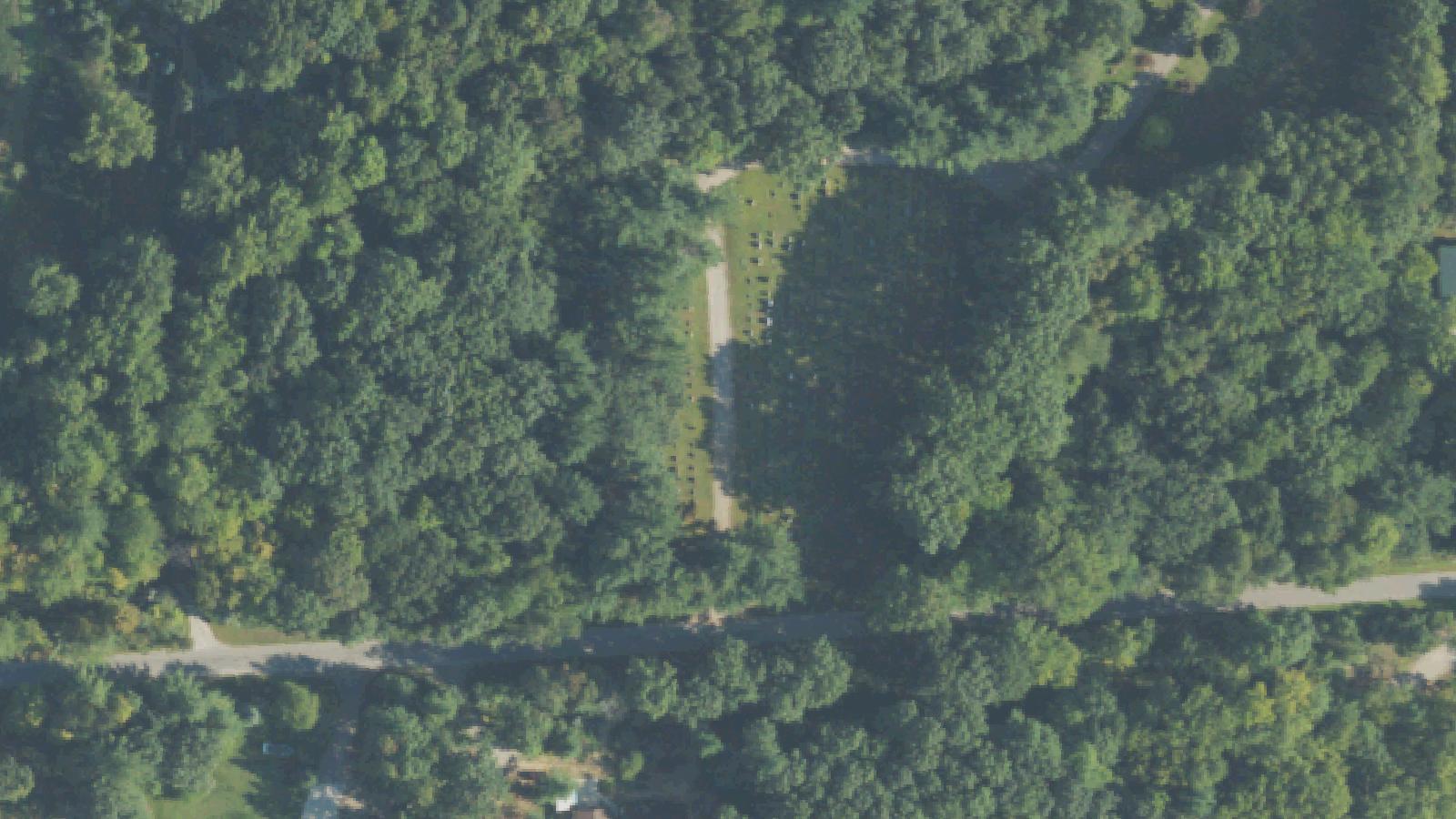
Cedar Lane Cemetery served as the primary official burial ground on the campus. Today roughly 2,000 iron numbered markers — small square posts, not named headstones — stand in rows memorializing patients. The numbers correspond to hospital records that would identify the dead, but the physical connection between marker and record was systematically severed: in the 1960s, prison groundskeeping inmates reportedly discarded thousands of numbered markers into the surrounding woods, effectively converting the cemetery into a mass unmarked grave for a large portion of its occupants.
Advocacy groups, researchers, and families of former patients have been working for years to re-identify the dead through hospital records, cross-referenced against the existing marker positions. An angel sculpture on the grounds serves as a collective memorial to those who died without names attached to their graves. The effort to restore individual identity to the buried remains ongoing.
Sources
- https://the-line-up.com/central-state-hospital-georgia
- https://roadtrippers.com/magazine/central-state-hospital-georgia/
General paranormal activity reported on broader Central State Hospital campusHistorical erasure: thousands of numbered markers discarded in 1960s
Cedar Lane Cemetery does not carry the kind of named-haunting legends common to sites where a single dramatic incident anchors the tradition. What it carries instead is the cumulative weight of institutional anonymity: an estimated 25,000 people died here, most of them poor, mentally ill, or both, and the system that held them then failed to preserve even a numbered marker for the majority of the dead.
The deliberate disposal of markers in the 1960s transformed an already somber site into something closer to a mass grave. For visitors who find that kind of historical erasure disturbing in its own right, Cedar Lane qualifies as one of the darker sites in Georgia without any paranormal claim being necessary.
Paranormal investigators have historically connected the broader Central State Hospital campus to reported activity — sounds, cold spots, and sensations in the abandoned ward buildings nearby — though Cedar Lane Cemetery itself is noted primarily as a site of historical reckoning rather than active haunting.