Drive-By
Exterior Visit to Candler Hall
View Candler Hall from Herty Drive as part of a UGA North Campus self-guided walk that includes Demosthenian Hall, Old College, Lustrat House, and the Jackson Street Cemetery.
- Duration:
- 15 min
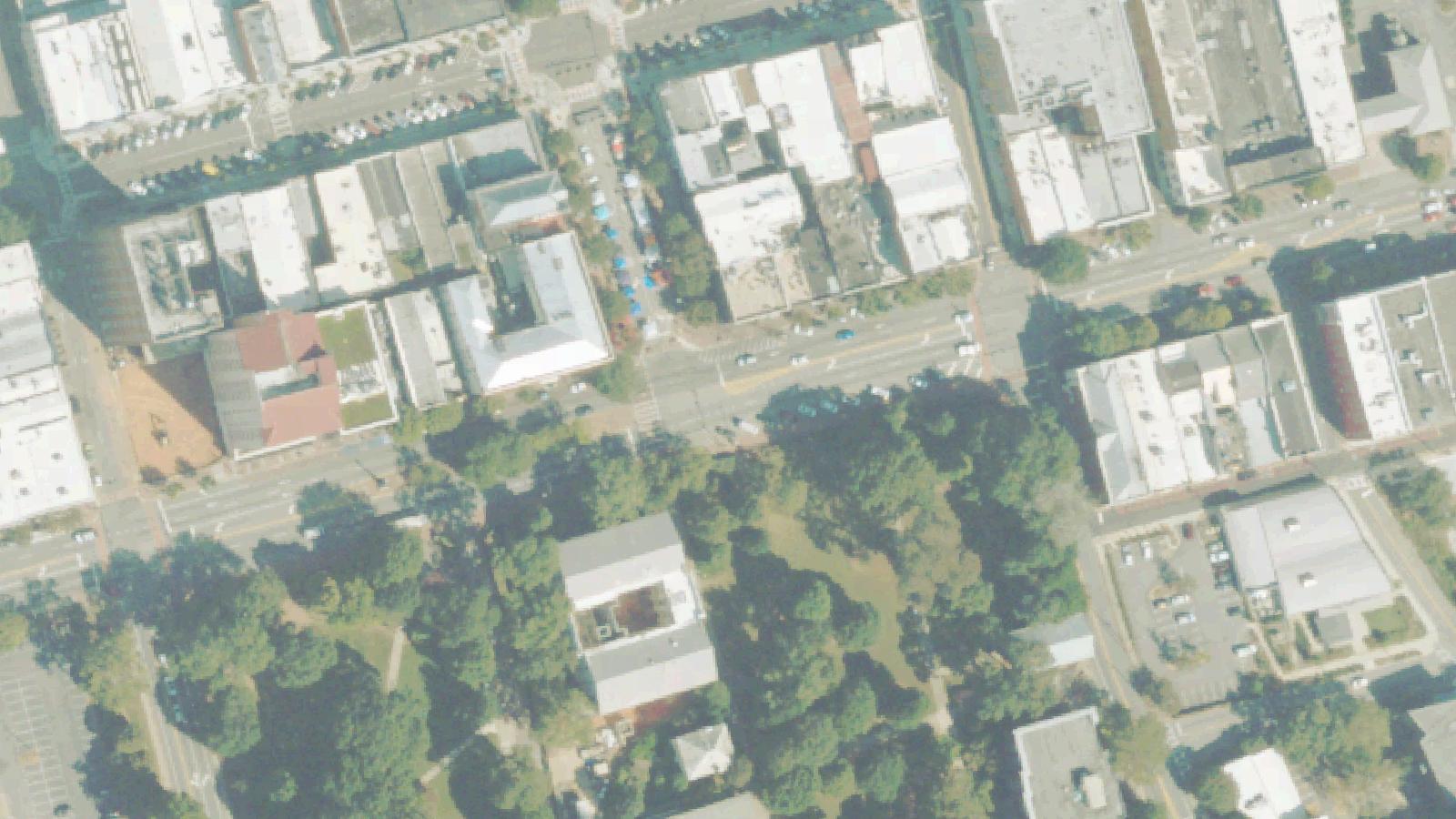 Aerial survey · USDA NAIP · public domain
1901 UGA building on North Campus said to be haunted by William Samuel 'Willie' Lloyd, a 23-year-old senior who accidentally shot himself in his dorm room in 1905.
202 Herty Drive, Athens, GA 30602
Research updated September 2026
Age
All Ages
Cost
Free
Free exterior viewing. Active UGA academic and administrative building; public interior access is limited.
Access
Wheelchair OK
Active classroom and office building on UGA's North Campus.
Equipment
Photos OK
Est. 1901 · Former UGA Men's Dormitory · Named for Governor Allen D. Candler · Site of Documented 1905 Accident
Candler Hall stands on Herty Drive on the University of Georgia's historic North Campus. The building was completed in 1901 and named for Allen D. Candler, who served as governor of Georgia from 1898 to 1902. At opening, the hall functioned as a men's residence and could house up to 84 students.
Over the 20th century the building was adapted for academic use; it currently houses departments and offices within UGA's School of Public and International Affairs (SPIA).
The building's most prominent historical episode is a tragic accident in 1905. According to the SPIA's published 'IA Building Ghost Story' and the Clio entry for Candler Hall, twenty-three-year-old senior William Samuel Lloyd of Fayetteville (often called 'Willie Sam' and sometimes spelled 'Loyd' in contemporary records) returned to his first-floor room after dinner with his roommate. While playfully spinning a loaded pistol on his finger, the pistol discharged, striking him in the lower abdomen. He died of his injuries; his body was returned to his family for burial.
Sources
According to UGA SPIA's official 'IA Building Ghost Story,' the UGA Libraries ghost-stories research guide, UGA Alumni's Haunted UGA roundup, and the building's Clio entry, ghost stories tied to Candler Hall have circulated since at least the 1920s. During its dormitory years, students reported waking suddenly in the middle of the night to the feeling of someone hovering over them.
Faculty in the modern academic period have reported hearing unusual noises as if someone is pacing on the wood floors of the upper levels. The building's elevator and automatic doors have reportedly opened and closed on their own. Some accounts add a dagger-wielding specter and an unseen figure who drags a chain up and down the staircases — variant traditions that may have grown out of original accounts.
Attribution centers on Willie Lloyd, the 1905 accident victim, although other Candler-era residents have occasionally been suggested. The lore is exceptionally well-documented at the institutional level — UGA SPIA published its own ghost-story explainer — and is one of the few UGA hauntings to combine a verified contemporary tragedy with a continuously documented modern witness inventory.
Notable Entities
View Candler Hall from Herty Drive as part of a UGA North Campus self-guided walk that includes Demosthenian Hall, Old College, Lustrat House, and the Jackson Street Cemetery.
Some links on this page may earn HauntBound a small commission when you book, at no extra cost to you. Our editorial picks are independent. Full disclosure
Every HauntBound history is researched from documented sources. We clearly separate verified historical fact from paranormal folklore.
Free Guide
11 verified stops, rated for families, mapped in order. Free.
One email to confirm, then the guide link. Unsubscribe anytime.
Athens, GA
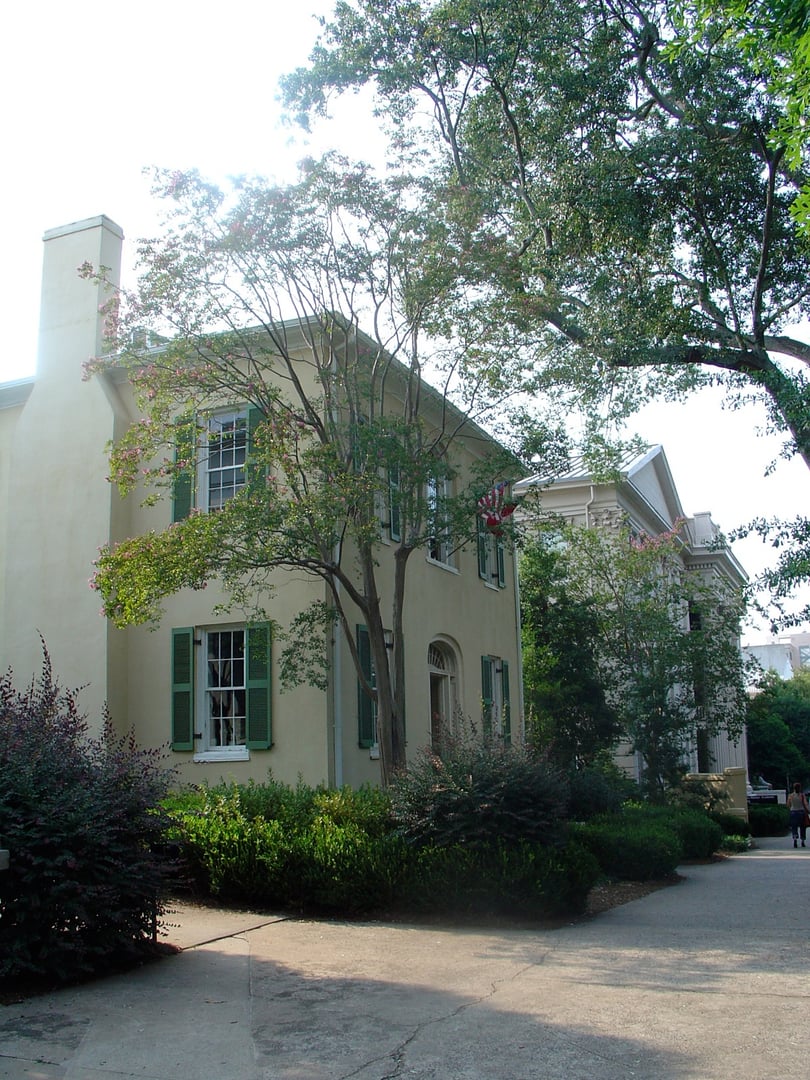
Demosthenian Hall, built in 1824, is the fourth-oldest building at the University of Georgia and is home to the Demosthenian Literary Society, founded in 1803 — the longest continuously running student organization in the country. The two-story tan stucco building served as headquarters for occupying Union troops during the Civil War.
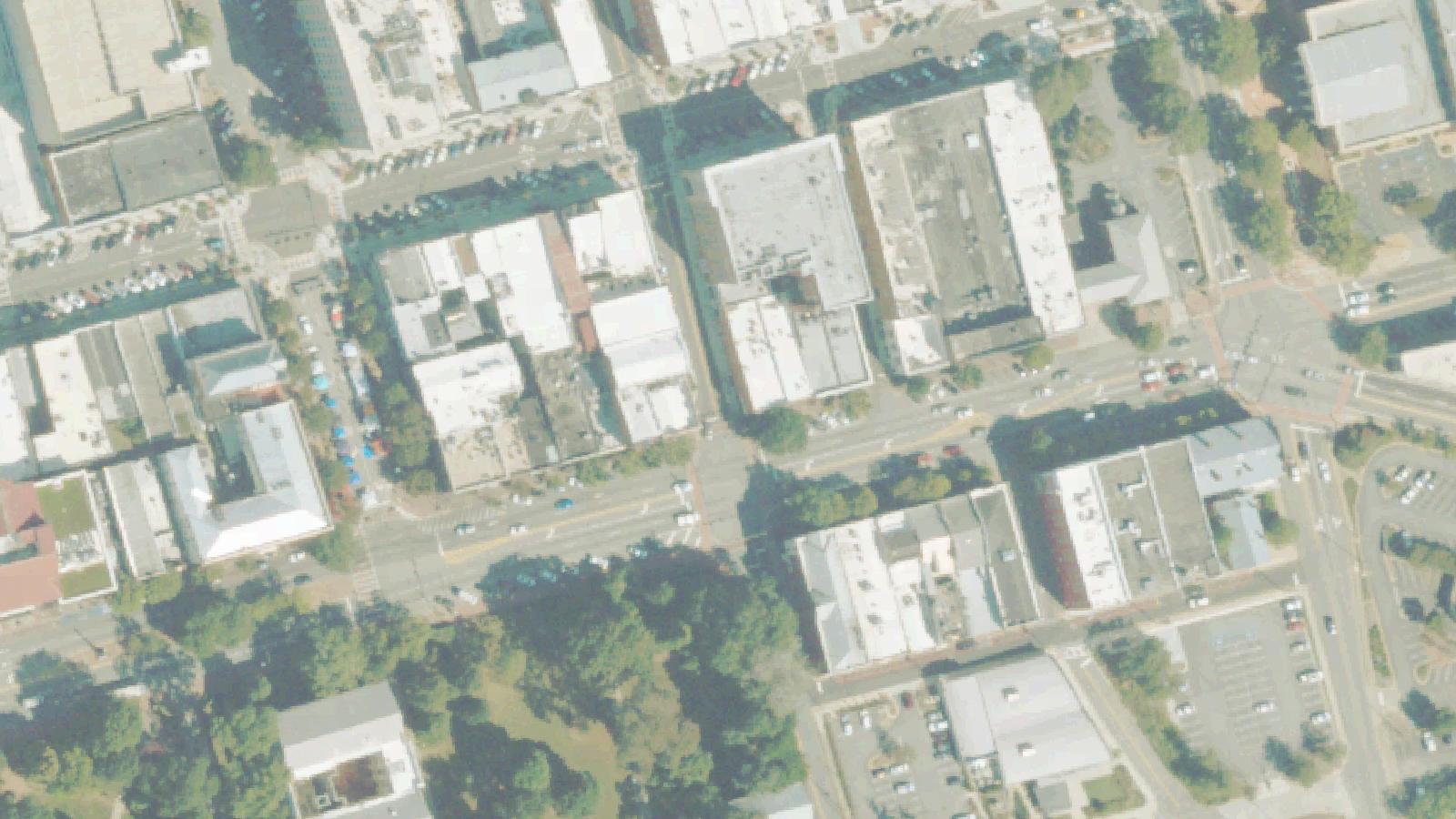 Aerial survey · USDA NAIP
Athens, GA
Waddel Hall is the second-oldest building on the UGA campus, completed in 1821. Originally a dormitory, it has served as a boarding house, gymnasium, snack bar, and scientific-equipment storage, and is currently the UGA Office of Special Events.
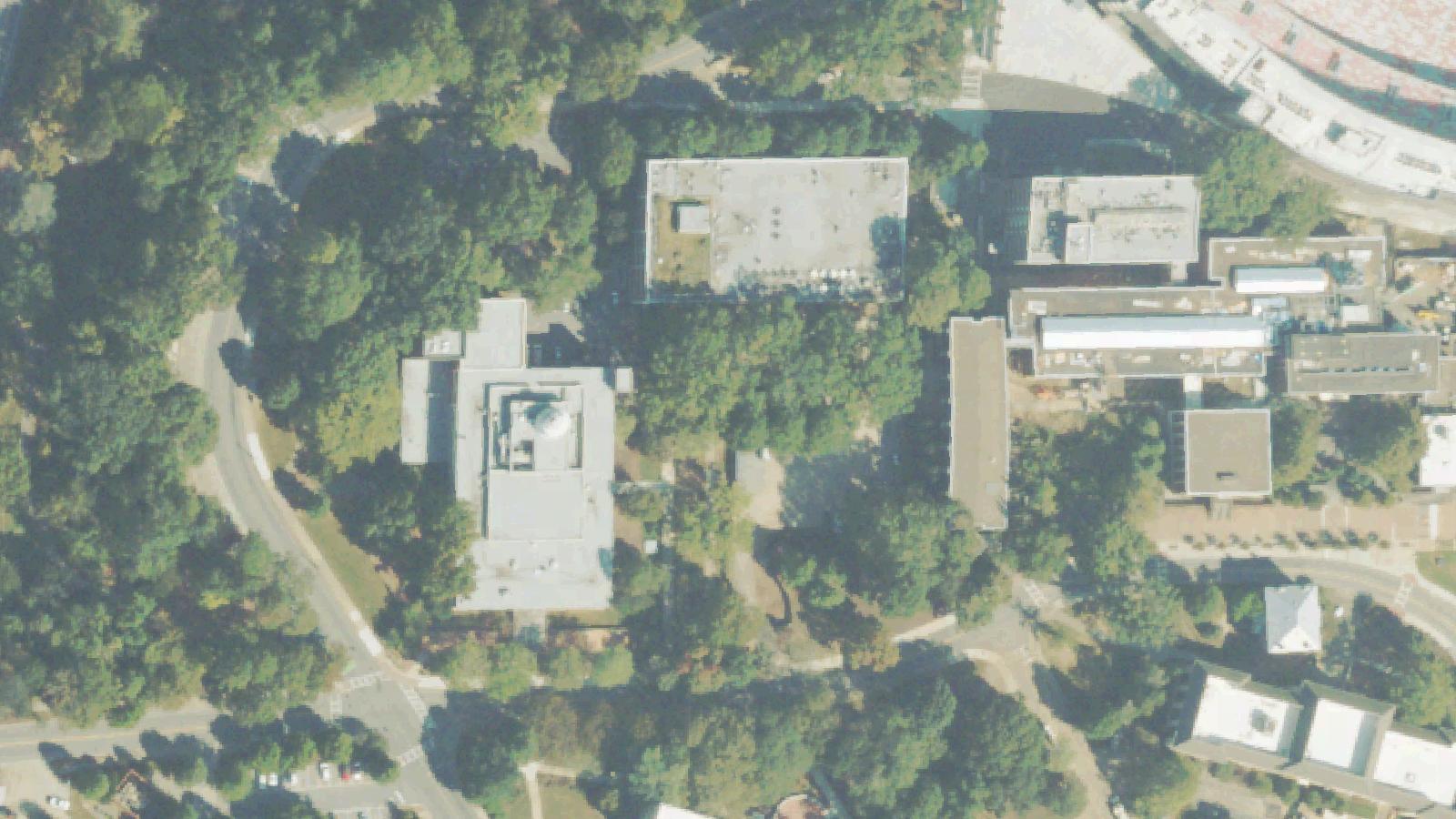 Aerial survey · USDA NAIP
Athens, GA
Joe Brown Hall, built in 1932, was originally a men's dormitory and is now an academic and administrative building at the University of Georgia. The hall is named for Joseph E. Brown, the 42nd governor of Georgia and a proponent of secession during the Civil War.