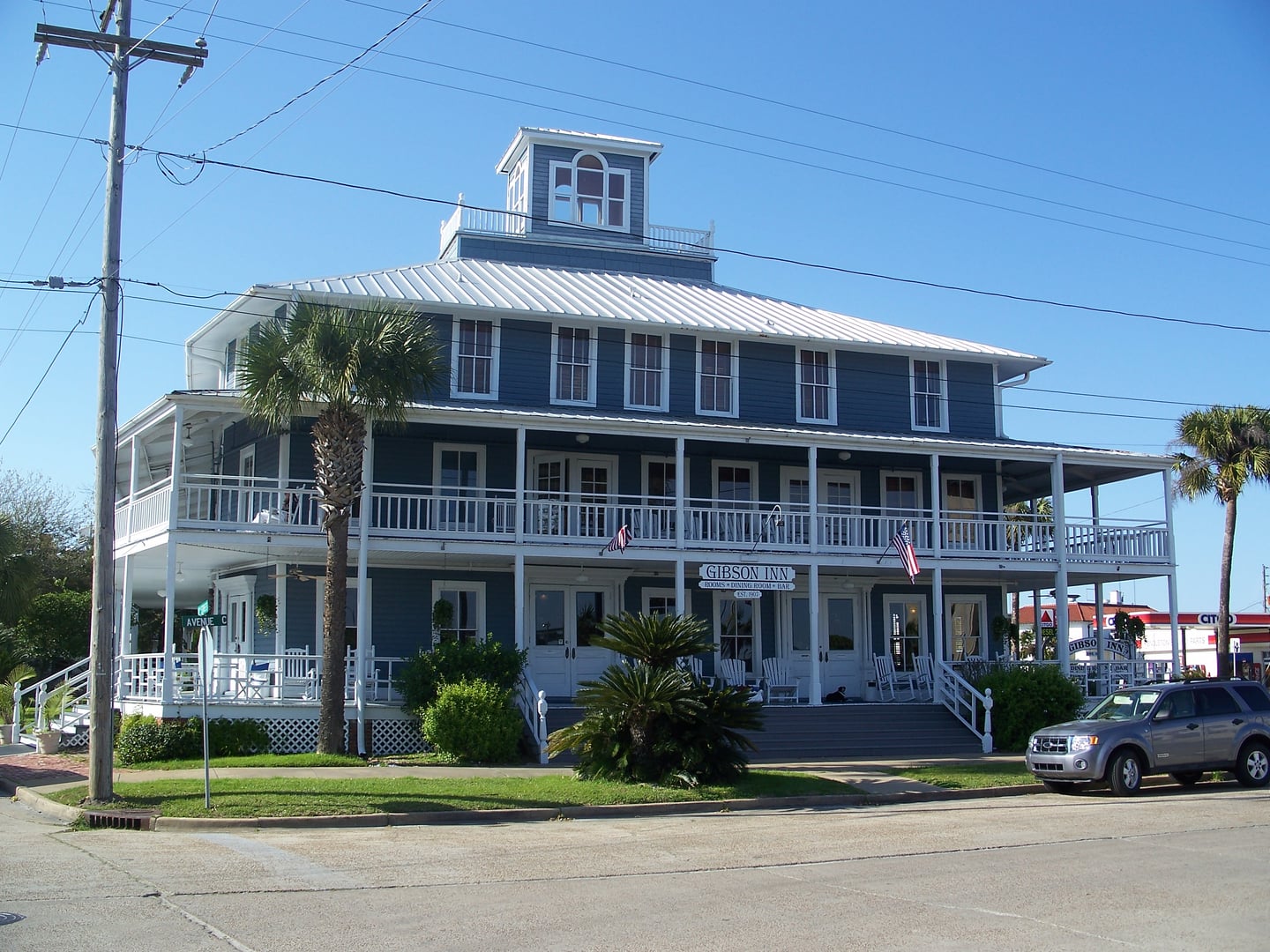
Est. 1885 · Victorian Era Architecture · St. Augustine National Historic Landmark District · Adjacent to Old City Gate and Castillo de San Marcos
St. George Street is one of the oldest continuously inhabited streets in the continental United States. The Spanish laid it out in the sixteenth century following the royal ordinance of 1573, which required streets in colonial towns to be planned in a grid pattern. By the time the Victorian frame structure now housing the St. George Inn was constructed in the mid-1880s, the street had already seen more than three centuries of occupation, colonial transitions, and the physical accumulation of the city's dead.
St. Augustine's burial history is both extensive and spatially compressed. The city's small footprint and long occupation mean that human remains have been documented beneath many properties in the historic core. Archaeological surveys have identified burial grounds associated with the colonial Spanish mission system, the British period (1763-1783), and various American territorial and statehood-era uses. The land beneath and adjacent to the inn is consistent with the broader pattern of burial ground distribution in this zone of the historic district.
The Victorian building itself dates from the period when St. Augustine experienced significant development under the influence of Henry Flagler, whose Standard Oil fortune funded the construction of the Ponce de Leon and Alcazar hotels nearby and spurred broader real estate investment in the city. The St. George Inn building is a frame residence of that era, later converted and expanded into a 35-room boutique hotel comprising six interconnected buildings around two courtyard spaces.
The inn has operated for over 20 years in its current form. It sits approximately two minutes' walk from the Castillo de San Marcos and directly across from the Old City Gate.
Sources
- https://www.stgeorge-inn.com/
- https://www.twogeekstravel.com/haunted-hotels-st-augustine/
- https://floridatrippers.com/haunted-hotels-in-saint-augustine/
Woman in White at windowsCold spotsDisembodied voicesFull-body apparitions
The St. George Inn sits at the intersection of two conditions that produce concentrated paranormal reports in St. Augustine: documented underlying burial grounds and proximity to the city's most historically active zone, the Spanish colonial gate and fortification complex.
The primary reported apparition is a Woman in White seen looking from the inn's windows after dark. Witnesses describe the figure as standing at the glass with an ethereal quality — visible from the street or courtyard and then absent when approached or when a viewer returns. The figure's identity is not established in any documented account; she is known only by her appearance and the window she favors.
The burial ground beneath the property provides the framework in which locals interpret the activity. St. Augustine's historic core sits atop layers of human occupation spanning more than four centuries. Construction and renovation work throughout the district has periodically uncovered human remains, and the St. George Inn's two courtyards sit in a section of the street corridor where multiple burial events are historically documented in the wider district.
Guests have reported cold spots in specific rooms and hallways, disembodied voices heard when adjacent spaces are empty, and full-body apparitions that appear and disappear without warning. The inn does not formally market these reports but acknowledges the location's place within St. Augustine's broader haunted hotel landscape.
Notable Entities
The Woman in White
Where this legend is told