Guided Tour Booking Required
Amelia Island Ghost Tour
A guided evening walking tour run by the Amelia Island Museum of History through the haunted blocks of the historic district, including the old jail and other landmarks.
- Duration:
- 1 hr
HauntBound archive · catalog record
Reported phenomena, as catalogued
Housed in the former Nassau County Jail in downtown Fernandina Beach, this history museum runs a weekly ghost tour of the district and is the focus of pirate-era hauntings, including a much-repeated but historically unverified legend of a hanged son of privateer Louis Aury.
233 S 3rd St, Fernandina Beach, FL 32034
Research updated June 2026
Age
All Ages
Cost
$$
General museum admission applies; the guided ghost tour is a separately ticketed program.
Access
Wheelchair OK
Downtown historic building and walking tour over paved streets and sidewalks.
Equipment
Photos OK
Est. 1878 · Housed in the former Nassau County Jail in the Fernandina Beach historic district · Florida's first 'spoken history' museum; interprets 4,000+ years and the island's 'eight flags' era · Tied to Amelia Island's 1817 privateer history under Louis-Michel Aury
Fernandina Beach, on Amelia Island at Florida's northeastern tip, is famous for having flown eight different national flags over its long history — a reflection of the island's strategic harbor and turbulent past. In 1817 the island briefly became a haven for privateers, most notably the French-born Louis-Michel Aury, who seized Fernandina and raised a Mexican-republican flag over Fort San Carlos before surrendering to American forces at the end of that year.
The Amelia Island Museum of History is housed in the old Nassau County Jail building in the downtown historic district at 233 South 3rd Street. The brick jailhouse served the county for decades before being converted into a museum. Today the institution bills itself as Florida's first 'spoken history' museum, emphasizing docent-led storytelling, and its exhibits trace local history across more than four millennia — from the Timucua people through the colonial 'eight flags' era, the shrimping industry, and the Gilded Age boom of the surrounding historic district.
The museum operates as an active heritage organization, hosting changing exhibits, a 'Lunch and Learn' lecture series, and a popular slate of guided walking tours. Among these is a weekly evening ghost tour that leads visitors through roughly fourteen blocks of the historic district, weaving together the documented and the legendary aspects of Fernandina's past.
The jail building's prior life as a place of confinement, combined with the island's blood-soaked pirate lore, has made it a centerpiece of Amelia Island's dark-tourism identity. The museum is widely recognized as one of the area's principal cultural attractions and a steward of Nassau County's history.
Sources
The most widely repeated legend attached to the old Nassau County Jail concerns a figure called 'Luc Simone Aury,' said to be the illegitimate son of the privateer Louis Aury and a notorious criminal. According to the story — repeated on the official Amelia Island tourism site and various ghost-lore pages — he attempted to cheat the gallows by slitting his own throat the night before his execution, was stitched up by a surgeon to keep him alive, and was hanged the next day, the stitches tearing open and drenching the crowd in blood. His ghost is said to be heard moaning where the gallows once stood, occasionally appearing with a gaping wound across his neck.
This legend should be read with strong caution. The historical Louis-Michel Aury (1788-1821) controlled Amelia Island only briefly in 1817, surrendered to American forces that December, and died in 1821 on Old Providence Island after a fall from his horse; the documented record names a sister, Victoire, as his heir but no son. There is no credible historical evidence for a 'Luc Simone Aury,' for such a son being hanged at Fernandina, or for the gruesome execution scene — and the jail building itself postdates Aury's 1817 occupation by decades, making the on-site gallows tale anachronistic. Even sources that retell the story present it explicitly as legend ('according to locals'). HauntBound treats the hanged-son narrative as unverified folklore rather than fact.
What is genuinely established is that the old jail and the surrounding district anchor an active, museum-run ghost tour and a long-standing dark-tourism tradition built on Amelia Island's pirate, Civil War, and Gilded Age history. Visitors interested in the lore are best served by the museum's guided tour, where the documented history and the legends are presented side by side.
Notable Entities
A guided evening walking tour run by the Amelia Island Museum of History through the haunted blocks of the historic district, including the old jail and other landmarks.
Tour the Amelia Island Museum of History inside the former Nassau County Jail, exploring 4,000+ years of local and pirate-era history.
Some links on this page may earn HauntBound a small commission when you book, at no extra cost to you. Our editorial picks are independent. Full disclosure
Every HauntBound history is researched from documented sources. We clearly separate verified historical fact from paranormal folklore.
Free Guide
11 verified stops, rated for families, mapped in order. Free.
One email to confirm, then the guide link. Unsubscribe anytime.
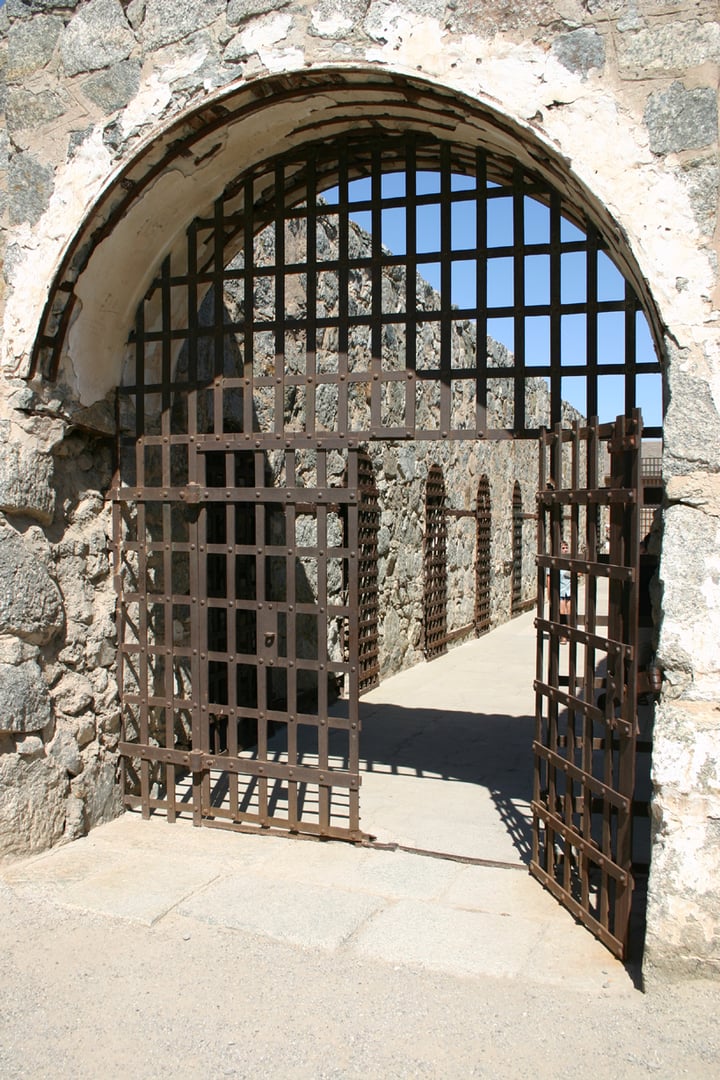
Yuma, AZ
Yuma Territorial Prison operated from 1876 to 1909 on a bluff overlooking the Colorado River in Yuma, Arizona. It held 3,069 prisoners during its 33-year operation, including 29 women. The facility became a state historic park and has been voted by USA Today readers as the Best Haunted Destination in the nation.
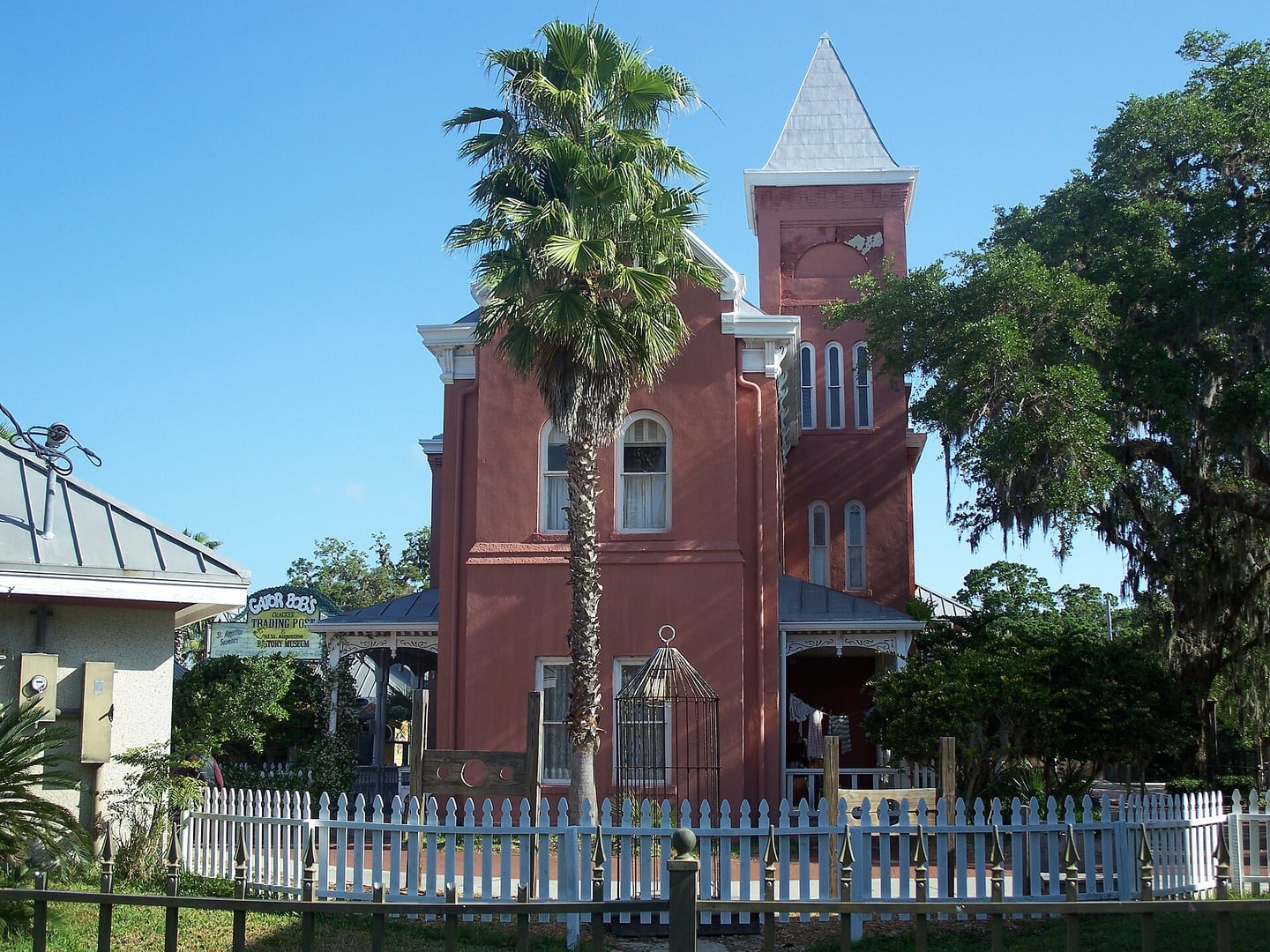
St. Augustine, FL
The Old St. Johns County Jail at 167 San Marco Avenue in St. Augustine, Florida was commissioned by railroad magnate Henry Flagler and constructed in 1891. Designed by the same architectural firm later used for Alcatraz, the facility housed prisoners under conditions so severe — one bucket per cell as a toilet, minimal diet, and labor in Flagler's fields — that it was closed in 1953. Eight documented executions occurred on site before the county converted the building to a tourist attraction in 1954.
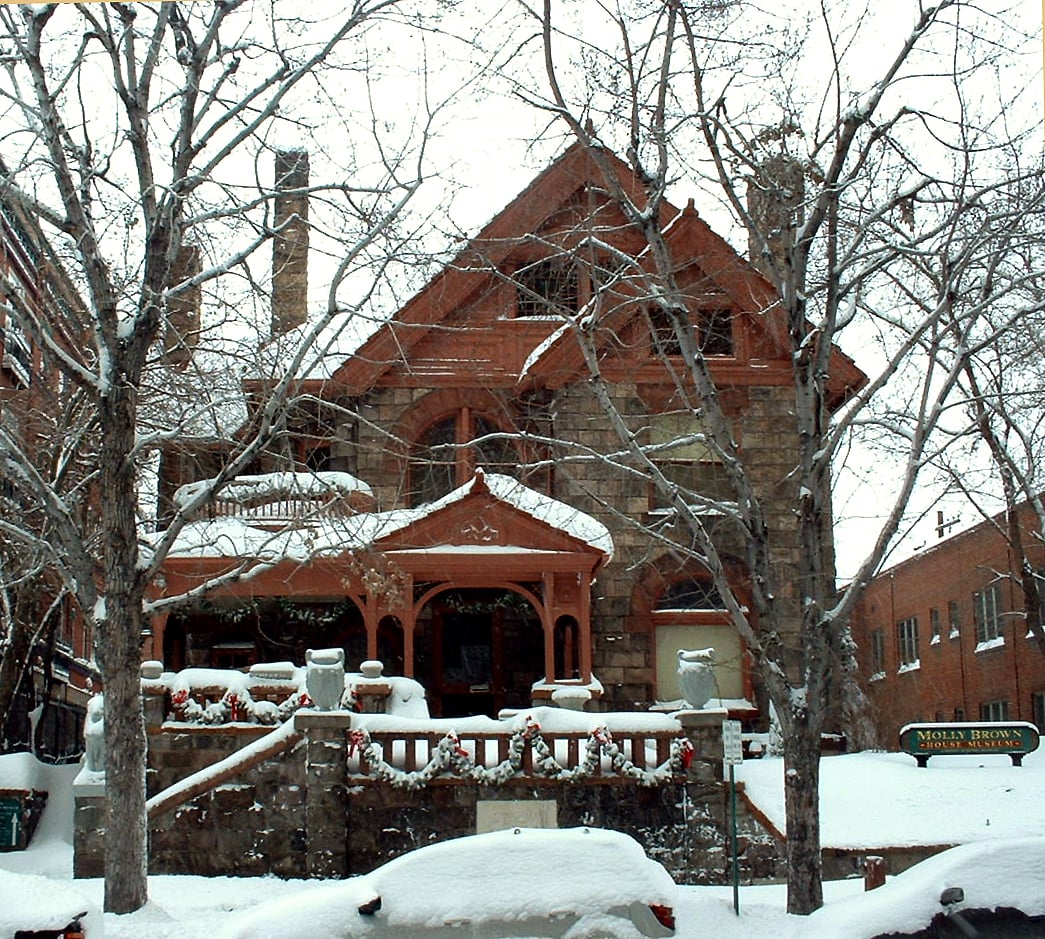
Denver, CO
The Molly Brown House in Denver was the home of philanthropist and Titanic survivor Margaret Brown from 1894 until her death in 1932. Designed by architect William A. Lang in 1889 in a mixed Queen Anne and Richardsonian Romanesque style, the house has operated as a museum under Historic Denver Inc. since 1971 after a public campaign saved it from demolition.