Est. 1884 · National Register of Historic Places · Romanesque Revival Architecture · Town Hall and Performance Venue
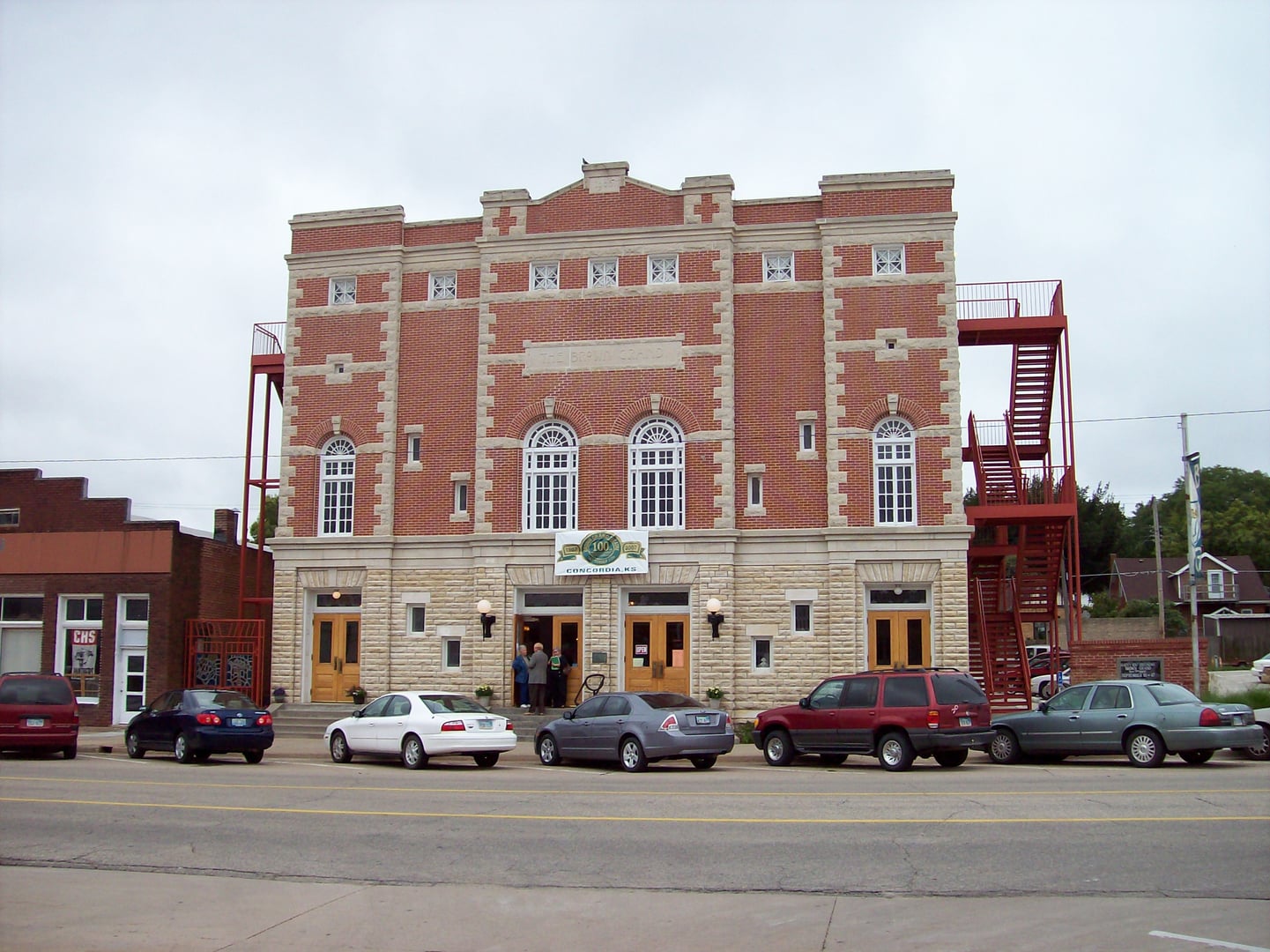
The Thomaston Opera House was constructed between 1883 and 1885 as part of a combined town hall and performance venue, a common municipal arrangement in late nineteenth-century New England. The brick exterior is a regional example of Romanesque Revival, with rounded arches over the main entry and heavy masonry detailing. The auditorium occupies the upper floors above ground-level municipal offices.
The building was added to the National Register of Historic Places in 1972 and has undergone successive restoration efforts. In recent years, EverGreene Architectural Arts has documented and conserved decorative finishes inside the auditorium. The Friends of the Thomaston Opera House and Landmark Community Theatre operate programming, including five mainstage productions per year, a youth theatre education program, dance presentations, concerts, a classical piano series, and a children's theatre series.
Local historical accounts and a long-tenured staff usher cited in regional reporting hold that the 1884 structure was built over land that previously held burials. The basement reportedly still includes markers indicating the former locations of those graves. The Old Fire Station next door, mentioned in earlier paranormal reports, was renovated and converted into a teen center called "The Place" in the mid-2000s.
Sources
- https://en.wikipedia.org/wiki/Thomaston_Opera_House
- https://www.thomastonct.org/culture-recreation/thomaston-opera-house
- https://homeandartmagazine.com/thomaston-opera-house/
- https://www.artsnwct.org/preserving-history-the-restoration-of-thomaston-opera-house
Phantom voicesPhantom footstepsEVPResidual hauntingCold spots
The most consistent account associated with the Thomaston Opera House is the sense of being watched while alone in the auditorium. A long-tenured usher, with more than 23 years on staff and quoted in regional press, has stated plainly that the building is haunted and that staff and performers describe the same lingering presence when the house is empty.
The explanation offered most often is architectural rather than narrative. Local historical accounts hold that the 1884 building was constructed over a local burial site, with original grave locations marked or visible in the basement. The phenomena reported are correspondingly residual: footsteps, voices in unoccupied rows, and the occasional sense of motion at the periphery of vision rather than dramatic interactive activity.
Groups including Obsidian Paranormal and the Northeast Paranormal Investigations Society have documented investigations at the venue. Reported findings include unexplained noises and disembodied voices captured on EVP recordings.
A fire damaged the theater earlier in its history, and one strand of local folklore associates the haunting with people who may have died in that event. Independent corroboration of fatalities tied to the fire was not found in the sources reviewed, so this line of speculation should be treated as folklore rather than verified history.