Est. 1861 · Gothic Revival civic architecture · Seat of New Haven city government since 1861 · Faces the historic New Haven Green
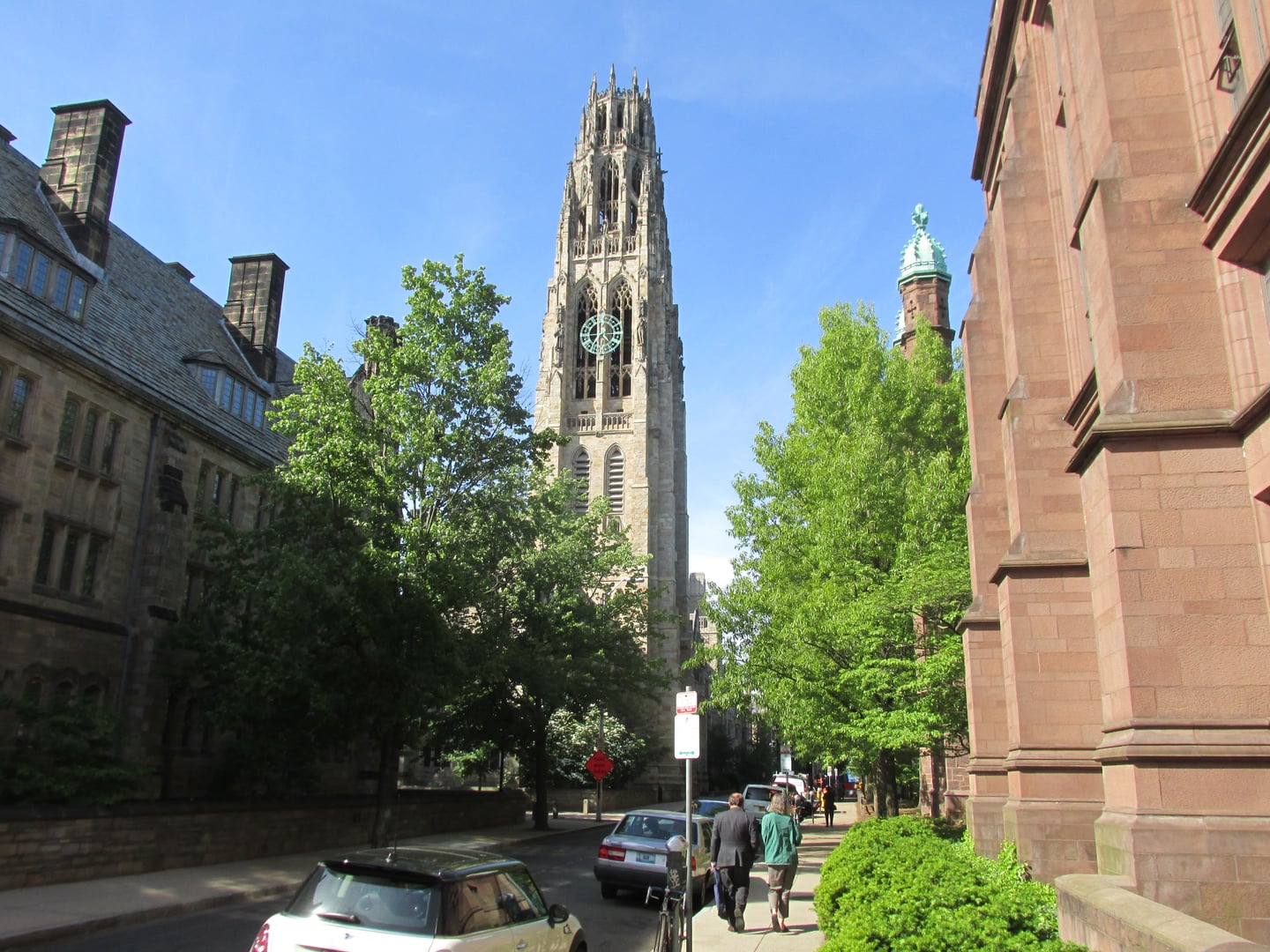
New Haven City Hall was built in the Gothic Revival style and completed in 1861, occupying a prominent site on Church Street across from the New Haven Green, the city's historic commons. Its pointed-arch facade and polychrome stonework made it a statement of municipal ambition during a period when American cities increasingly used Gothic forms for public buildings to signal civic seriousness and permanence.
The building has served continuously as the center of New Haven's city government. It is a working municipal facility, housing offices and council chambers, and faces one of the oldest planned public greens in the country. Its longevity on the same site, through fires, renovations, and expansions over more than a century and a half, has made it a fixed point in the downtown streetscape.
As a long-lived seat of local government in a city with a deep colonial and Revolutionary past, City Hall accumulates the kind of institutional memory that draws ghost-tour attention. The documented record concerns its architecture and civic role; the haunted material attached to it belongs to tour tradition rather than to the building's official history.
Sources
- https://www.newhavenct.gov/
- https://ctvisit.com/listings/new-haven-hauntings-nightmare-necromancy-ghost-tour
Apparitions (tour lore)Sense of presenceResidual activity
On New Haven's downtown ghost-walk route, City Hall is presented as one of the most haunted buildings in the city. Tour operators relay accounts attributed to building guards: a faint, ethereal sense of a late-night gathering in empty halls, and a lingering presence tied in the tour narrative to a death said to have occurred in the building. The story trades on the contrast between the Gothic facade and the everyday municipal work that goes on inside.
The account is not corroborated outside the ghost-tour material. The death the tour references is undocumented in the public record, and the guard testimony is conveyed secondhand through the tour rather than attributed to a named, verifiable source. No independent confirmation of the haunting surfaced during research, and out of respect for any real person, this entry repeats no name, cause of death, or specific incident that the record does not support.
The building's verified history as a working seat of government is solid; the haunting is downtown tour lore still awaiting corroboration.
Where this legend is told