Est. 1927 · Captain William Kidd 1699 Visit · Paugusset Indigenous History · Dominican Aquinas Retreat 1929-1938 · Connecticut Cursed Island Lore · Silver Sands State Park Natural Area Preserve
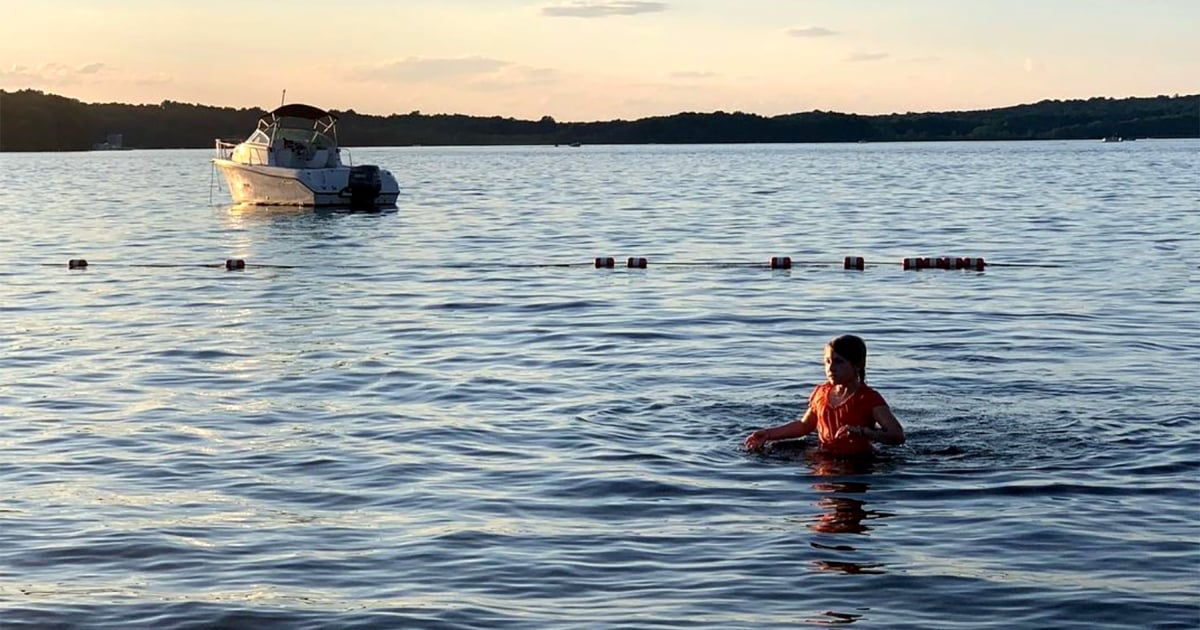
Charles Island is a 14-acre tidal island in western Long Island Sound, accessible from Silver Sands State Beach in Milford only when a sandbar exposes twice daily at low tide. Its recorded history is a succession of occupations that ended badly.
The island was known as Poquehaug to the Paugusset, the Indigenous people of the lower Housatonic Valley. European settlers acquired it in 1639 under circumstances the Paugusset considered a grievance. The Paugusset chief pronounced that any shelter built on the island would crumble and those who built it would be cursed. Local historical accounts record different details of the underlying dispute. In 1657, Charles Deal purchased the island, and it has borne his first name ever since.
In 1699, Captain William Kidd sailed into Long Island Sound on his last voyage before sailing into a trap that led to his arrest, trial in London, and execution for piracy. Kidd maintained until his death that he had been operating as a privateer rather than a pirate. The WPA History of Milford documents his stop at the island en route to Boston. Treasure hunters have searched the island for buried chests since the 18th century. Whether Kidd actually buried anything is unverified; the folklore has outlasted whatever he did or did not leave behind.
A third curse, attached to Aztec treasure that Connecticut sailors are said to have brought ashore in 1721, is repeated in several aggregated accounts but has no primary-source documentation.
Construction of a Dominican retreat began in 1927. On Easter Saturday, March 30, 1929, six construction workers drowned while working on the project — an early calamity commemorated by a flagpole on the grounds. The Aquinas Retreat opened in July of that year with a chapel, small cabins, a central dining hall, and shrines arrayed along the island's trails. It operated briefly. The retreat closed in the late 1930s and the property went up for sale in 1938. The ruins of the chapel's foundation and part of the bell tower remain, eroding into Long Island Sound.
In the 1950s, an attempt to open a seaside restaurant and lodge ended in a fire of undetermined origin. A crumbling brick wall is what remains. Since then, no development has succeeded. Connecticut acquired the island, incorporated it into Silver Sands State Park, and now manages it as a Natural Area Preserve. The heron and egret colonies that nest there force closure of the crossing from May 1 through September 9 every year.
Sources
- https://www.atlasobscura.com/places/cursed-charles-island
- https://www.damnedct.com/charles-island-milford/
- https://yankeeinstitute.org/2023/08/05/charles-island-the-cursed-ct-landmark/
- https://ctparks.com/parks/silver-sands-state-park
ApparitionsDisembodied laughterPhantom soundsPhantom voicesResidual hauntingShadow figures
The 1850 treasure-seekers are the canonical Charles Island story. Two men located what they believed to be Captain Kidd's cache. What happened next is described in multiple historical accounts: they fled the island screaming, reporting 'a screeching, flaming skeleton descending from the sky.' Both men spent the remainder of their lives in psychiatric care. The treasure — if it existed — was not removed.
The monastery ruins are where contemporary visitors most frequently report phenomena. Phantom monks have been described moving in procession through the Dominican retreat's crumbled structure — a visual account specific enough to suggest a residual pattern rather than a generic sense of unease. The monks do not interact with observers. They move through what remains of their cloister as if it were intact.
The old restaurant site, toward the island's southern end near the 1950s brick wall ruin, generates a different kind of account: jazz music, sometimes specific enough to identify as a tune, audible in the vicinity of where the dance floor would have been. No source has been located.
The Indigenous ceremony accounts — nighttime gatherings with fire and movement that appear and then cease — connect back to the island's pre-colonial history and the first curse. Whether these represent residual phenomena, wishful folklore imposed on the Paugusset history, or something else is a question the accounts leave open.
Atlas Obscura's documentation of the island notes simply: 'Don't build, and DON'T DIG.' The island's entire history can be read as a record of what happens when people do.
Notable Entities
The Phantom MonksCaptain William Kidd's Sentinel