Self-Guided Visit
Historic Cemetery Walk
Walk among the graves of Pueblo's earliest settlers, business leaders, and Civil War veterans in the city's oldest burial ground.
- Duration:
- 45 min
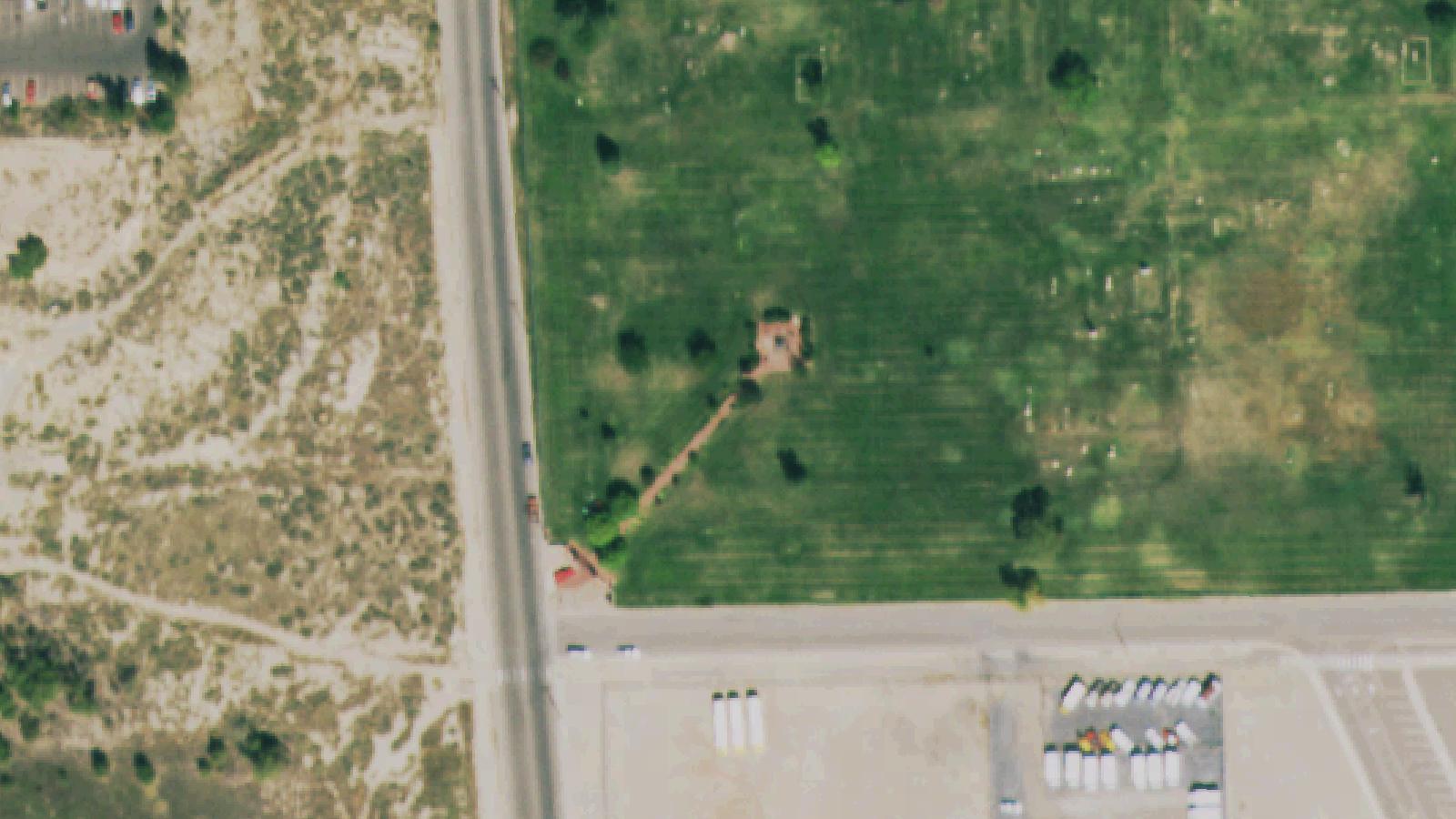 Aerial survey · USDA NAIP · public domain
Pueblo's oldest cemetery, established in 1870 and holding the graves of early settlers and Civil War veterans, with a local reputation for cold spots, dread, and a drifting black mist.
Pioneer Cemetery, off East 4th Street area, Pueblo, CO 81001
Research updated May 2026
Age
All Ages
Cost
Free
No admission; a public historic cemetery.
Access
Limited Access
Open, uneven historic cemetery grounds with grass and older grave markers.
Equipment
Photos OK
Est. 1870 · Oldest cemetery in Pueblo, established 1870 · Burial place of early pioneers, civic leaders, and Civil War veterans · Includes a dedicated Soldiers and Sailors veterans section
Pioneer Cemetery is the oldest cemetery in Pueblo, Colorado, established in 1870 as the young city took shape along the Arkansas River. The land was purchased from the United States government that year by Mahlon Thatcher, one of Pueblo's prominent early businessmen and bankers.
Over the following decades the cemetery became the resting place of many of Pueblo's founding generation — pioneers, merchants, civic leaders, and Civil War veterans. The city designated the northeast corner as a Soldiers and Sailors Section reserved for veterans and their wives or widows. The grounds contain graves dating from the late 1800s and early 1900s, with some more recent interments as well.
As the oldest burial ground in a city that grew rapidly during Colorado's mining and railroad boom, Pioneer Cemetery is a significant record of Pueblo's settlement history. Genealogical resources including Find a Grave and BillionGraves document thousands of interments at the site. The cemetery remains a public historic property.
Sources
As Pueblo's oldest burial ground, Pioneer Cemetery has accumulated a reputation among local ghost-hunting circles. According to user-submitted paranormal reports and folklore aggregators, visitors describe noticeable cold spots and sudden temperature changes, an intense feeling of dread, unexplained foul odors, and — most distinctively — a visible black mist that moves among the older graves.
The haunted reputation of Pioneer Cemetery has been independently documented by the Pueblo Chieftain, Pueblo's local newspaper. In a feature on Pueblo's haunted places, cemetery association president Joe Talbott confirmed that he has heard persistent rumors of hauntings and apparitions and noted that a paranormal research group investigated the site and 'apparently found evidence' (Pueblo Chieftain via chieftain.com). A documented paranormal investigation of the cemetery is also the subject of a public video. These independent accounts corroborate the tradition and move the legend beyond a single-source submission.
Media Appearances
Where this legend is told
Walk among the graves of Pueblo's earliest settlers, business leaders, and Civil War veterans in the city's oldest burial ground.
Some links on this page may earn HauntBound a small commission when you book, at no extra cost to you. Our editorial picks are independent. Full disclosure
Every HauntBound history is researched from documented sources. We clearly separate verified historical fact from paranormal folklore.
Free Guide
11 verified stops, rated for families, mapped in order. Free.
One email to confirm, then the guide link. Unsubscribe anytime.
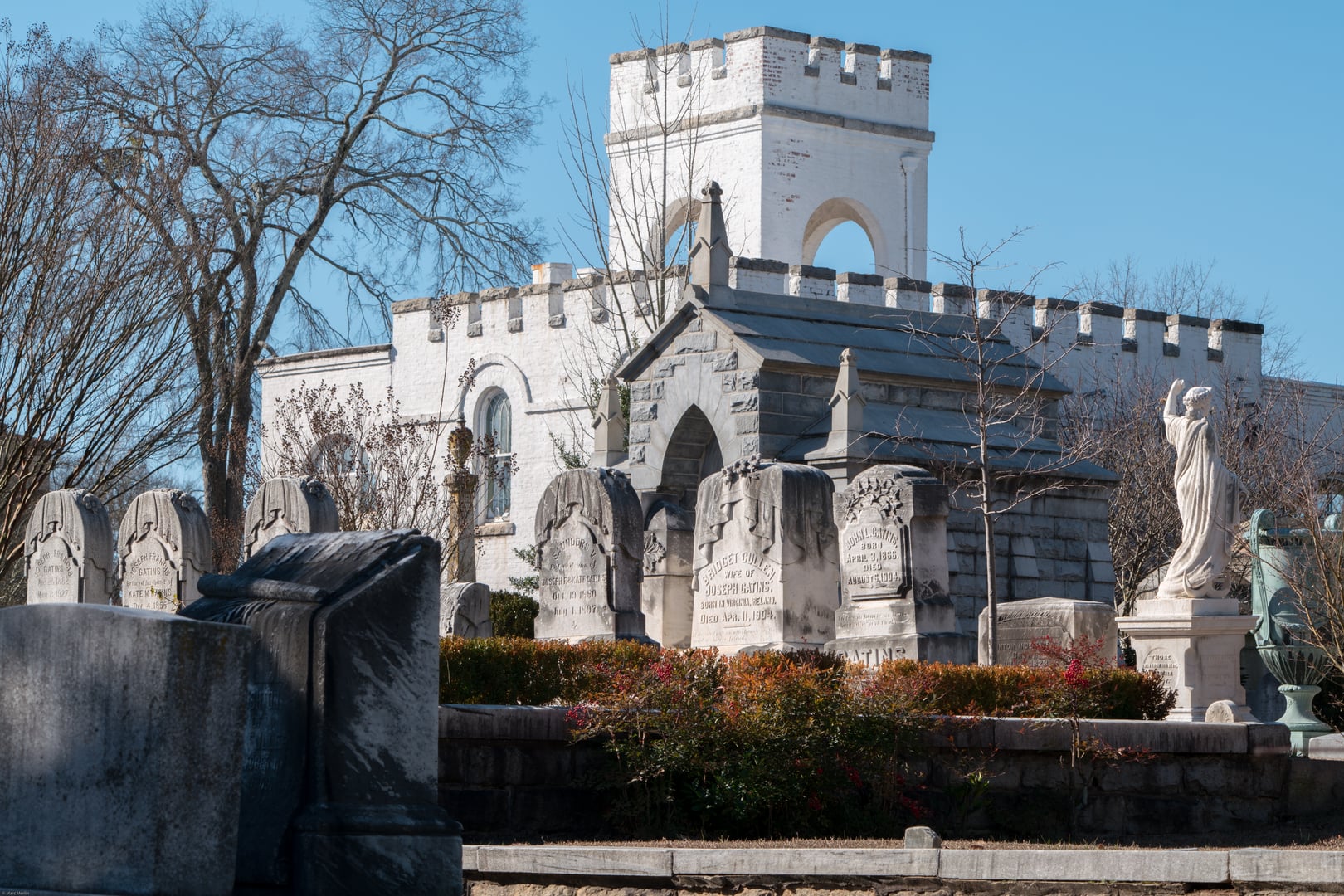
Atlanta, GA
Historic Oakland Cemetery was chartered in 1850 as the six-acre 'Atlanta Cemetery,' renamed Oakland in 1872, and expanded to 48 acres. Approximately 70,000 people are interred, including roughly 6,900 Confederate soldiers (3,000 unidentified), four Confederate generals, six Georgia governors, 27 Atlanta mayors, Margaret Mitchell, golfer Bobby Jones, and Maynard Jackson, Atlanta's first African American mayor. The cemetery was listed on the National Register of Historic Places on April 28, 1976.
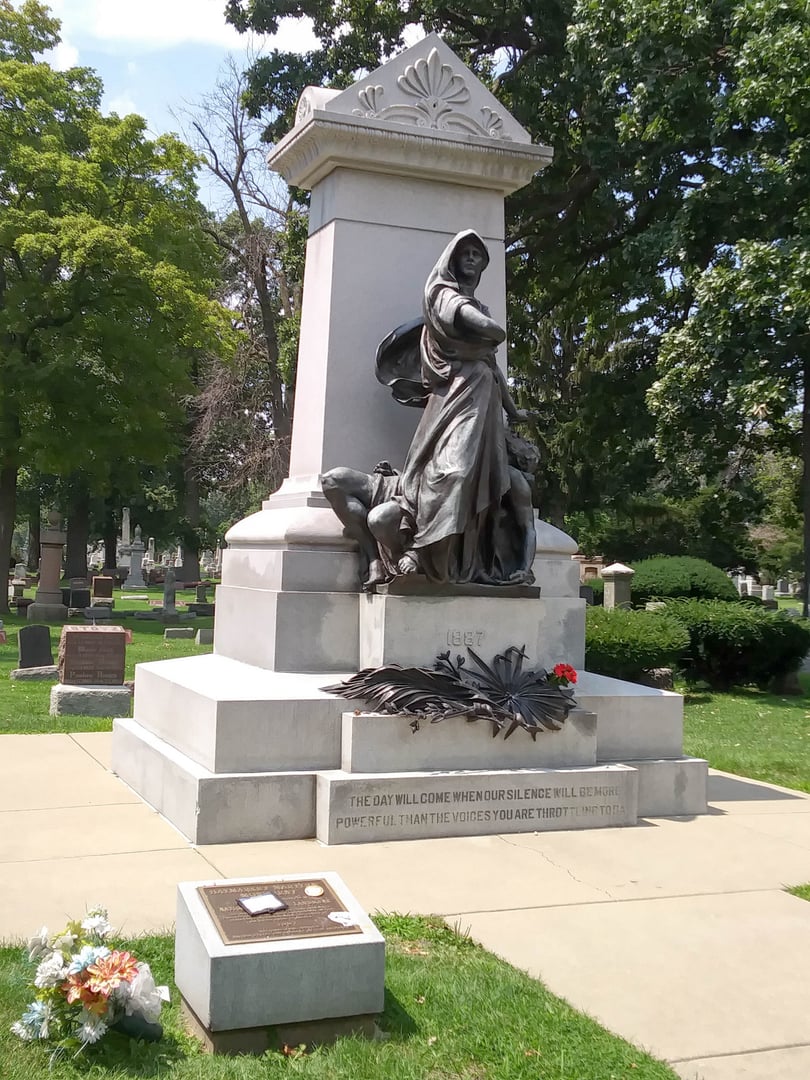
Forest Park, IL
Forest Home Cemetery in Forest Park, Illinois, grew from two adjacent cemeteries — German Waldheim (established 1873) and Forest Home (1876) — which merged in February 1969. The 220-acre site was chosen as a non-denominational burial ground, a policy that made it the only Chicago-area cemetery willing to accept the bodies of the Haymarket defendants in 1887.
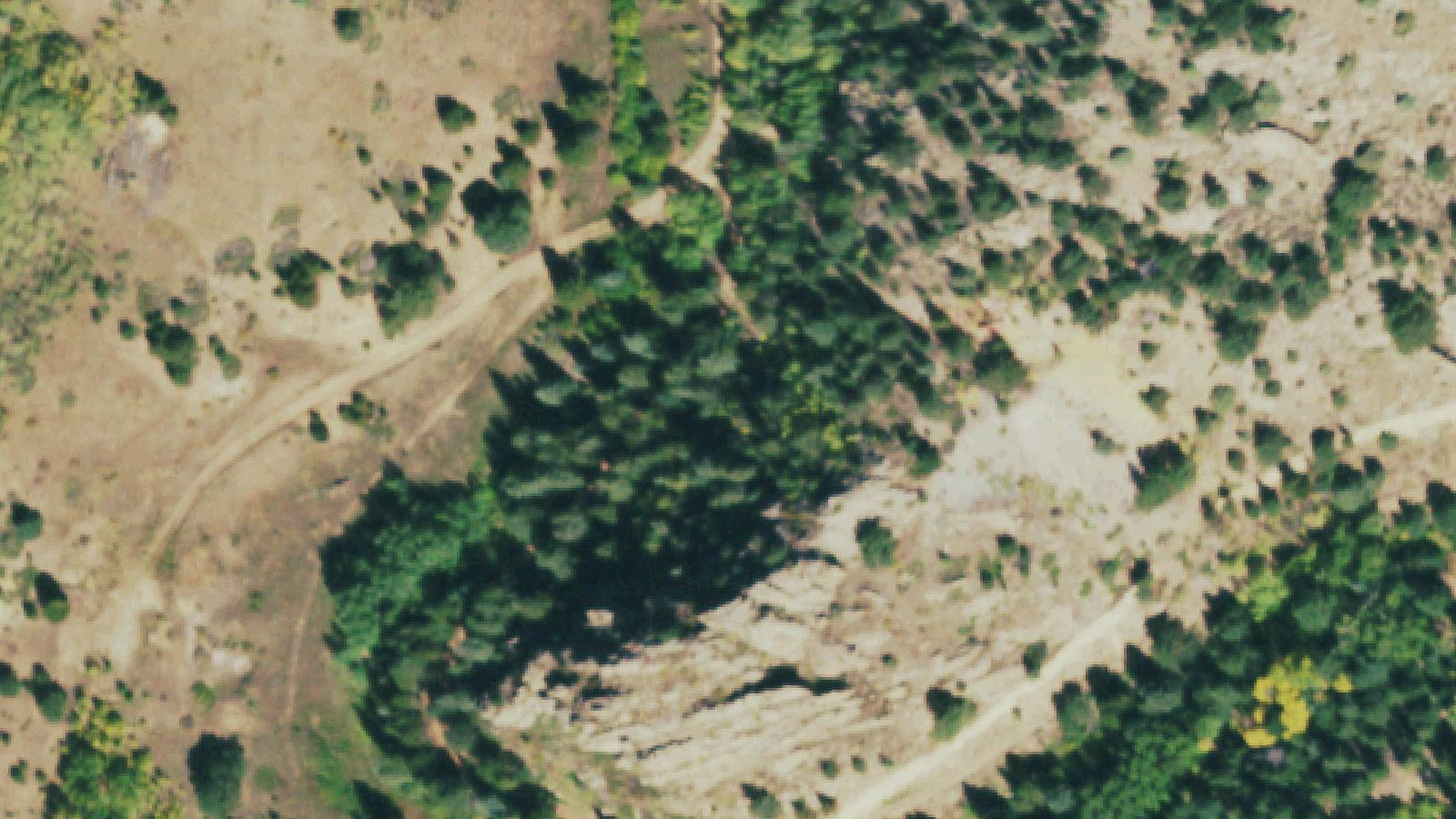 Aerial survey · USDA NAIP
Central City, CO
The Central City Masonic Cemetery was established in the early 1860s as the mining boom turned the gulch north of town into a permanent settlement. It holds the graves of miners, merchants, and fraternal lodge members who built Gilpin County during Colorado's first gold rush era.