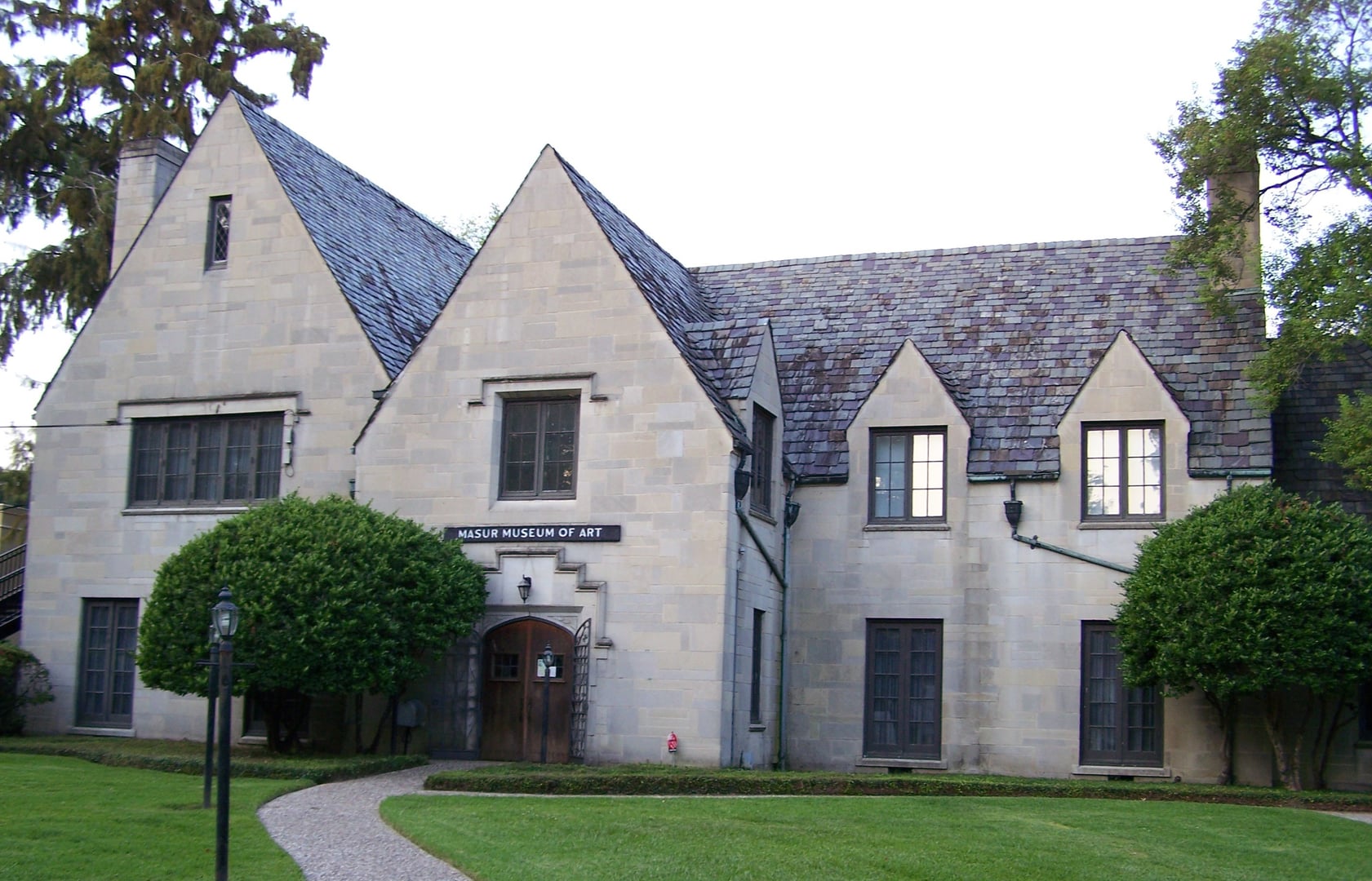
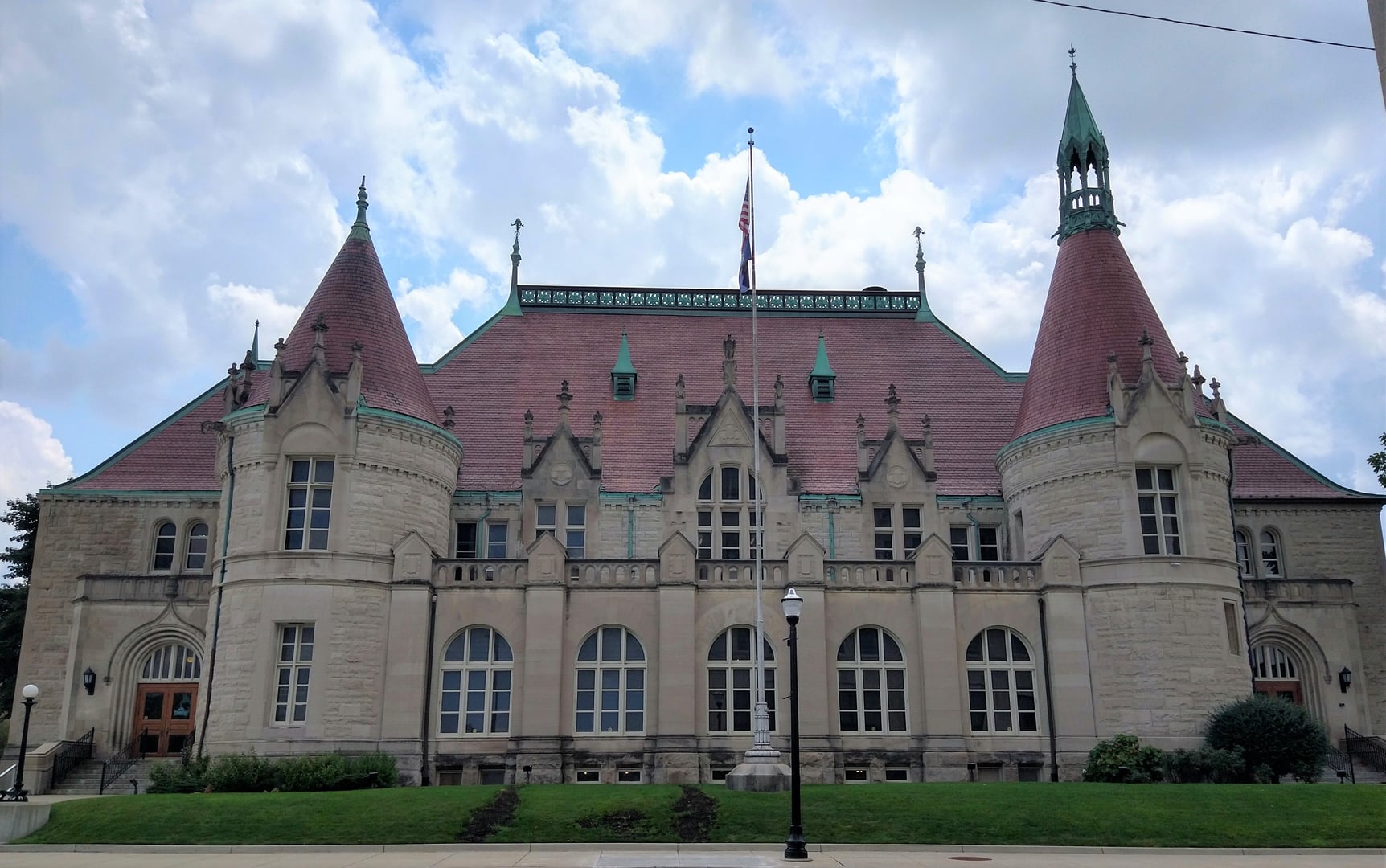
Est. 1912 · Built on site of Camp Collins military cemetery (est. 1862) · Opened Halloween 1912 · Contractors reportedly moved only 6 of many interred soldiers · Formerly Fort Collins Federal Post Office
Camp Collins was established as a military outpost in the Cache La Poudre valley in 1862, providing protection for settlers and overland routes through northern Colorado Territory. The camp maintained a cemetery, and a number of soldiers were buried there during its years of operation.
When the federal government selected the site at 201 S College Avenue for a new post office in the early 1910s, contractors were tasked with removing the remains of the soldiers buried in the former Camp Collins cemetery. According to accounts preserved by museum staff, only six sets of remains were actually relocated during construction—an unknown number of soldiers remained in the ground when the foundation was poured. The building opened on Halloween 1912.
The structure served as Fort Collins' federal post office for decades before being repurposed as the Museum of Art Fort Collins (MoAFC). The museum now presents rotating contemporary art exhibitions in the building, which retains its original neoclassical federal character. The Camp Collins cemetery history is a documented element of the building's interpretive story, mentioned by museum staff in published accounts.
Sources
- https://nocostyle.com/2024/09/26/see-you-in-the-next-life/
- https://medium.com/foco-now/5-places-in-fort-collins-to-spot-a-ghost-this-halloween-c47fe16fd580
Fire alarms triggering without causeElectronics activating without causePresence attributed to buried Camp Collins soldiers
Staff at the Museum of Art Fort Collins have named the building's apparent ghost George, a name derived from an attempt to identify one of the Camp Collins soldiers believed to remain interred beneath the building. George Pridmore, a 25-year-old soldier who died at Camp Collins in 1865, has been suggested as the most likely candidate—the identification is inference, not documentation.
Gloria Boresen, the museum's general manager, described specific incidents to NoCo Style magazine in 2024: fire alarms triggering without a detected cause, and electronic equipment activating on its own. These were not isolated events but part of a pattern that staff attribute to the building's unusual history. The Foco Now publication corroborates the cemetery backstory and the general pattern of unexplained activity.
The combination of a documented incomplete cemetery removal (only six remains relocated), a Halloween opening date, and specific named staff witnesses describing verifiable incidents makes this one of the more substantiated Fort Collins ghost accounts. The building's long institutional history—federal post office for decades, then an arts institution—means the activity has been observed and reported across different organizational cultures.
Notable Entities
George (named resident ghost)George Pridmore (Camp Collins soldier, d. 1865 — possible identity)