Est. 1906 · ASARCO company coal town · National Register of Historic Places (1984) · One of Colorado's best-preserved coal camps · Highway of Legends corridor
ASARCO established Cokedale in 1906 to supply coking coal to its smelting operations in the region. The company built the entire townsite—housing, a school, a church, and the Gottlieb Mercantile Building—creating a self-contained industrial community in the Purgatoire River canyon along what is now Colorado Highway 12 (the Highway of Legends).
At its peak the camp employed hundreds of miners and their families. Company-town life meant workers paid rent, bought goods, and banked in ASARCO-owned facilities. The Gottlieb Mercantile served as the commercial and administrative center of daily life in Cokedale for decades.
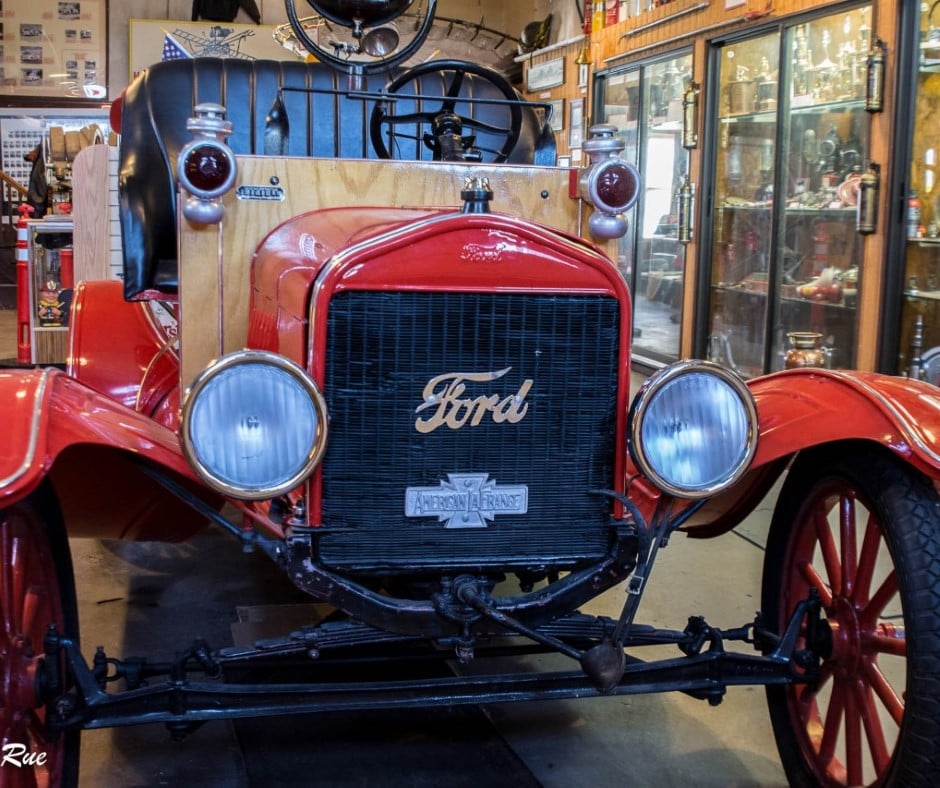
The coke ovens that once produced fuel for the smelters still stand as ruins along the creek bed. After ASARCO shuttered operations in the 1940s, the town transitioned to a small residential community. In 1984 the entire Cokedale Historic District was listed on the National Register of Historic Places, recognizing its rare state of preservation. The Cokedale Mining Museum now occupies the Gottlieb Mercantile, housing artifacts, photographs, and records from the coal-camp era.
Sources
- https://en.wikipedia.org/wiki/Cokedale_Historic_District
- https://worldjournalnewspaper.com/haunted-trinidad-if-you-had-a-nickel-for-every-ghost-2/
Phantom footstepsUnexplained whispersApparition of tall man in black hatApparition of young girl on stairs
Reports from staff members and the Cokedale town clerk describe a pattern of unexplained sounds—whispers with no source and footsteps in empty rooms—concentrated in the Gottlieb Mercantile Building. Two distinct apparitions have been reported: a tall man wearing a black hat, seen in the main museum space, and a blurry figure of a young girl observed near the interior staircase.
Paranormal investigation teams have visited the site, drawn by the specificity and consistency of the witness accounts. The building's long history as the administrative and commercial heart of a company town—where generations of mining families conducted daily business—is the conventional explanation offered for the persistent activity. No formal investigation findings have been published in peer-reviewed or verifiable form, but local press documentation of the staff accounts gives the reports a documented paper trail.