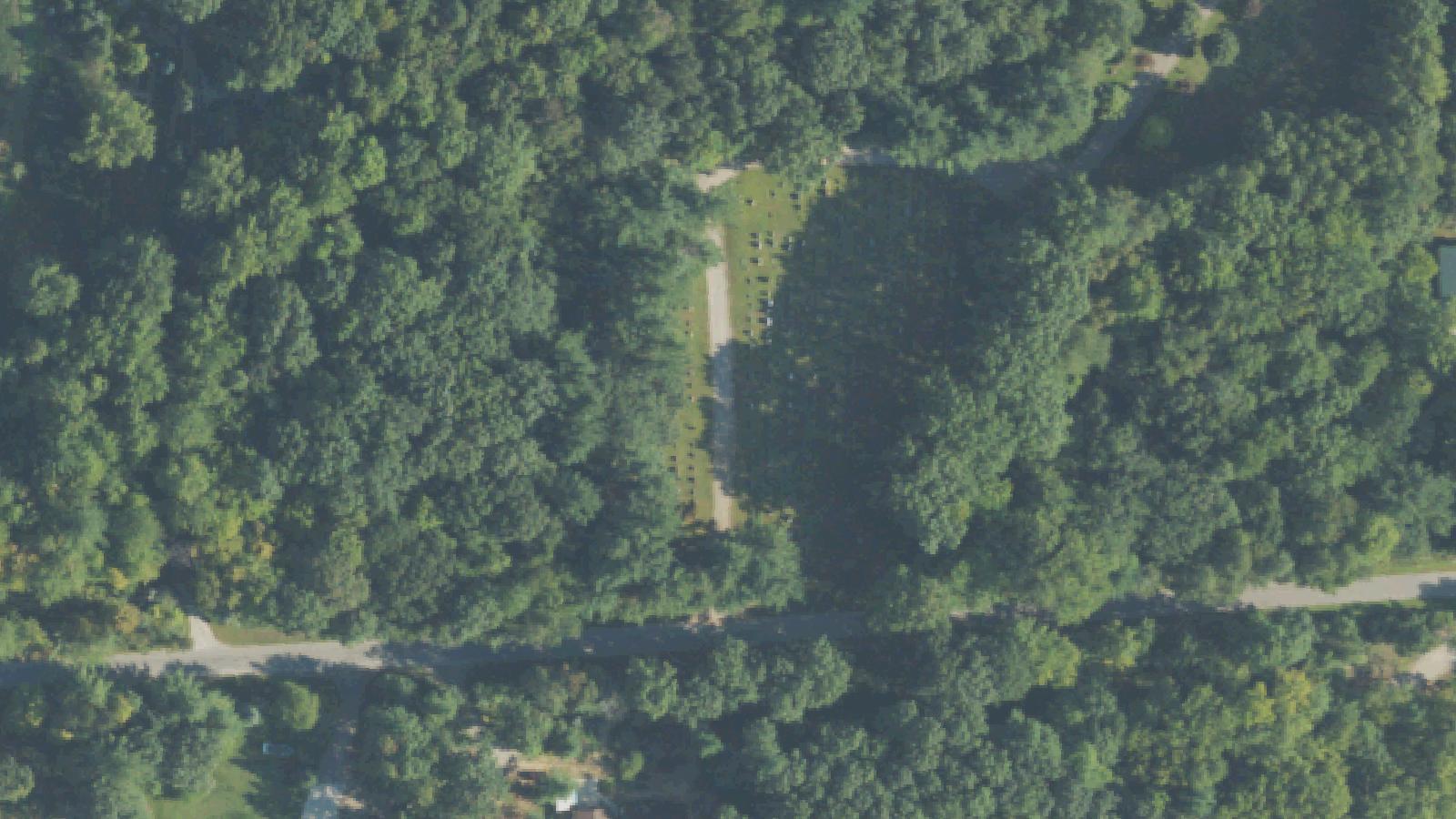
Mead, Colorado is a small Weld County community that developed as an agricultural settlement in the latter half of the 19th century. The cemetery reflects the community's age, with headstones from the 1800s visible among later burials.
Weld County's history, like much of the post-Civil War West, includes documented instances of racial violence directed at Black residents and migrant laborers during this period. The practice of lynching was employed across the American West as a mechanism of racial terror and social control from the 1860s through the early 20th century — a documented historical reality, not merely a regional legend.
No specific historical records confirming particular incidents at this cemetery were found in available sources. The Shadowlands account references visual reports of mob scenes, but independent historical documentation of events tied specifically to this cemetery was not located during research.
The cemetery now known as Highlandlake Pioneer Cemetery — the historic burial ground serving the Mead community — was formally established in early 1883, when residents of Highlandlake formed the Highlandlake Cemetery Association and purchased one and a half acres of high ground west of the lake. The site incorporated an older family burial ground dating to 1878. The cemetery association dissolved in 1906; sporadic burials continued through the late 1940s, then resumed in 2001 after Historic Highlandlake, Inc. obtained the deed of trust from Weld County. The Town of Mead itself was founded in 1906 when the Great Western Railroad bypassed Highlandlake by a mile, and was named for Dr. Martin S. Mead, a pioneer settler.
Sources
- https://www.colorado-cemeteries.com/Colorado-Cemeteries.html
- https://www.findagrave.com/cemetery/57333/highlandlake-pioneer-cemetery
- https://en.wikipedia.org/wiki/Mead,_Colorado
- https://history.weld.gov/County-150/Your-Stories/Paul-Martin-Mead
ApparitionsResidual haunting
The reported phenomena at Mead Cemetery differ from the typical apparition account. Rather than individual figures, some visitors have described witnessing what appears to be a scene of collective violence — groups of people and images consistent with the documented history of racial terror in 19th-century Colorado.
Whether these accounts represent genuine visual phenomena, the power of historical knowledge to shape perception in emotionally charged spaces, or something else entirely is beyond what the available evidence can determine. The cemetery's 19th-century origins place it within the documented historical period when such violence occurred in Weld County and across the region.
The site has not received independent paranormal investigation coverage in available sources, and the Shadowlands account provides the primary (and sparse) documentation.