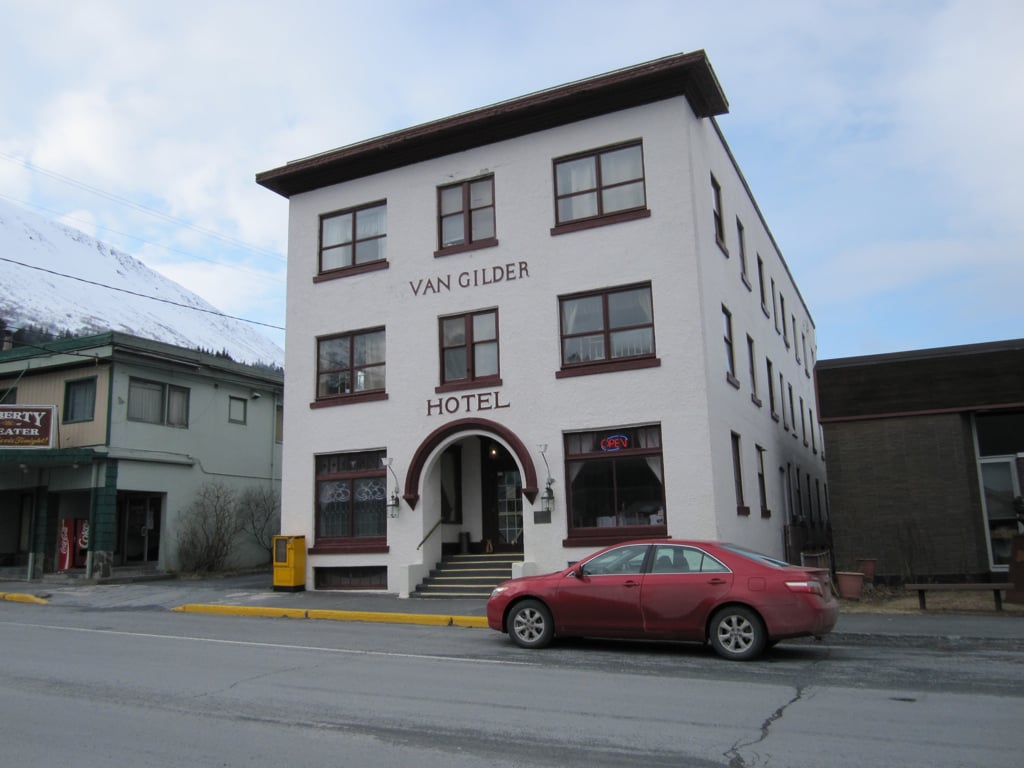
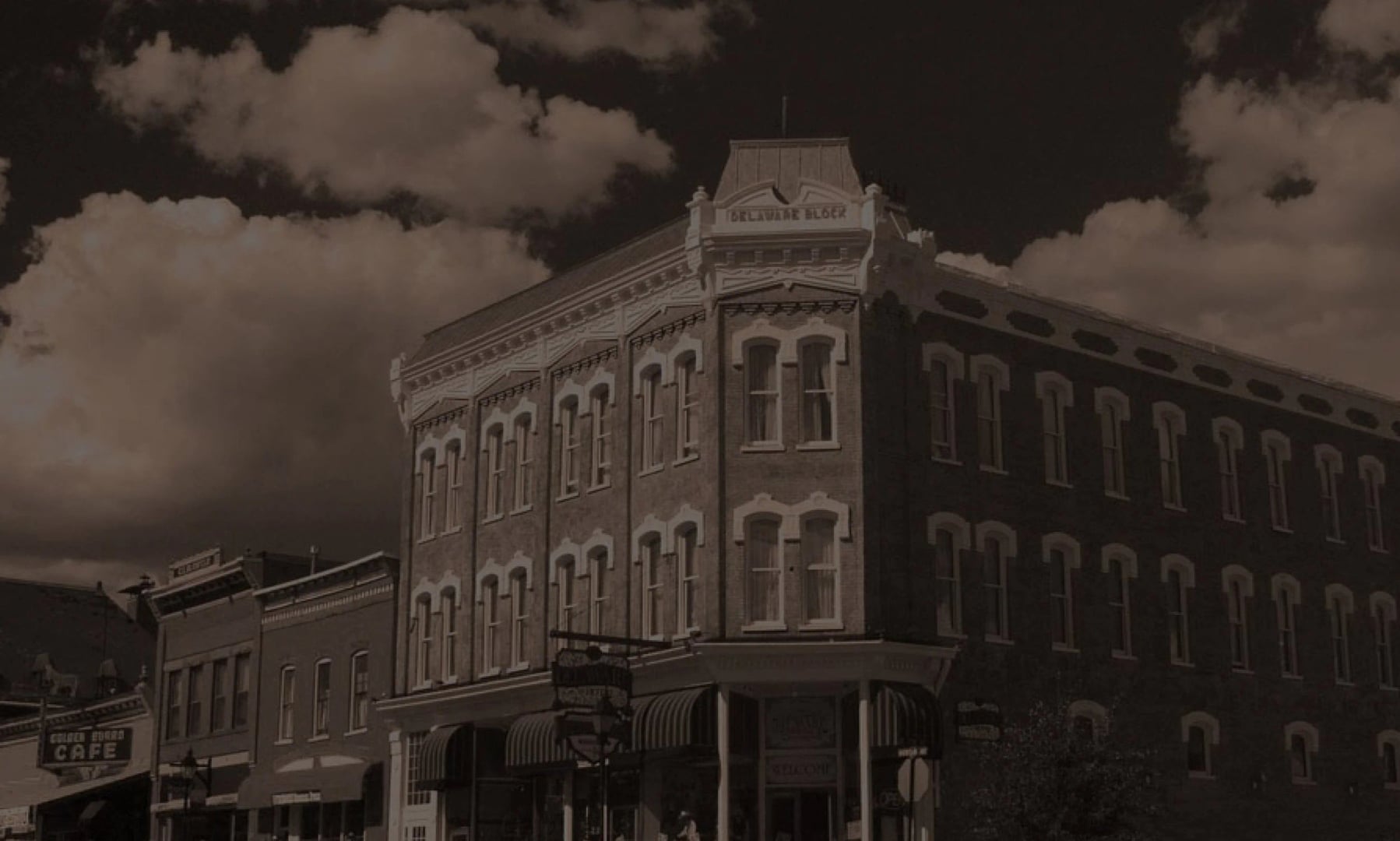
Fort Collins landmark since 1923 · U.S. Army barracks during World War II · Prohibition-era Old Town commercial district
The Armstrong Hotel opened in 1923 on South College Avenue, one year after Prohibition had made the sale of alcohol illegal nationwide. Fort Collins' Old Town district was then a lively commercial center with a documented bootlegging trade operating beneath its respectable surface, and the hotel occupied a prime position in that environment.
During World War II, the U.S. Army requisitioned the Armstrong to house military personnel, a common wartime conversion for large buildings near transportation corridors. The hotel returned to civilian use after 1945 and has operated as a lodging property continuously since. In 2023 the hotel marked its centennial with programming documenting its hundred years on South College Avenue.
The building's exterior and interior retain period character consistent with a 1920s commercial hotel. It appears in the Thomas Kingsley Troupe's 2013 review of haunted Colorado hotels, which places the Armstrong alongside better-known properties such as the Stanley and the Boulderado in the state's documented ghost-hotel tradition.
Sources
- https://thearmstronghotel.com/blog/100-years/
- http://thomaskingsleytroupe.com/2013/05/haunted-hotel-tour-colorado-edition-armstrong-hotel-fort-collins-co/
Phantom piano music in hallwaysBellhop apparition near Room 210Objects moving independently in Room 210Cold spots
The Armstrong Hotel's paranormal tradition centers on two phenomena that appear independently across multiple accounts. The first is auditory: guests report hearing soft piano music in the hallways late at night when no instrument is in use, with the sound fading when someone walks toward it. The second is visual and physical: a bellhop figure has been reported in the corridor near Room 210, and investigators visiting that room have documented objects moving without contact.
The Thomas Kingsley Troupe's 2013 Colorado haunted hotel survey, which draws on direct interviews with staff, places the Armstrong's bellhop tradition alongside more widely publicized Colorado hotel hauntings. Room 210 is identified as the primary focal point in that account.
No historical record pinning the bellhop to a specific deceased employee has been located in current sources. The Prohibition-era and WWII history of the building provides plausible period anchors for the lore, but the connection between the specific history and the specific apparition is not documented — the bellhop tradition appears to have developed through guest experience rather than archival research.