Est. 1902 · One of America's Oldest Amusement Zones (1902–1979) · Elmer McCurdy Mummy Discovery 1976 · Six Million Dollar Man Production Location
The Pike launched in 1902 on the Long Beach waterfront as one of the first permanent amusement zones on the Pacific Coast, predating Coney Island's major expansion. For seven decades it operated as a working-class entertainment district: roller coasters, midway games, dance halls, funhouses, and the kind of sideshow attractions common to American amusement parks of the era. It drew millions of visitors across its history before declining attendance and urban redevelopment pressures closed it in 1979.
Elmer McCurdy was an Oklahoma outlaw and train robber killed by a posse in Pawhuska, Oklahoma, on October 7, 1911. The undertaker who prepared his body found no next of kin to claim him, and — discovering that arsenic-based embalming had produced an unusually durable mummy — began charging visitors five cents to see 'The Outlaw Who Would Never Be Captured Alive.' When the carnival industry acquired McCurdy's body, it began a decades-long journey through exhibitions, sideshows, and haunted attractions.
By the 1970s, McCurdy's mummified remains had been painted DayGlo orange-red and were hanging with a noose around the neck in the Laff in the Dark funhouse at The Pike. Everyone assumed it was a prop.
On December 8, 1976, a production crew filming an episode of The Six Million Dollar Man moved the hanging figure to adjust a camera angle. When the figure's arm broke off and revealed a human bone, a medical examiner was called. Within days, a serial number on a bullet inside the body confirmed the remains were those of Elmer McCurdy. He had been dead for 65 years. In April 1977, McCurdy's body was transported to Summit View Cemetery in Guthrie, Oklahoma, for burial. The grave was capped with concrete to prevent any further appropriation.
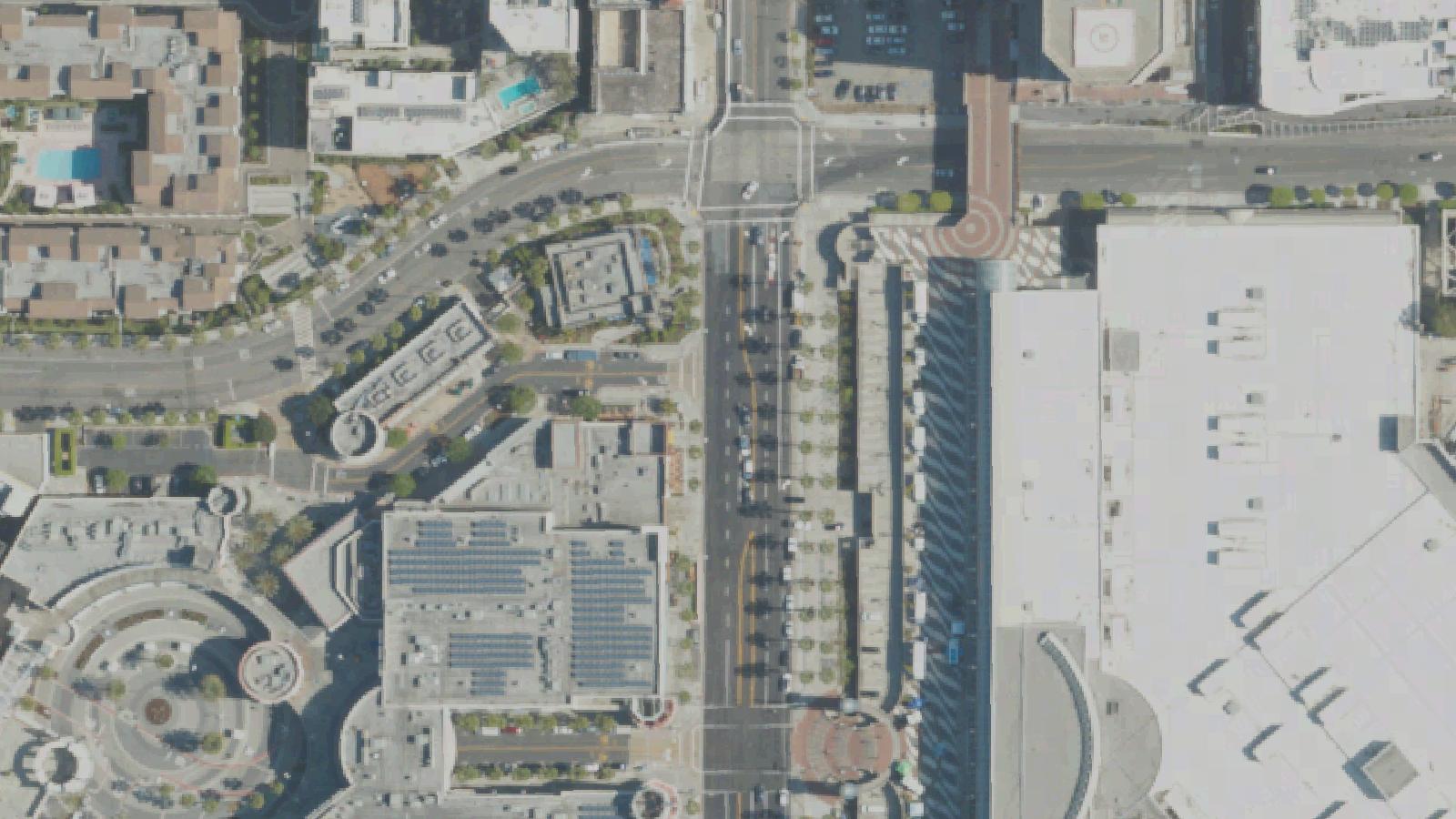
The Pike Amusement Park closed in 1979. The site is now an outdoor retail and dining complex called The Pike Outlets, opened in 2003.
Sources
- https://en.wikipedia.org/wiki/Elmer_McCurdy
- https://atomicredhead.com/2019/06/26/tracing-the-journey-mummified-outlaw-elmer-mccurdy-to-the-long-beach-pike/
- https://www.history.com/articles/elmer-mccurdy-mummy-dead-outlaw
- https://www.slate.com/blogs/atlas_obscura/2014/04/11/the_corpse_of_elmer_mccurdy_and_how_it_ended_up_in_a_long_beach_fun_park.html
The Pike's significance is historical rather than paranormal. Unlike a building where violence occurred and left a physical structure behind, the Pike Amusement Park was demolished in 1979. The funhouse where McCurdy hung is gone; the current retail complex has no architectural connection to the original site.
There is no established haunting tradition associated with either the old amusement park grounds or the current Pike Outlets. The documented story — 65 years of a real corpse displayed as a carnival exhibit, finally identified by accident during a TV shoot — does not generate the kind of site-specific paranormal lore that attaches to buildings.
The value here is what McCurdy's story reveals about the sideshow economy: the unbroken handoff from undertaker's curiosity to traveling exhibition to funhouse prop, each new owner apparently either unaware of or indifferent to what they were actually displaying. It is strange in a way that does not require haunting to be effective. The Pike site is worth a visit for the history; go in expecting documentary strangeness rather than ghost story.
Notable Entities
Elmer McCurdy (historical)
Media Appearances
- The Six Million Dollar Man (filming location, 1976) (television, 1976)
Where this legend is told