Drive-By
Attend an Event at the Fox
The Fox Event Center hosts live performances and private events. The restored Spanish Colonial Revival lobby and 1928 theatre interior are part of the visit experience.
- Duration:
- 2.5 hr
HauntBound archive · catalog record
Reported phenomena, as catalogued
1928 Mission Revival Theatre, Reopened as Live Venue
123 Cajon St, Redlands, CA 92373
Research updated May 2026
Age
All Ages (event-dependent)
Cost
$$
Event-ticket pricing varies. Private rentals available.
Access
Wheelchair OK
Restored 1928 theatre with main-floor accessibility
Equipment
Photos OK
Est. 1928 · Mission Revival / Spanish Colonial Revival Architecture · Fox West Coast Theatre Corporation · Redlands Downtown Historic District
The Redlands Fox Theatre was built in 1927 and opened on December 28, 1928. The opening program included "Habeas Corpus" starring Laurel and Hardy and "Naughty Baby" with Alice White and Jack Mulhall, along with live vaudeville. Hollywood celebrities attended the grand opening, reflecting the theatre's role in the regional movie-going scene.
The building was designed by Lewis A. Smith in a Mission Revival idiom, with a 1,505-seat auditorium and a Wurlitzer pipe organ for accompanying silent films. One year after opening, the West Coast Theatres chain merged with Fox Theatres to form the Fox West Coast Theatre Corporation, and the building took on its Fox identity.
The theatre transitioned from silent to sound film in the late 1920s and was converted to a multiplex during the 1940s, which substantially modified the original 1928 auditorium. It closed as a movie theatre on April 13, 1988, and stood vacant for more than two decades. The Fox Theatre reopened on July 4, 2009, as the Fox Event Center, a live-performance venue accommodating about 400 people seated or 700 standing. The Spanish Colonial Revival lobbies have been restored.
Sources
Local retellings of the Fox Theatre from its long vacant period between 1988 and 2009 describe a sensed presence inside the closed building, with some accounts framing the figure as potentially tied to an older opera house adjacent to the property from Redlands's founding-era theatre scene. These accounts circulate in Inland Empire ghost-tour writing rather than in named-investigator publications.
With the property's 2009 reopening as the Fox Event Center, the building's primary identity is as a working live-performance venue and private rental space. The 1988-2009 vacant period and the building's connection to Redlands's earliest commercial-entertainment district remain the structural anchors of any haunted retelling.
The Fox Event Center hosts live performances and private events. The restored Spanish Colonial Revival lobby and 1928 theatre interior are part of the visit experience.
The 1928 facade on Cajon Street is a downtown Redlands landmark. The exterior can be viewed from the public sidewalk.
Some links on this page may earn HauntBound a small commission when you book, at no extra cost to you. Our editorial picks are independent. Full disclosure
Every HauntBound history is researched from documented sources. We clearly separate verified historical fact from paranormal folklore.
Free Guide
10 verified stops, rated for families, mapped in order. Free.
One email to confirm, then the guide link. Unsubscribe anytime.
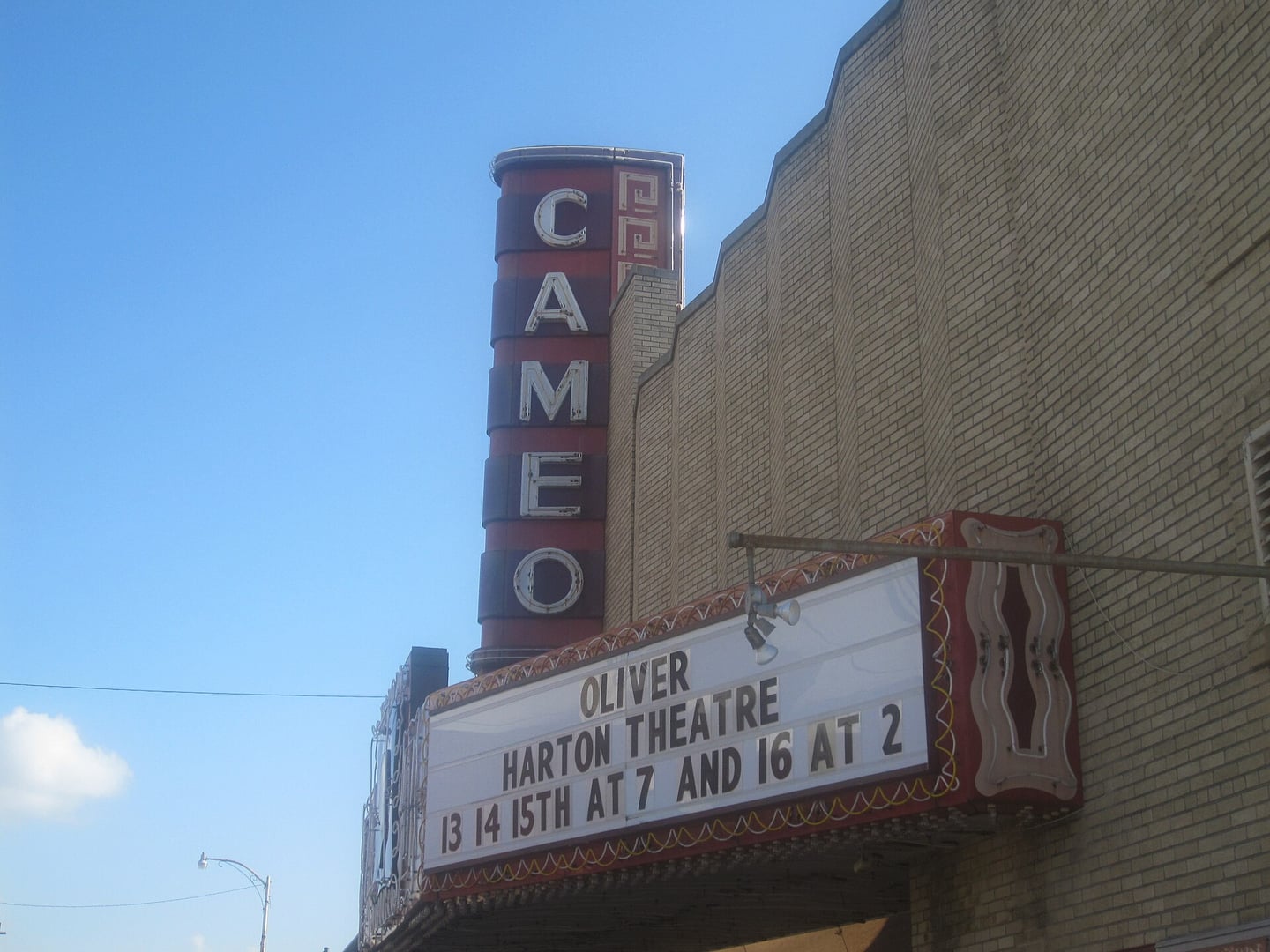
Magnolia, AR
The Cameo Theatre was constructed in 1949 in Magnolia, Arkansas, and served as the city's primary movie palace until its closure in 2012. Designed by architecture firm Ginocchio & Cromwell, the theater featured 850 seats and ornamental murals. W.P. Florence, Jr. owned and operated the theater until his retirement in 2000. Stars Cinema subsequently operated the facility until 2012.
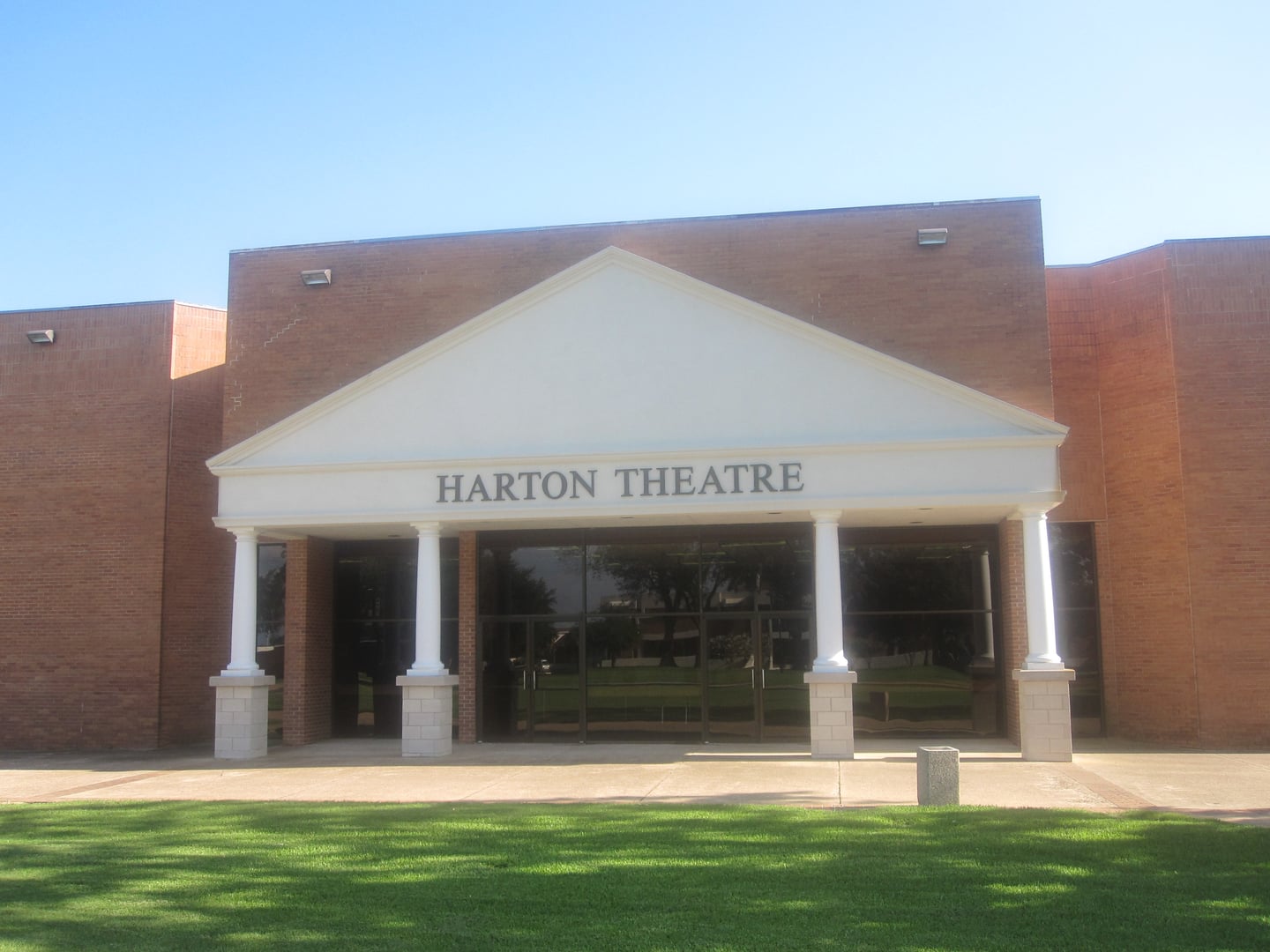
Magnolia, AR
Southern Arkansas University in Magnolia traces its origins to the Third District Agricultural School established in 1909. The institution became Southern Arkansas University in 1976. The Harton Theatre is the home of the SAU Department of Theatre and hosts the university's main stage season.
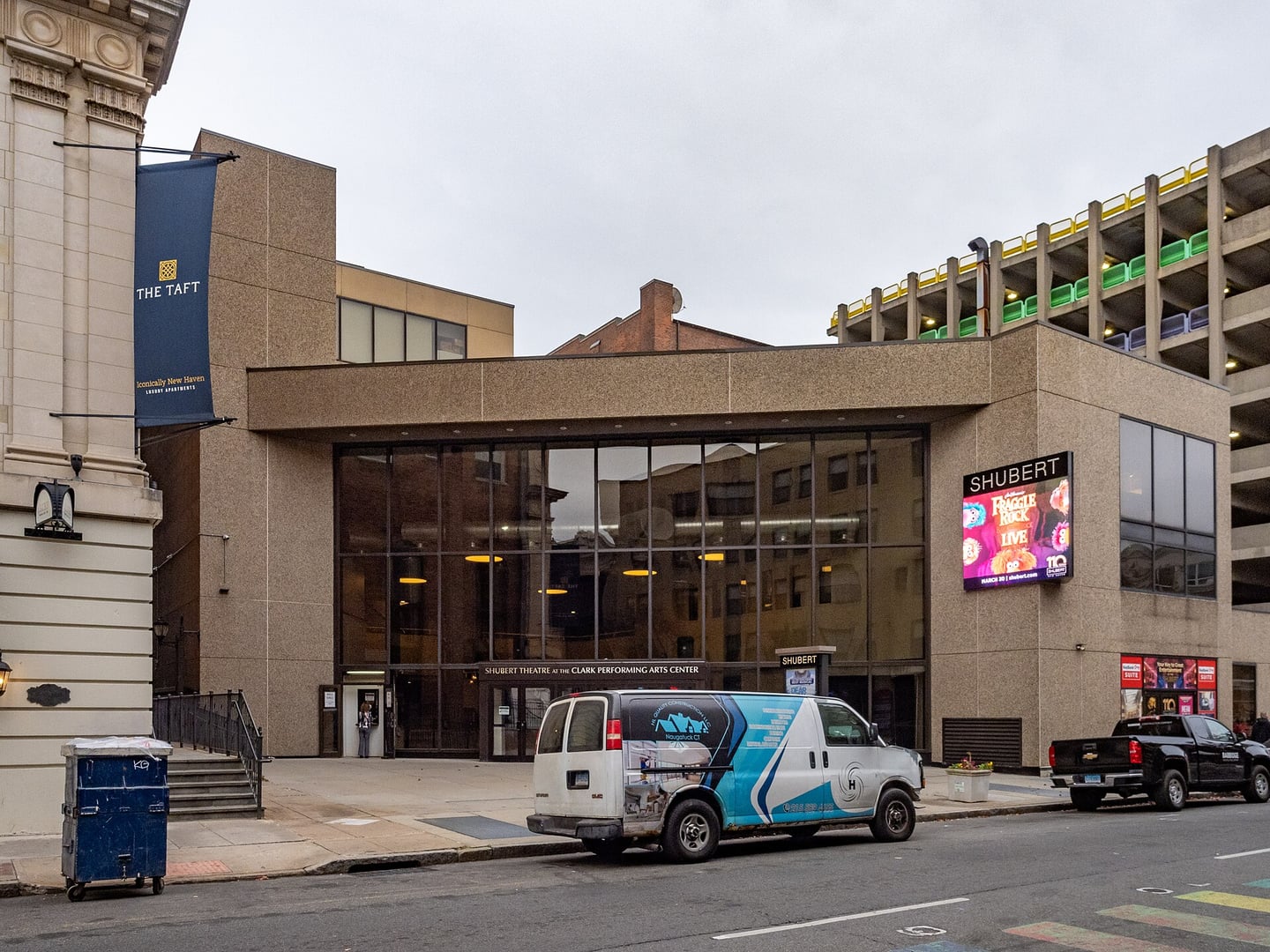
New Haven, CT
The Shubert opened December 11, 1914 with 'The Belle of Bond Street,' designed by New York architect Albert Swazey and built by H.E. Murdock Construction for the Shubert Brothers, who named it for their late brother Sam S. Shubert. It became the country's most active Broadway tryout house — over 600 out-of-town tryouts, more than 300 world premieres and 50 American premieres — before closing in 1976 and reopening in 1983 under city ownership.