Est. 1927 · Mission Revival Architecture · Mission Play Production House · King Alfonso XIII Tapestries · Los Angeles Historic Theatre
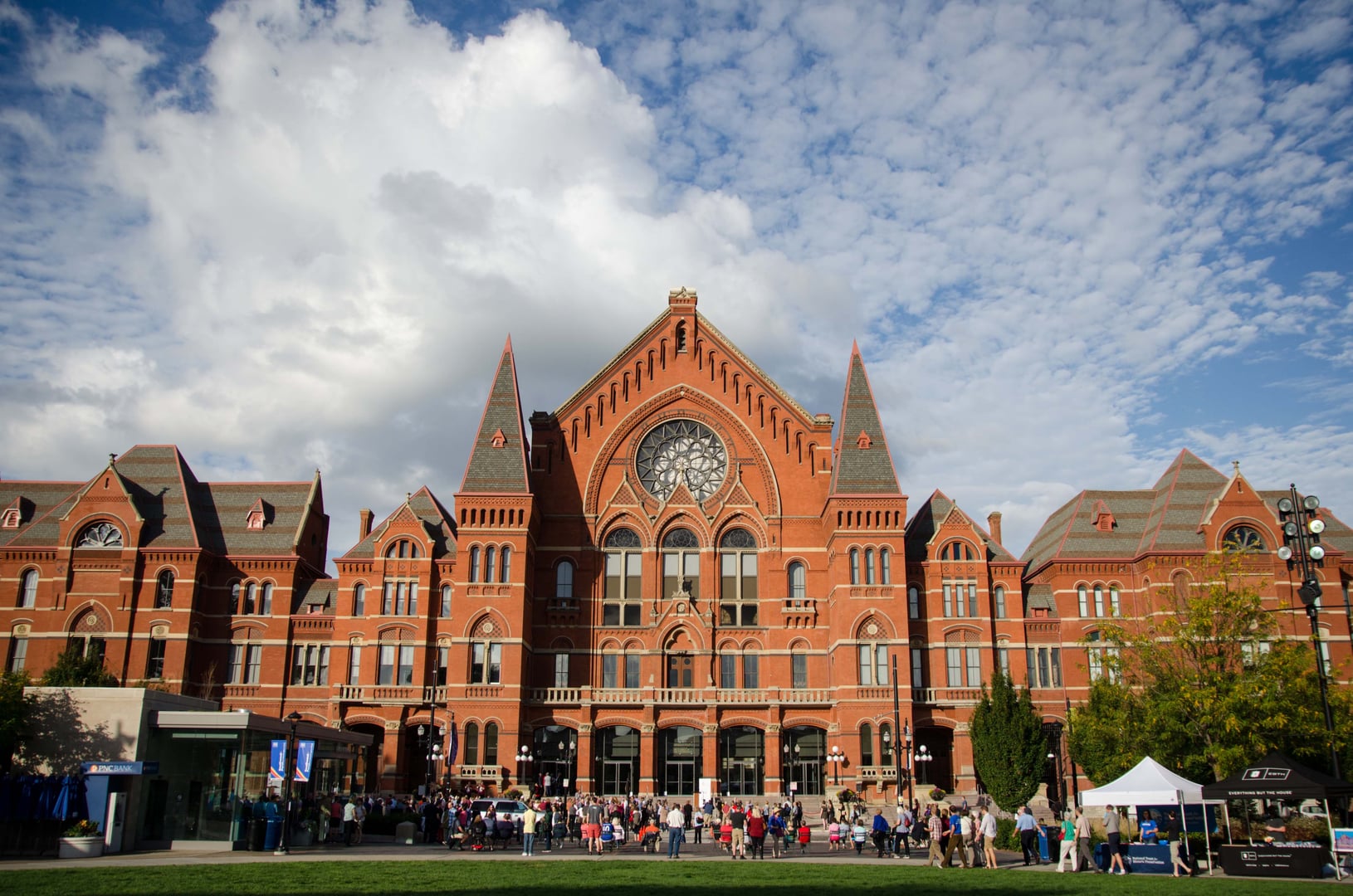
The San Gabriel Mission Playhouse occupies a Mission District site in San Gabriel, California, immediately northeast of downtown Los Angeles. Architect Arthur Burnett Benton designed the building in Mission Revival style, with the facade modeled on Mission San Antonio de Padua in Monterey County. Construction ran from 1923 to 1927 and was commissioned specifically to house John Steven McGroarty's Mission Play, an extraordinarily popular dramatic retelling of the founding of the California missions.
The 1,387-seat theater interior includes a hand-painted ceiling with Native American influences, replica Spanish galleon lanterns, and a set of woven tapestries that were presented to the playhouse by King Alfonso XIII of Spain in 1927 in recognition of the play. During the decade after the Mission Play's success, the playhouse functioned as a movie theater, and its dressing rooms were converted into apartments to address World War II housing pressure.
The building was renamed the San Gabriel Civic Auditorium in 1945; the original Mission Playhouse name was restored in 2007. The theater is owned and operated by the City of San Gabriel and is part of the Los Angeles Conservancy's network of historic theaters. The Los Angeles Historic Theatre Foundation maintains a detailed history of the building's design and programming.
Sources
- https://en.wikipedia.org/wiki/San_Gabriel_Mission_Playhouse
- https://www.laconservancy.org/learn/historic-places/san-gabriel-mission-playhouse/
- https://www.lahtf.org/theaters/missionplayhouse/
- https://www.sangabrielcity.com/79/Mission-Playhouse
ApparitionsObject movementShadow figures
The playhouse's folklore is anchored by John Steven McGroarty, the playwright and California political figure who wrote the Mission Play and is locally remembered as Uncle John. McGroarty served briefly in the United States House of Representatives and was named Poet Laureate of California; he is the central named figure in the building's folklore.
A recurring backstage detail describes a preserved scenic drop from the original Mission Play production that occasionally swings unprompted during high school musical rehearsals on the stage. A separate account from a 2003 production of The Music Man describes a figure visible in the second-story window of a scenic house on stage; staff, crew, and audience members reportedly observed the figure on the venue's live monitor feed. The figure was identified after the fact by older staff as Uncle John. The folklore notes that no ledge or other physical support exists in the scenic element that would allow a person to stand at that window.
Additional recurring elements include accounts of a child reportedly moving through the upstairs corridors and a former stage manager reportedly observed in the building after hours. A widely retold detail about underground passages used as Depression-era catacombs and sealed off with a brick wall in a men's restroom is uncorroborated in the standard Los Angeles theater literature on the building; that material is presented here as backstage legend rather than verified architectural history.
Notable Entities
John Steven McGroarty ("Uncle John")