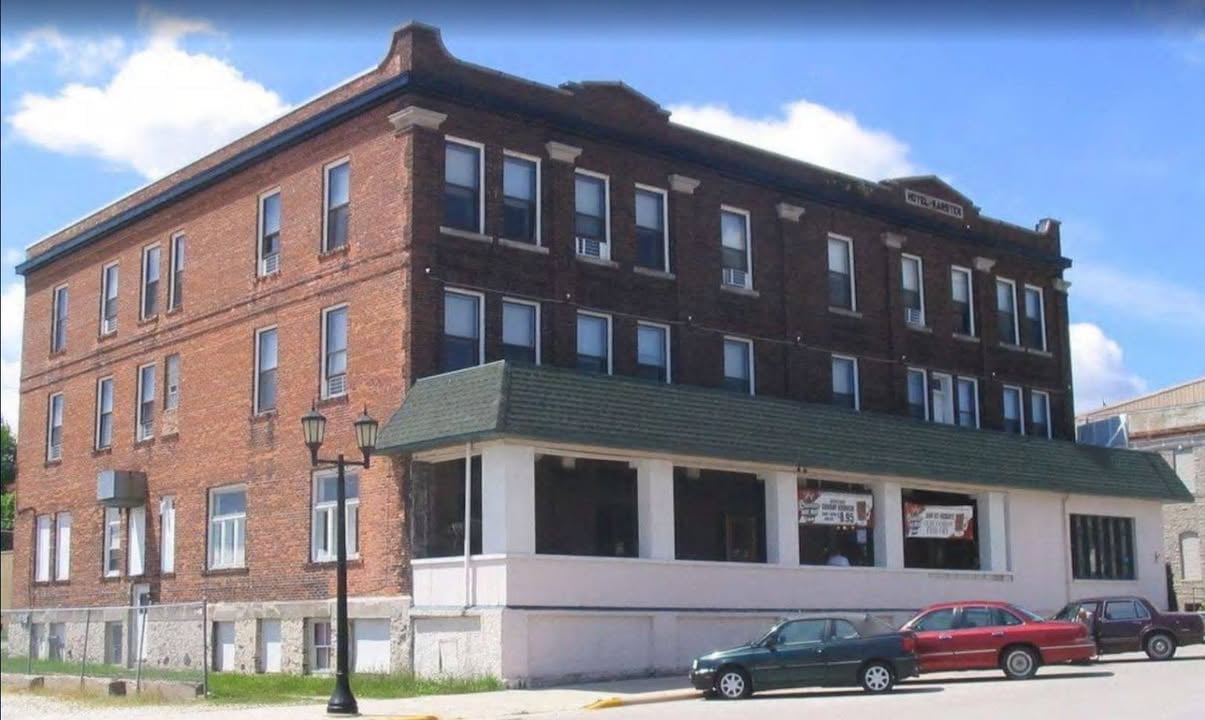
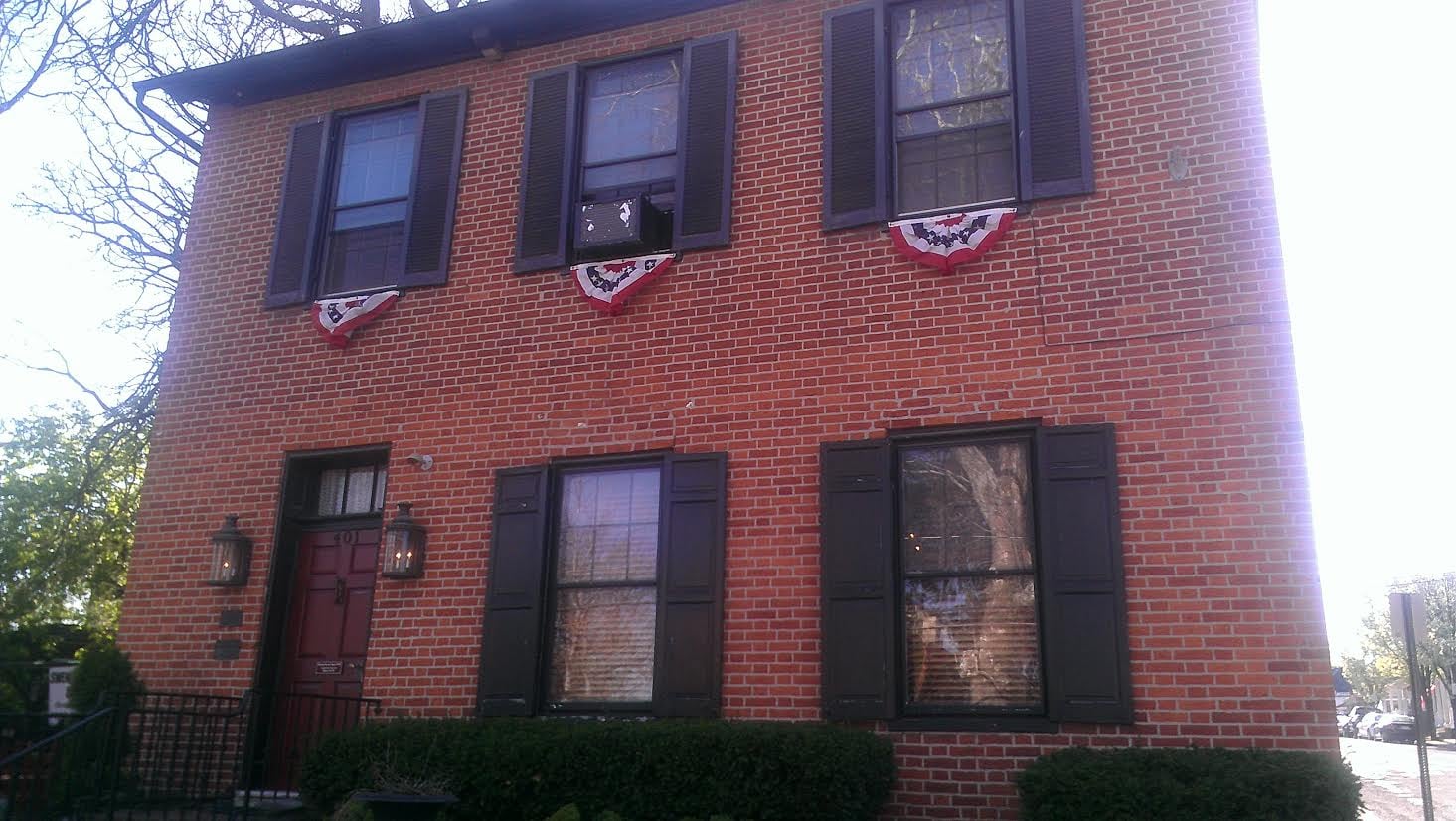
Est. 1923 · Pacific Lumber Company Town · Avenue of the Giants Gateway · Mowatoc Hotel Heritage · California Last Company Town
Scotia is a former Pacific Lumber Company town on the Eel River in Humboldt County, Northern California. The town was founded in 1863 as Forestville to house workers for Pacific Lumber's redwood operations. It was renamed Scotia in 1888 when a post office was opened, to avoid confusion with a same-named town in Sonoma County. Pacific Lumber's Mill A was completed in 1887; for decades the company operated what was at times the largest redwood lumber producing sawmill in the world.
The town included a company store, bunkhouses, a school, a hospital, two churches, a bank, a movie theater, a fire department, and a hotel. The first unit of the Mowatoc Hotel, later renamed the Scotia Inn, was constructed in 1923 to house company guests and visiting officials at the height of the mill's operations.
Following Pacific Lumber's bankruptcy and the broader contraction of California redwood operations in the 2000s, Scotia transitioned away from full company-town status. The historic Scotia Inn closed and was redeveloped; the property reopened as the 22-room Scotia Lodge, a boutique hotel at the northern entrance to the Avenue of the Giants drive through Humboldt Redwoods State Park. The lodge operates Main + Mill Kitchen as its on-site restaurant and remains the principal hotel in the town. Scotia is widely cited in California historical writing as the last surviving company town in the state.
Sources
- https://en.wikipedia.org/wiki/Pacific_Lumber_Company
- https://en.wikipedia.org/wiki/Scotia,_California
- https://townofscotia.com/history/
- https://www.scotia-lodge.com/
- https://www.newsweek.com/last-company-town-68763
ApparitionsPhantom footstepsPhantom voicesObject movement
Scotia Inn folklore is long-running staff and guest tradition that survived the property's transition to Scotia Lodge. The most-retold figure is a presence known as Frank, said to occupy a top-floor room. Accounts describe Frank as friendly: unattributed footsteps and voices in the upper hallway, and a specific tradition in which a guest who bounces a basketball will reportedly receive a return bounce.
A secondary tradition describes a mother and child reportedly tied to an upper-floor balcony incident in which a young child fell while playing with a ball. The folklore associates an additional account of a crying baby with a separate room. The accounts are anonymous and have not been independently corroborated by Humboldt County newspaper or historical society sources accessible through standard web search; the folklore is presented here as long-standing property tradition rather than documented incidents.
The property has not historically marketed itself as a haunted hotel. The lore circulates primarily through California paranormal community submissions and is summarized in regional travel features rather than in formal paranormal investigation reports.