Guided Tour
Woelke-Stoffel House guided tour
Tour the 1894 Queen Anne Victorian as part of Anaheim's Founders Park complex, paired with the adjacent Mother Colony House.
- Duration:
- 1 hr
HauntBound archive · catalog record
Reported phenomena, as catalogued
1894 Queen Anne Victorian in Anaheim's Founders Park
418 N West Street, Anaheim, CA 92805
Research updated May 2026
Age
All Ages
Cost
Free
Free public access; donations support Founders Park preservation.
Access
Limited Access
Multi-story Victorian house museum with stairs
Equipment
Photos OK
Est. 1894 · Anaheim Founders Park - 1894 Queen Anne Victorian · Adjacent to the 1857 Mother Colony House · Surviving example of late-19th-century Anaheim domestic architecture
The Woelke-Stoffel House was built in 1894 as a Queen Anne Victorian in Anaheim, California. The home is named for two of its long-term owners. John Gottlieb Woelke moved to Anaheim in 1894 with his family and was the home's first resident. Peter Stoffel purchased the home in 1907 and lived there as a successful citrus farmer during the height of Orange County's citrus economy.
The house is widely regarded as one of the finest surviving Queen Anne Victorians in Anaheim, with detailed wood ornamentation typical of late-19th-century architectural fashion.
The building is part of the city's Founders Park preservation complex on North West Street, which also includes the Mother Colony House (1857) - one of the first buildings constructed in Anaheim, originally home to George Hansen, the German-immigrant surveyor known as the 'Father of Anaheim.' Both buildings were moved to the current site to consolidate the city's preservation efforts; the Mother Colony House was moved to its present location in 1929 to save it from demolition. The Woelke-Stoffel House is administered by the City of Anaheim's preservation program.
The building acquired the local nickname 'The Red Cross House' through a period of use associated with the American Red Cross.
Sources
Local Anaheim tradition has long associated the Woelke-Stoffel House with quiet paranormal reports, including a presence interpreted as one of the home's original caretakers and a strange sensation visitors describe when entering the upstairs room associated with the family's children. Some visitors have reported the impression that a portrait near the home's entrance changes expression - a common experience in old portraits caused by lighting and angle.
Long-time volunteers and docents have, in published press coverage, stated unambiguously that they do not believe the house is haunted and have noted that the ghost stories appear to circulate around both the Woelke-Stoffel House and the neighboring Mother Colony House as a kind of local tradition rather than as documented experience.
Visitors should approach the building as the historic house museum it is, with the ghost lore as a footnote rather than a primary draw.
Tour the 1894 Queen Anne Victorian as part of Anaheim's Founders Park complex, paired with the adjacent Mother Colony House.
Some links on this page may earn HauntBound a small commission when you book, at no extra cost to you. Our editorial picks are independent. Full disclosure
Every HauntBound history is researched from documented sources. We clearly separate verified historical fact from paranormal folklore.
Free Guide
10 verified stops, rated for families, mapped in order. Free.
One email to confirm, then the guide link. Unsubscribe anytime.
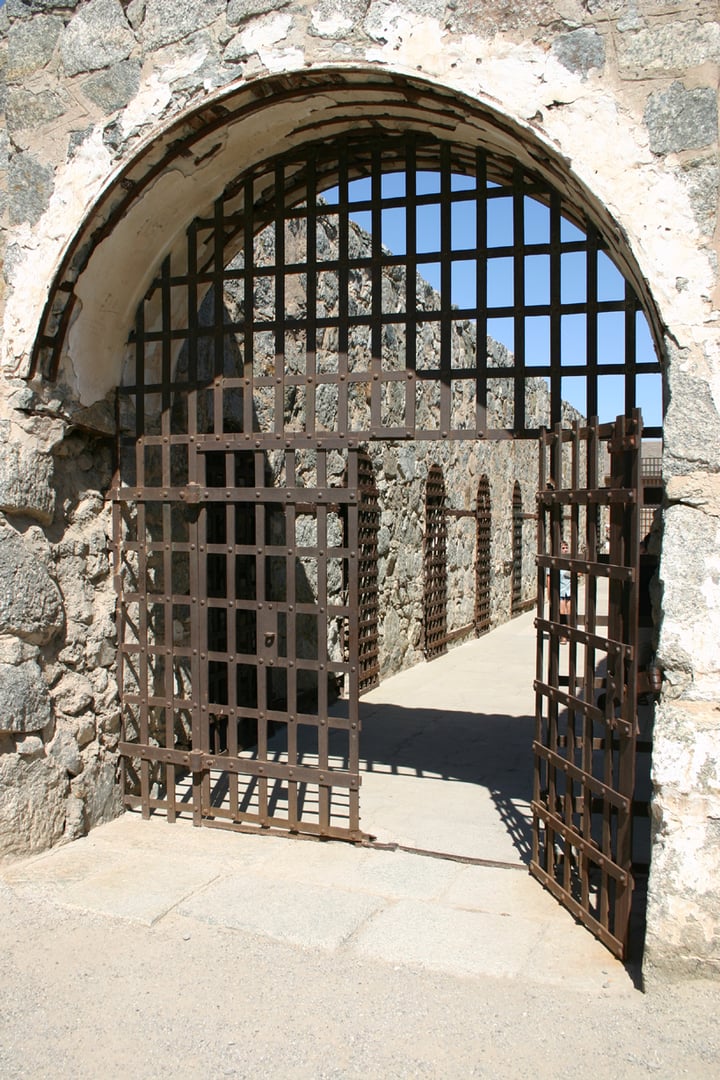
Yuma, AZ
Yuma Territorial Prison operated from 1876 to 1909 on a bluff overlooking the Colorado River in Yuma, Arizona. It held 3,069 prisoners during its 33-year operation, including 29 women. The facility became a state historic park and has been voted by USA Today readers as the Best Haunted Destination in the nation.
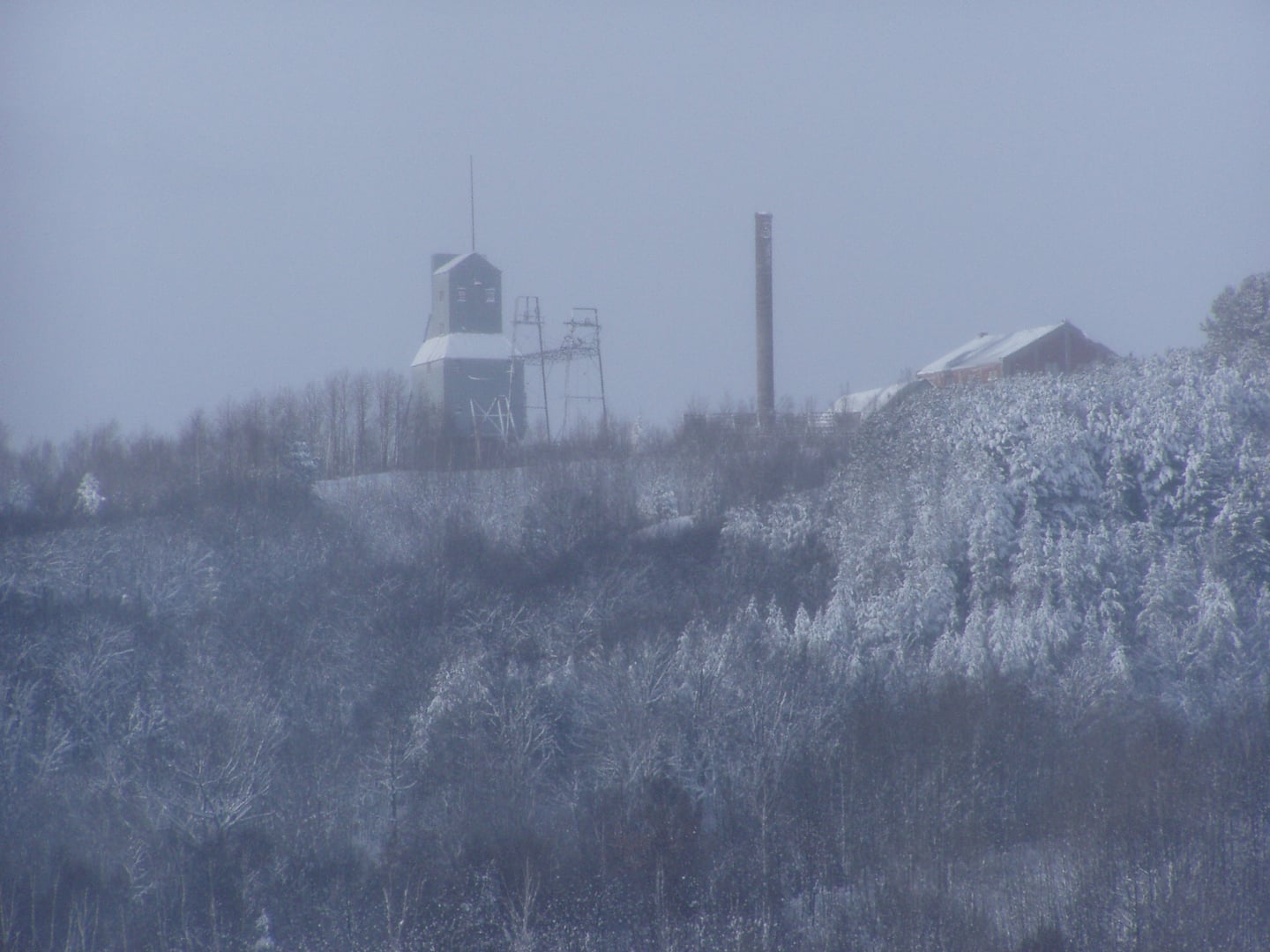
Hancock, MI
The Quincy Mining Company began extracting copper from the Keweenaw Peninsula in 1846 and operated continuously until 1945, producing nearly a billion pounds of copper. During that period, 253 workers died in documented underground accidents. At its deepest, the mine reached 9,000 feet — the deepest copper mine in the world at the time — and its No. 2 shaft hoist house is a National Historic Landmark.
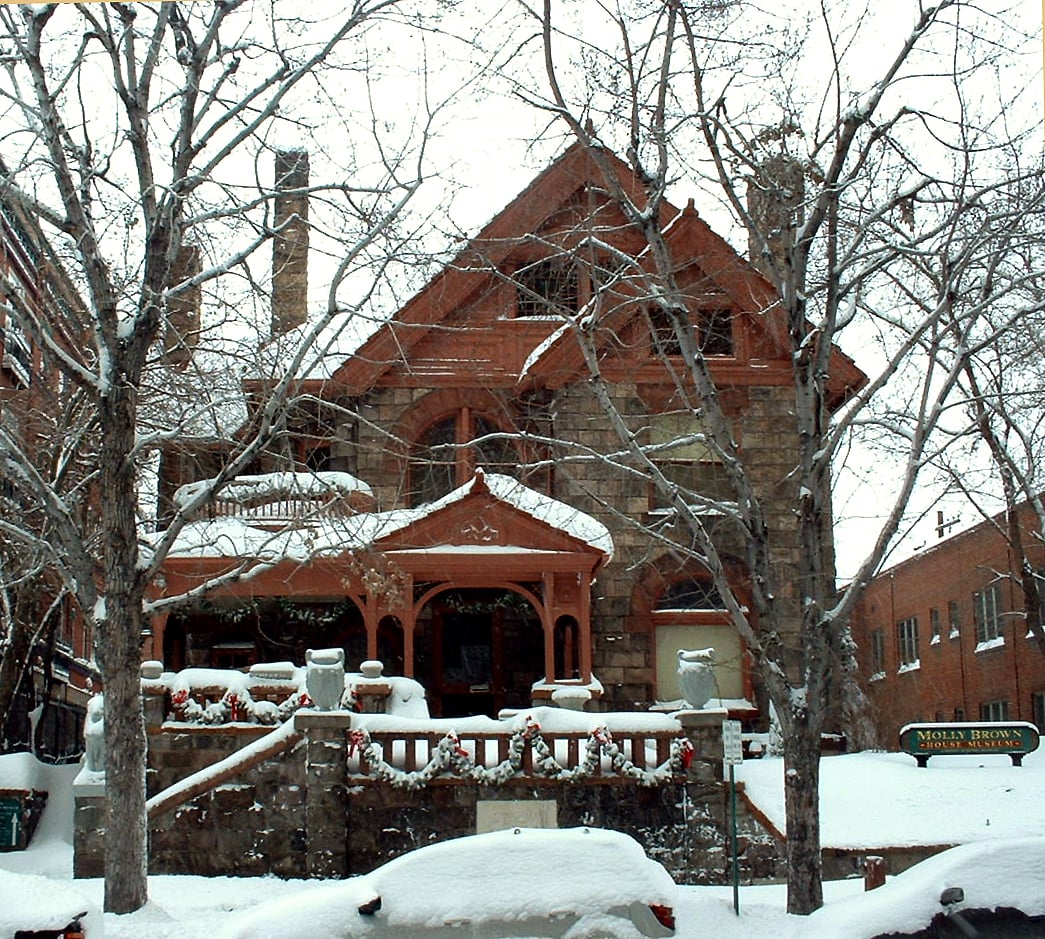
Denver, CO
The Molly Brown House in Denver was the home of philanthropist and Titanic survivor Margaret Brown from 1894 until her death in 1932. Designed by architect William A. Lang in 1889 in a mixed Queen Anne and Richardsonian Romanesque style, the house has operated as a museum under Historic Denver Inc. since 1971 after a public campaign saved it from demolition.