Est. 1855 · Oldest Continuously Operating Lighthouse on the West Coast · First Illuminated February 1, 1855 · Emily Fish 'Socialite Keeper' 1893–1914 · Charlotte Layton — Early Female Keeper Following Husband's Death
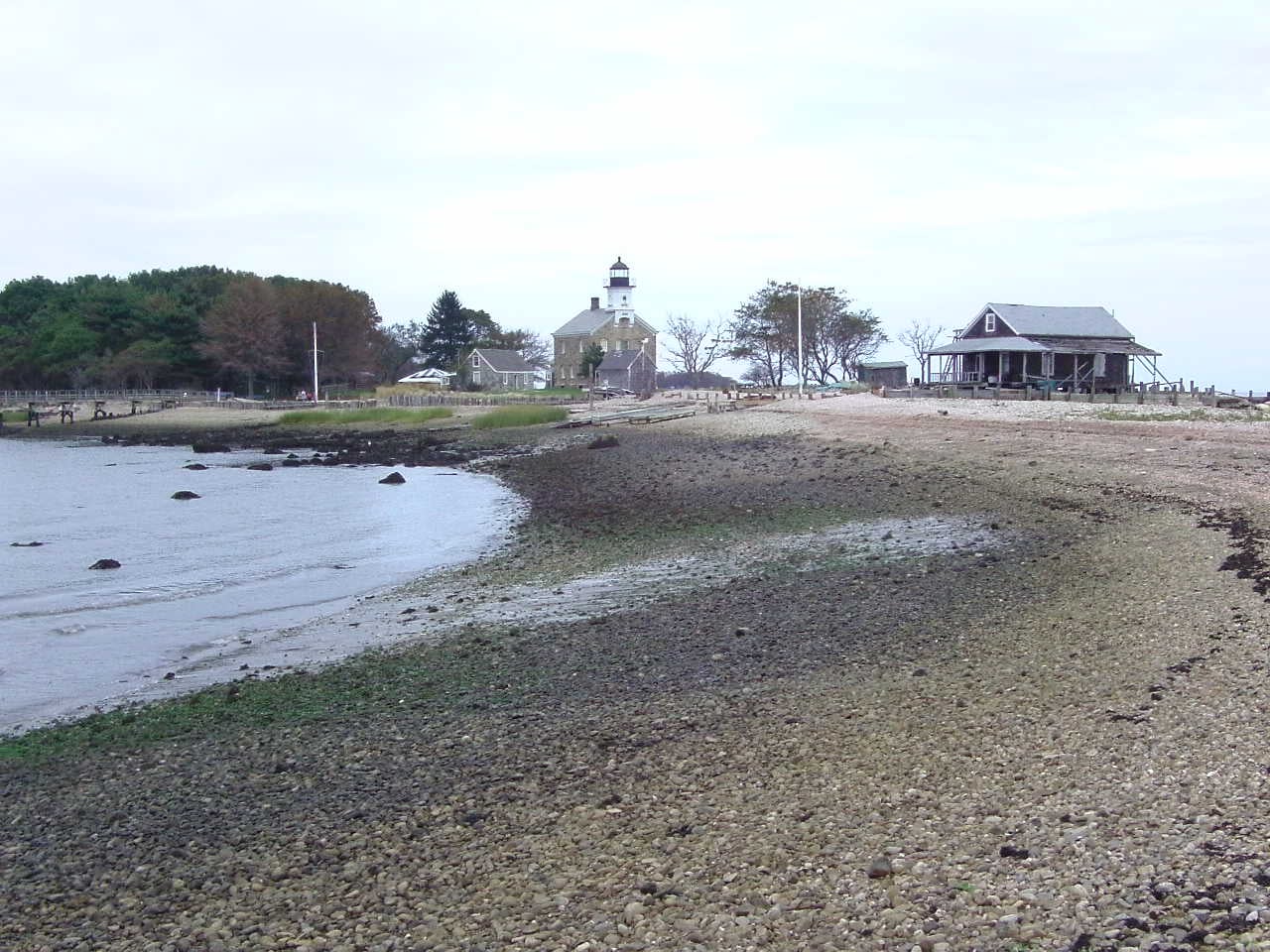
Point Pinos Lighthouse sits on the rocky tip of the Monterey Peninsula, marking the southern edge of Monterey Bay at Pacific Grove. It was first illuminated on February 1, 1855, under the supervision of the newly established U.S. Lighthouse Board. The designation as the oldest continuously operating lighthouse on the West Coast rests on the fact that the structure and its light have remained in active service from 1855 to the present, without the deactivations and reactivations that interrupted other California light stations.
The station's first head keeper, Charles Layton, died violently in 1855 — the same year the light was established. Layton was killed while riding with a sheriff's posse in pursuit of Anastacio Garcia, a figure associated with cattle theft and violence in Monterey County in the mid-1850s. Layton's wife, Charlotte, was appointed keeper in his place and served the station for two years following his death, making her one of the earliest female lighthouse keepers on the Pacific Coast.
The keeper most associated with the station's current paranormal reputation is Emily Fish, who served from 1893 to 1914. Fish was the niece of David Starr Jordan, the founding president of Stanford University, and came to the lighthouse after her physician husband died. She maintained a social life at the isolated station unusual for lighthouse keeping — hosting dinners, tending an elaborate garden, and keeping a horse — and the local press took note. She was called the 'Socialite Keeper' in Pacific Grove community accounts. She held the post for 21 years before retiring.
The City of Pacific Grove assumed operation of the lighthouse in 1994 and runs it as a free public museum with docent-led tours. The original fourth-order Fresnel lens, installed in 1855, remains in the lantern room and continues to serve as a navigational aid.
Sources
- https://en.wikipedia.org/wiki/Point_Pinos_Lighthouse
- https://www.pointpinoslighthouse.org/
- https://amyscrypt.com/point-pinos-haunted-lighthouse/
Phantom perfume scentSound of long skirts in empty roomsFull-body apparition in former bedroomUnidentified young female presence
The paranormal reputation of Point Pinos Lighthouse rests primarily on Emily Fish, whose 21-year presence at the station from 1893 to 1914 has made her the dominant historical figure in public memory of the lighthouse. Accounts collected from docents and visitors describe the scent of her perfume in rooms on the upper floor where she lived, particularly in the former bedroom. The smell is reported in a space that has not been used as a residence for over a century.
Other Fish-attributed phenomena include the sound of long skirts moving through empty rooms — a detail consistent with the floor-length dress of the early twentieth century — and full-body apparitions reported by visitors in the upstairs bedroom area. These accounts appear in paranormal-focused publications and in local tourism coverage of the Monterey Peninsula.
A separate tradition involves a young woman said to have died of tuberculosis at the lighthouse in the early 1900s. Tuberculosis was a significant cause of death in coastal California in this period, and lighthouse stations' isolation meant that illnesses sometimes progressed without adequate medical care. The identity of this figure has not been established through documentary records, and the claim should be treated as oral tradition rather than confirmed history.
The most well-documented historical death at Point Pinos — first keeper Charles Layton, killed in 1855 by an outlaw's bullet — is generally not associated with the lighthouse's paranormal reputation, which focuses on the later period of Fish's occupancy.
Notable Entities
Emily Fish (keeper 1893–1914, 'Socialite Keeper')Unidentified young woman (tuberculosis, early 1900s — unverified)
Where this legend is told