Est. 1871 · Women's College History · Victorian Campus Architecture · Northeastern Merger 2022
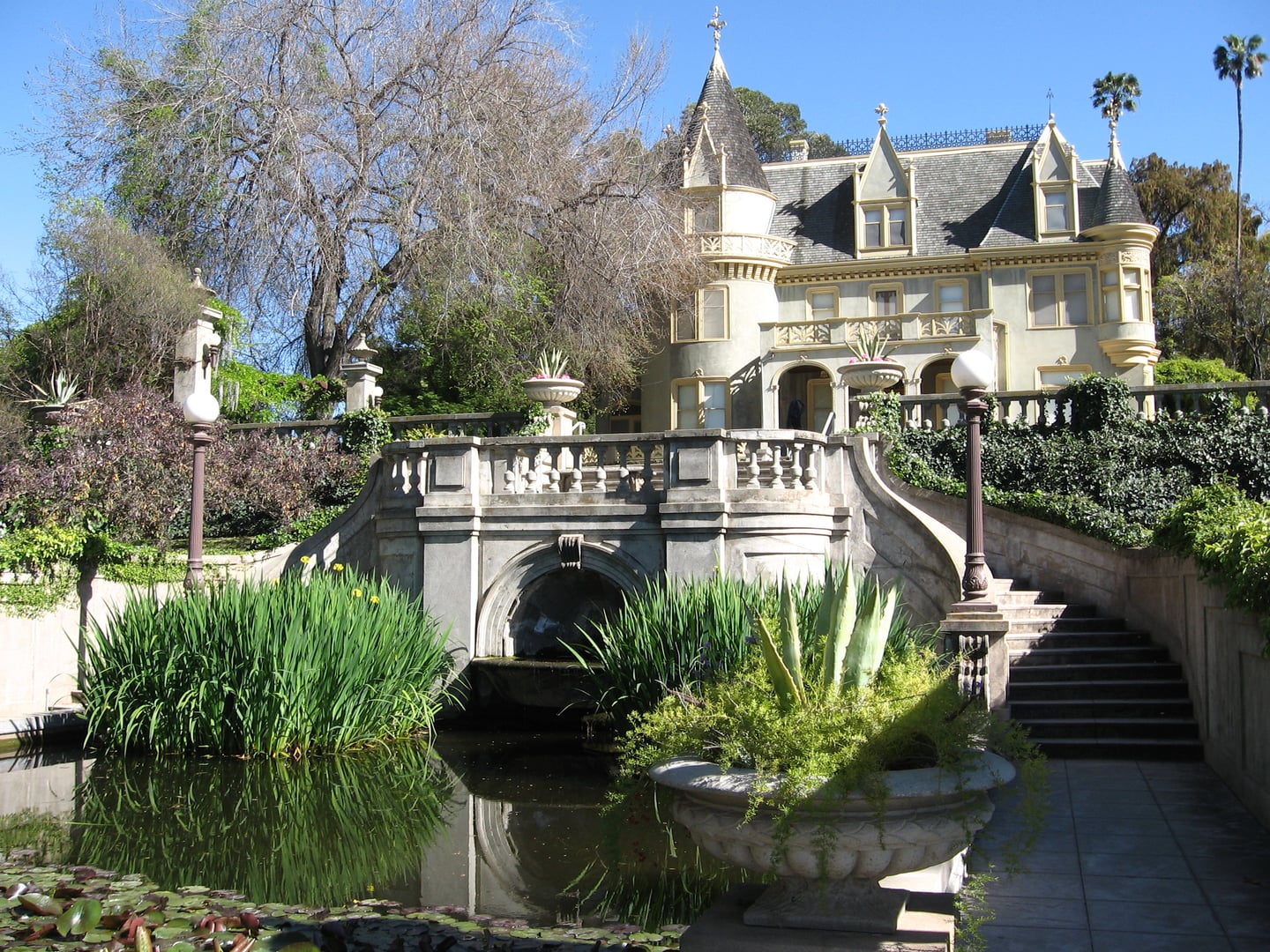
Mills College was established as a women's educational institution, eventually settling at its current Oakland campus on MacArthur Boulevard. The grounds — shaded by mature trees and anchored by Victorian-era architecture — became one of the more visually distinctive college campuses on the West Coast.
The campus's two most architecturally notable residence halls, Ethel Moore and Mary Morse, stand atop Prospect Hill and have been associated with campus ghost lore since at least 1933, when the student newspaper first documented reported sightings. History professor Bertram Gordon led campus ghost tours for decades, presenting the stories as cultural artifacts of institutional memory.
By the mid-2010s, Mills was facing a structural enrollment and financial crisis. Student enrollment had dropped roughly 30 percent over five years. In 2017, the school declared a financial emergency. Tuition was cut 36 percent — from $44,765 to approximately $29,000 — in an attempt to attract applicants. These measures were insufficient.
In September 2021, Northeastern University announced a merger agreement. The deal was finalized in June 2022. Northeastern assumed approximately $65.2 million in Mills debt and assets valued at $767.8 million, primarily land, buildings, artwork, and endowment investments. The campus is now known as Mills College at Northeastern University, and the Oakland location receives hundreds of Northeastern students each semester on short-term programs.
Sources
- https://quarterly.mills.edu/the-gregarious-ghosts-of-mills/
- https://news.northeastern.edu/2022/06/30/northeastern-mills-merger/
- https://oaklandnorth.net/2010/10/30/haunted-oakland-searching-for-the-ghosts-of-mills-college/
- https://oaklandside.org/2021/10/29/are-these-oakland-landmarks-haunted/
ApparitionsPhantom soundsResidual haunting
The ghost lore at Mills College is not anonymous or recent — it has been collected and examined since 1933 in the campus newspaper, and history professor Bertram Gordon led documented ghost tours for decades. The stories represent a century of institutional memory.
Ethel Moore Hall, one of two twin residence halls on Prospect Hill, carries the most concentrated reports. Residents have described seeing two women sitting on the downstairs couch, absorbed in studying, who are not students of record. Unexplained piano music has played in the hall when no one is at the instrument. Two rooms in the building have been closed off over the years after the residents experienced acute psychological distress; the campus tradition holds that one student died by suicide over the end of a relationship and another died similarly after her family disapproved of her intended career in film. The documentation of these deaths is folkloric rather than archival — no contemporaneous records have been publicly cited.
Mary Morse Hall's associated legend involves the service road that runs behind the building. Campus accounts trace the story to an accident involving a horse and buggy on that road. Multiple people have reported seeing a woman in period clothing emerge from the forested hillside at night, or descend the building's exterior stairs. Some accounts describe a phantom carriage pulled by visibly deteriorated horses traveling the road before fading into shadow.
In 1996, two students in Mary Morse reported waking in a darkened room to find a man in period clothing sitting at their desk, reading a newspaper. He was gone when they investigated further.
Susan Tolman Mills, one of the college's founding figures, has been reported pacing the stage at Lisser Hall, the campus theater. Others attribute the footsteps to Louis Lisser, the former music director whose name the building carries. The accounts have not been resolved into a single attribution.
Notable Entities
Susan Tolman MillsThe Woman in Period DressThe Phantom Carriage