Spanish Colonial History · San Andreas Fault · California Cryptid Lore · American Frontier History
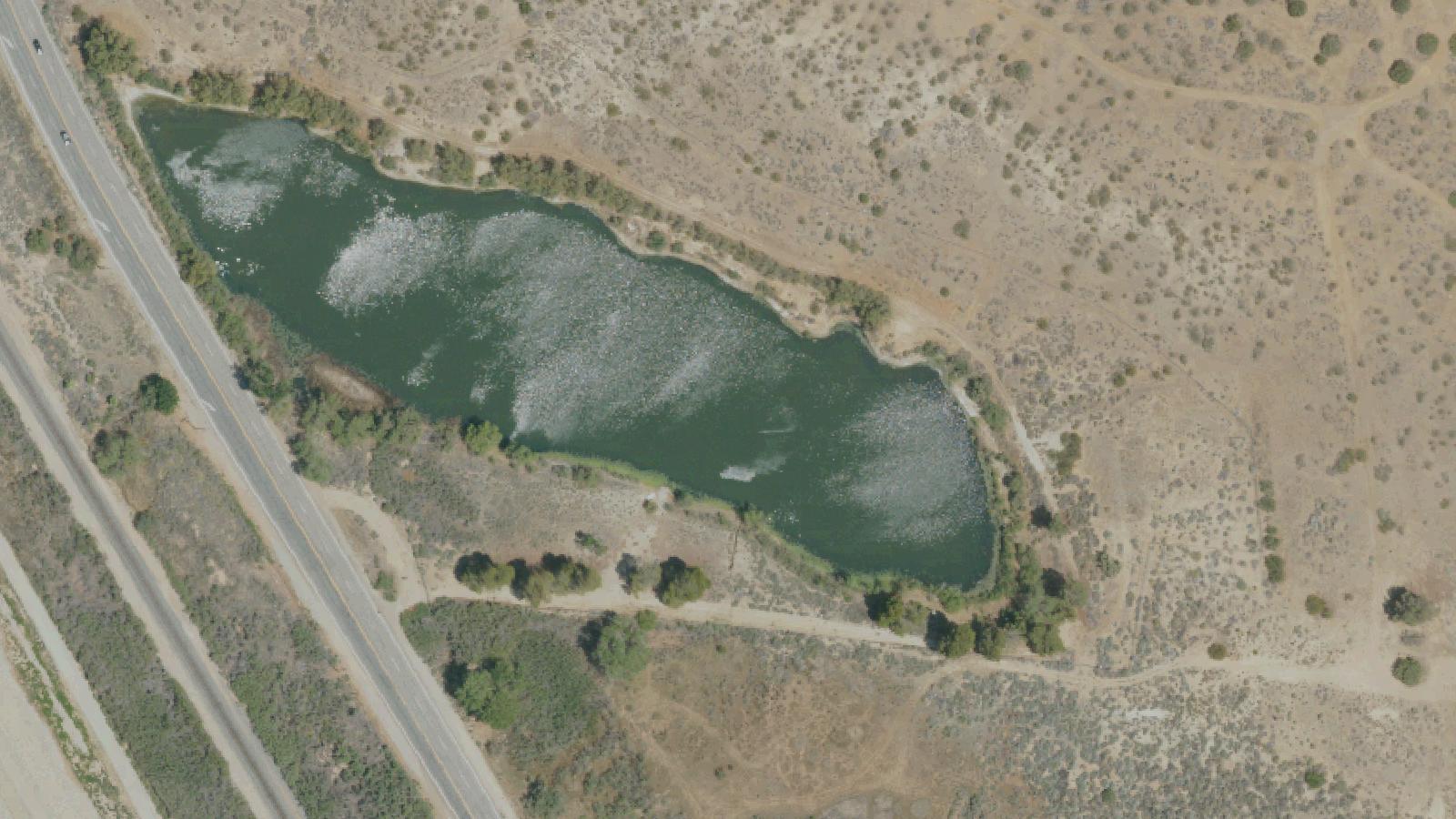
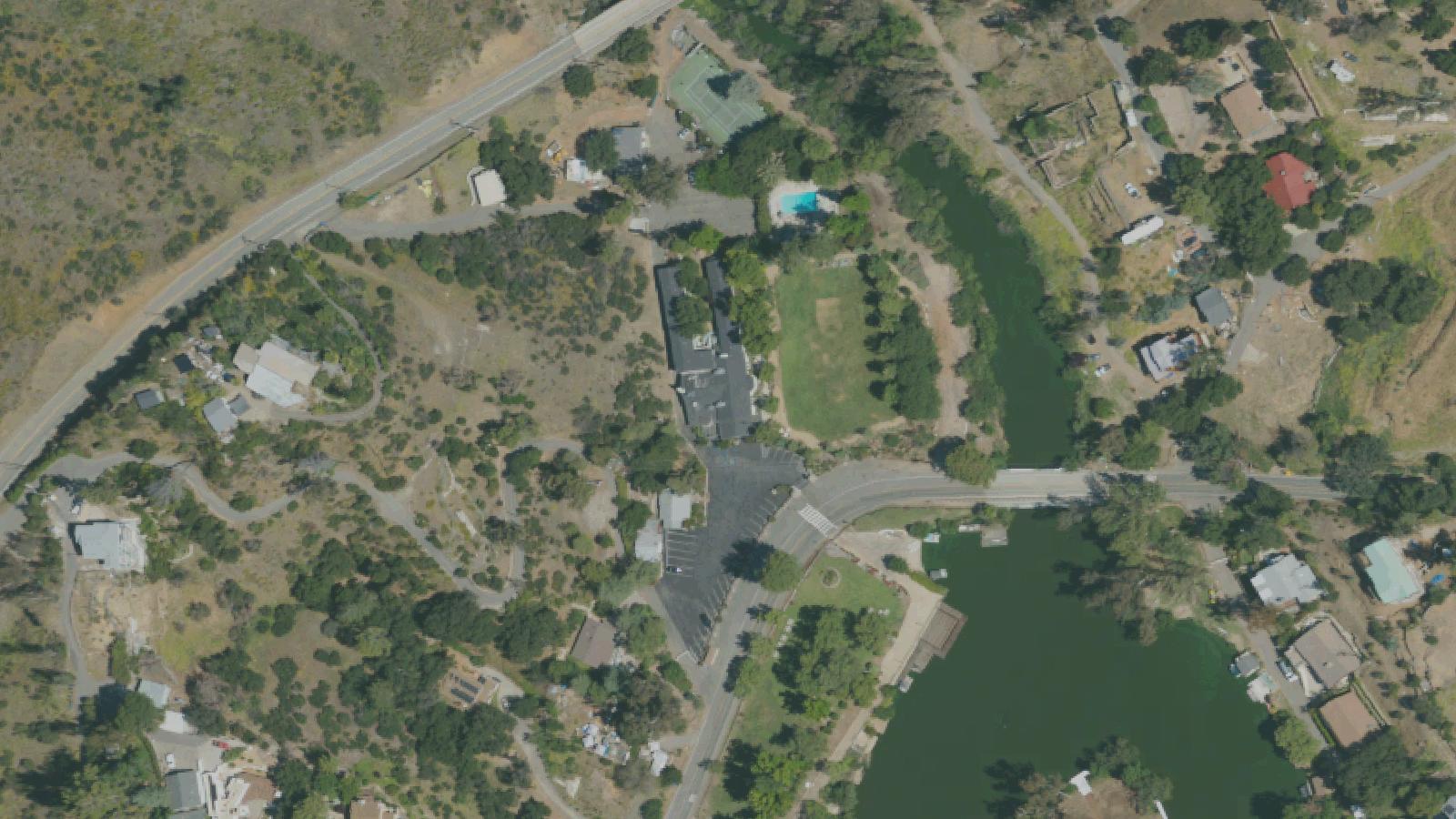
Elizabeth Lake is a natural fault-sag lake formed along the San Andreas Fault in the Sierra Pelona Mountains of northwestern Los Angeles County. The lake sits at 3,228 feet and historically fluctuated significantly with California's wet and dry cycles — it was entirely dry between 2013 and 2023 during an extended drought before refilling.
Spanish missionaries and early settlers named the lake Laguna del Diablo, a designation that SCVHistory.com traces to stories circulating well before American settlement of the area in the 1850s. The Los Angeles Times published an account on August 1, 1886 — archived by SCVHistory.com — describing the most famous monster encounter, in which rancher Don Felipe Rivera reported that a creature approximately forty feet in length with six legs and two leathery wings had killed cattle on his property.
Earlier accounts, documented by the Lancaster Museum of Art and History, describe Don Pedro Carrillo abandoning a ranch on the lakeshore in the 1830s after structures burned under mysterious circumstances. American settlers who arrived in the 1850s also left with complaints of disturbing nocturnal noises and unidentifiable sightings. The creature's description — bat wings, giraffe neck, bulldog head, six legs, fifty feet in length, and a nauseating stench — was consistent across multiple independent accounts from the 1830s through 1886, the last recorded sighting.
Local Tongva and Chumash peoples had their own traditions regarding the lake and the creature, though specific indigenous accounts have not been archived in accessible digital form. The lake's position directly on the San Andreas Fault, combined with the documented sulfurous odor associated with the site, has led historians and geologists to suggest that natural geologic activity — methane venting, seismic vibration, and the general eeriness of fault-zone terrain — may have amplified and distorted actual animal sightings into something more dramatic.
Sources
- https://scvhistory.com/scvhistory/tlp_lat080186.htm
- https://www.lancastermoah.org/single-post/the-monster-in-lake-elizabeth
- https://en.wikipedia.org/wiki/Elizabeth_Lake_(Los_Angeles_County,_California)
- https://digital-desert.com/lake-elizabeth/
Phantom smellsSensed presence
The legend of the Elizabeth Lake creature spans more than fifty years of documented accounts, beginning with Spanish settlers and continuing through the American pioneer era. The monster was first described by Spanish observers in the 1830s, when Don Pedro Carrillo's ranch on the lakeshore burned under circumstances he attributed to something living in the water. The lake's name at that time was Laguna del Diablo — the Devil's Lake — a name given by Spanish missionaries who appear to have been responding to prior accounts of strange activity around the site.
The Old West quarterly, in a 1969 article archived by SCVHistory.com, compiled multiple independent descriptions of the creature: bat wings, six legs, a neck with extraordinary length, a bulldog-shaped head, a body at least fifty feet long, and a stench described as nauseating and fetid. These details appeared consistently in accounts from different witnesses across different decades.
The most specific documented account comes from the Los Angeles Times on August 1, 1886, which reported Don Felipe Rivera's claim that the creature had eaten cattle from his property. Rivera described watching the creature enter the lake. This was the last recorded sighting.
A descendant of early Spanish explorers, identified in one archived account as having heard the original stories, recalled in 1930 the descriptions of "nauseating, fetid breath" associated with the creature. The sulfurous smell — consistent with hydrogen sulfide, which can be released in fault-zone lake systems — has been documented into the modern era by visitors to Elizabeth Lake Road, even during years when the lake was low or dry.
Notable Entities
The Monster of Elizabeth LakeThe Devil's Pet