Self-Guided Visit
Daytime Cemetery Visit
Walk the rolling hillside grounds of the Diocese of Orange's largest cemetery, the resting place of many diocesan priests, established in 1930. Visit respectfully during posted hours.
- Duration:
- 45 min
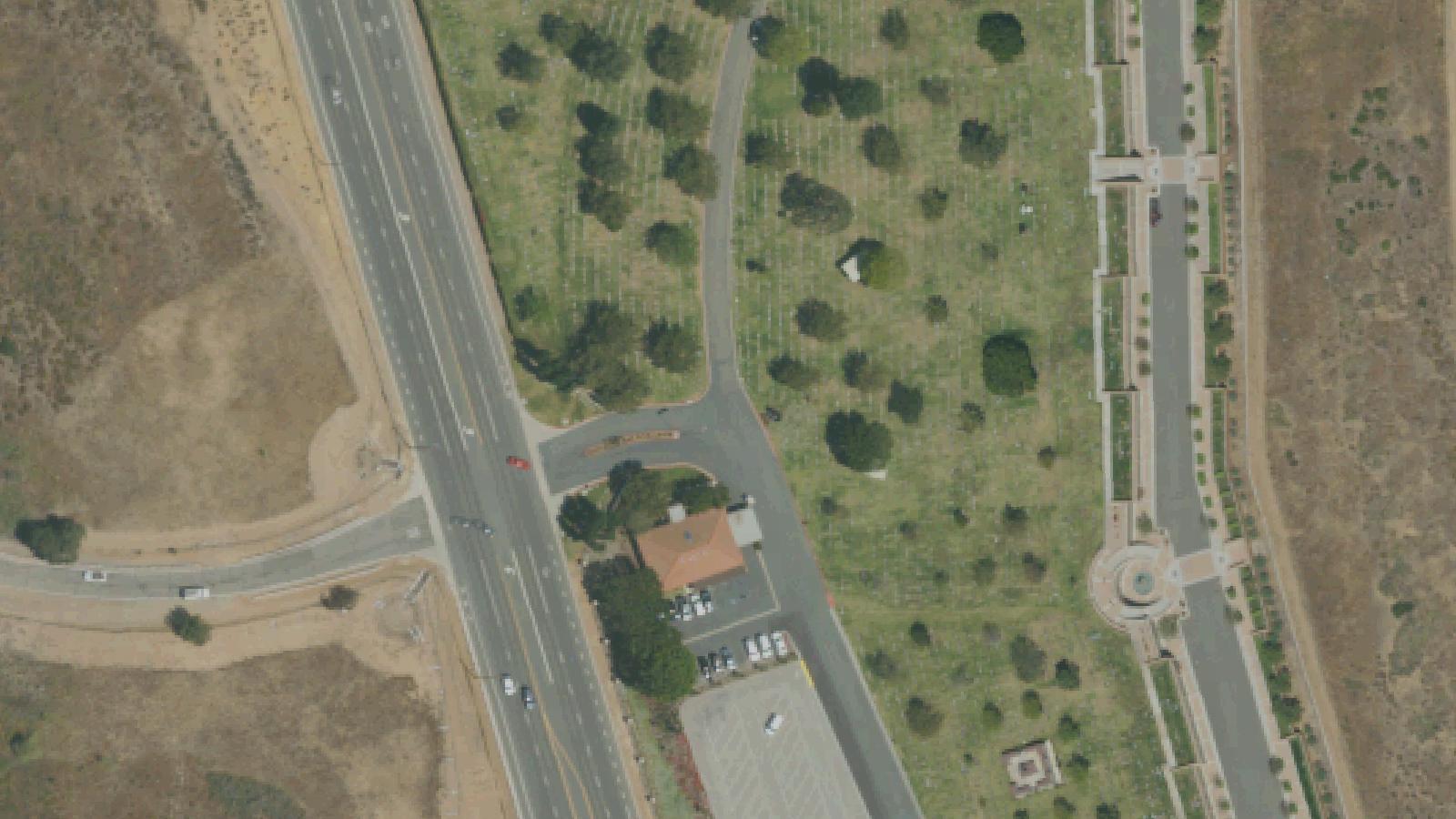 Aerial survey · USDA NAIP · public domain
A historic Catholic cemetery established in 1930 in the Santiago Canyon hills of Orange, California, where local legend describes a wandering woman in white and an unexplained candle flame that changes shape and color.
7845 E Santiago Canyon Rd, Orange, CA 92869
Research updated May 2026
Age
All Ages
Cost
Free
No admission fee; this is an active Catholic cemetery — visit respectfully during posted daytime hours.
Access
Wheelchair OK
Rolling hillside cemetery grounds with paved drives
Equipment
Photos OK
Est. 1930 · Largest cemetery of the Diocese of Orange · Resting place of many diocesan priests · Nearly a century of continuous Catholic burials
Holy Sepulcher Cemetery was established in 1930 and sits in the rolling hills along Santiago Canyon Road on the eastern edge of the city of Orange, California. It is administered by the Diocese of Orange and has grown to become the largest of the diocese's cemeteries.
The grounds serve as the final resting place for many diocesan priests as well as generations of Catholic families across Orange County. Burial records for the cemetery are catalogued through resources such as Find a Grave and Interment.net, reflecting nearly a century of continuous use since its founding.
The cemetery is set against a backdrop of rolling hills in the Santiago Canyon area, giving it an isolated, semi-rural character compared with the suburban development that surrounds much of the city of Orange. It remains an active cemetery and a recognized Orange County landmark for both its religious significance and its long history.
Its location at 7845 East Santiago Canyon Road places it in the foothills east of the urbanized core of Orange, a setting that contributes to both its peaceful daytime character and the folklore that has attached to it after dark.
Sources
Holy Sepulcher Cemetery's reputation as a haunted site centers on two recurring reports. The first is a woman in white said to roam the grounds at night, usually returning to rest in one particular location. The second, and more distinctive, is an unexplained candle flame.
According to accounts on the Shadowlands Haunted Places Index and regional coverage, the flame has been observed burning at all hours of the night — continuing even when the wind picks up, when an ordinary candle would be extinguished. Witnesses describe the light as appearing to change color and shape rather than flicker in the normal way: shifting from a complete circle to a defined half-circle to a tear shape. The light is reported in the same place each time.
CBS Los Angeles, in its roundup of Orange County's haunted graveyard sites, describes Holy Sepulcher as the nighttime haunt of a woman in white and notes the persistent burning candle whose flame changes colors and shapes. As that coverage acknowledges, no one has identified who the woman is. The reports are presented as local folklore rather than documented events, and visitors are reminded that the cemetery is active, sacred ground that should be visited only during posted daytime hours.
Notable Entities
Walk the rolling hillside grounds of the Diocese of Orange's largest cemetery, the resting place of many diocesan priests, established in 1930. Visit respectfully during posted hours.
Some links on this page may earn HauntBound a small commission when you book, at no extra cost to you. Our editorial picks are independent. Full disclosure
Every HauntBound history is researched from documented sources. We clearly separate verified historical fact from paranormal folklore.
Free Guide
10 verified stops, rated for families, mapped in order. Free.
One email to confirm, then the guide link. Unsubscribe anytime.
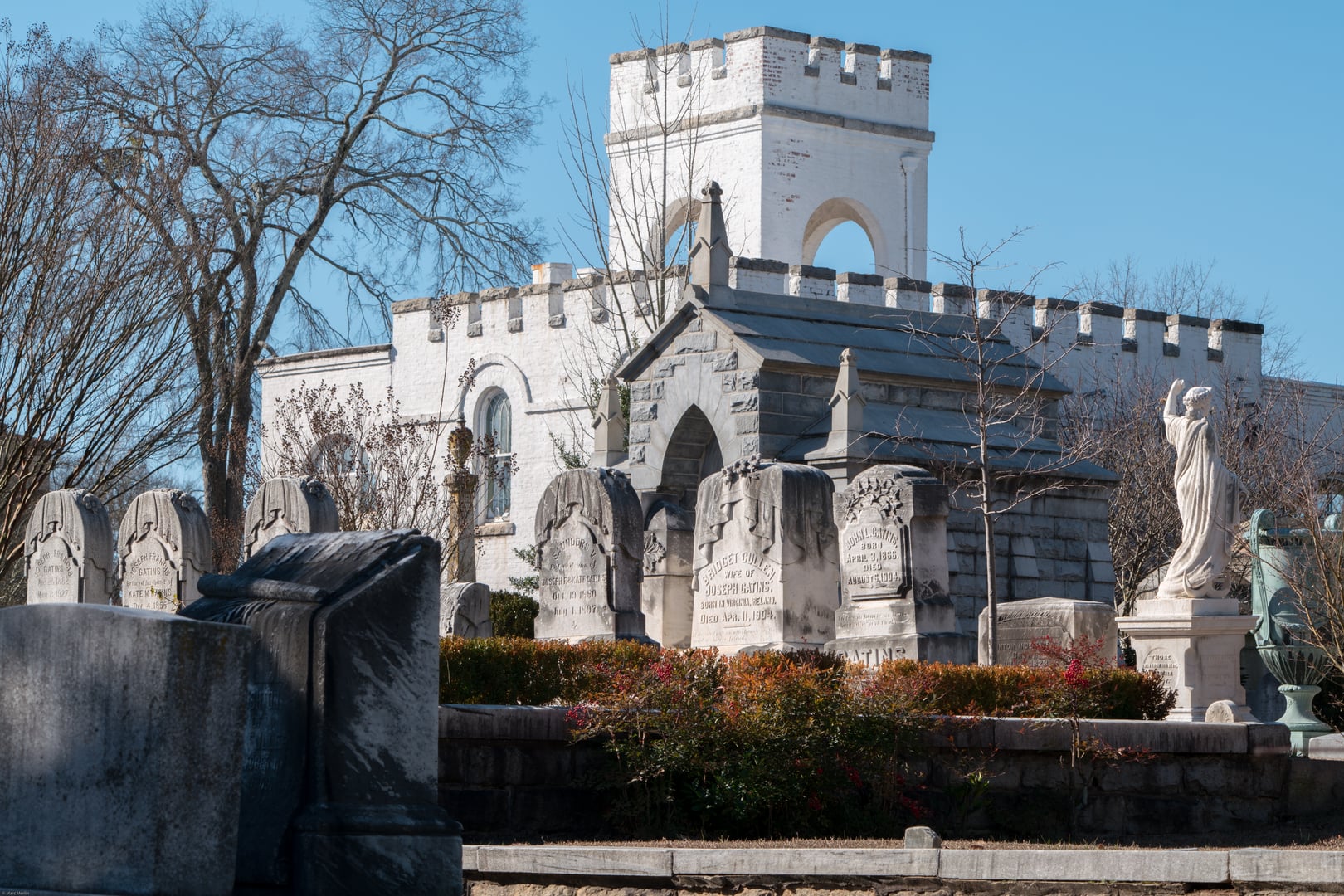
Atlanta, GA
Historic Oakland Cemetery was chartered in 1850 as the six-acre 'Atlanta Cemetery,' renamed Oakland in 1872, and expanded to 48 acres. Approximately 70,000 people are interred, including roughly 6,900 Confederate soldiers (3,000 unidentified), four Confederate generals, six Georgia governors, 27 Atlanta mayors, Margaret Mitchell, golfer Bobby Jones, and Maynard Jackson, Atlanta's first African American mayor. The cemetery was listed on the National Register of Historic Places on April 28, 1976.
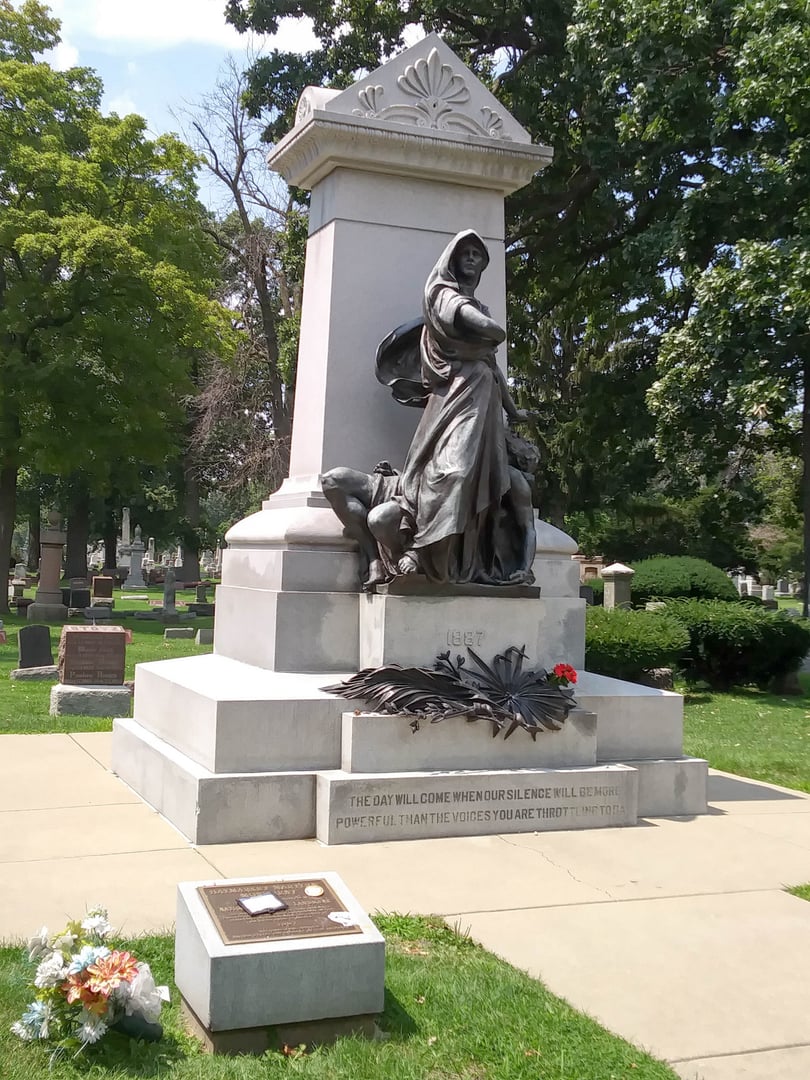
Forest Park, IL
Forest Home Cemetery in Forest Park, Illinois, grew from two adjacent cemeteries — German Waldheim (established 1873) and Forest Home (1876) — which merged in February 1969. The 220-acre site was chosen as a non-denominational burial ground, a policy that made it the only Chicago-area cemetery willing to accept the bodies of the Haymarket defendants in 1887.
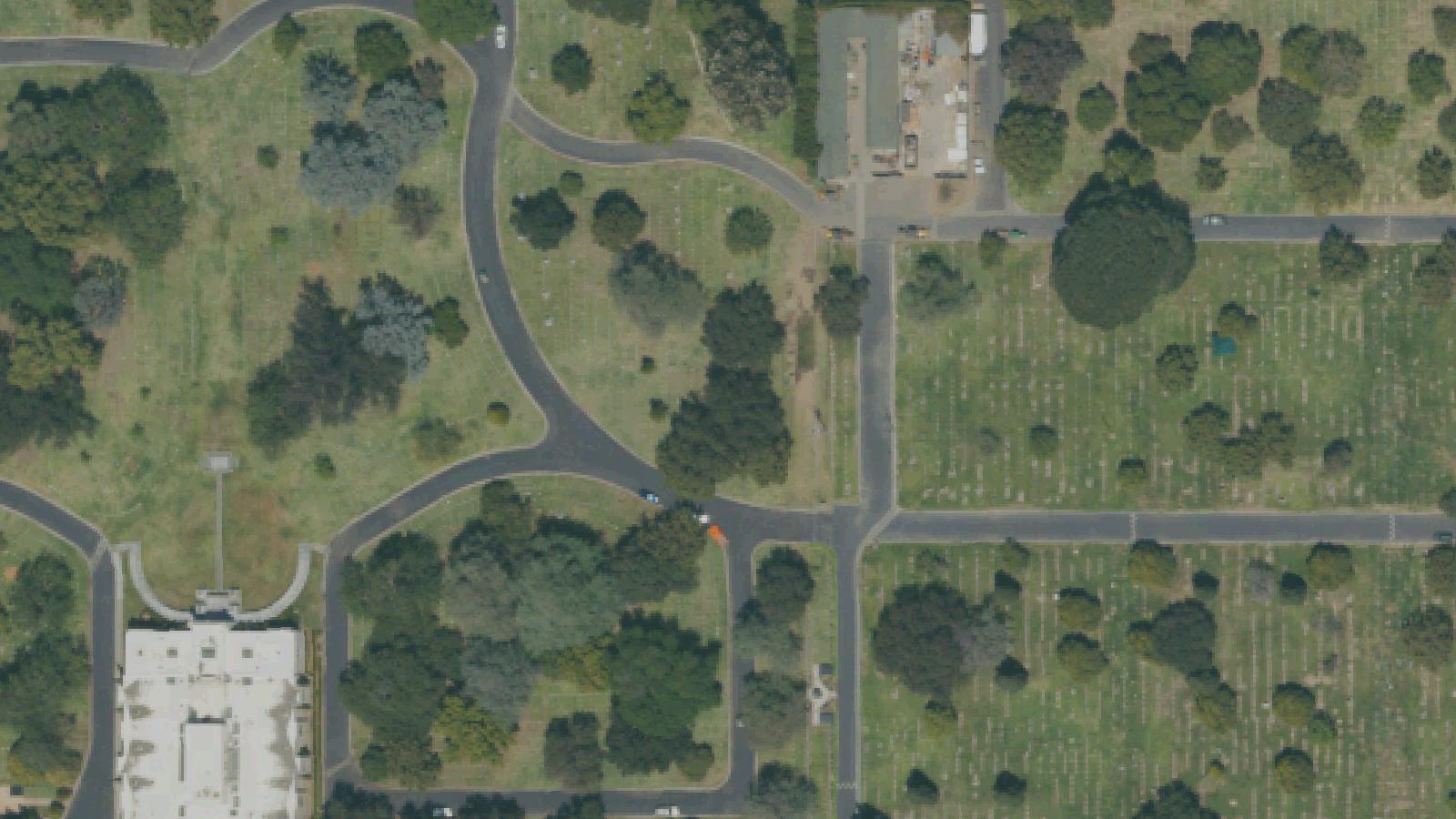 Aerial survey · USDA NAIP
Santa Ana, CA
Fairhaven Memorial Park was founded on August 28, 1911, by Oliver L. Halsell and local businessmen who envisioned a park-like memorial landscape rather than a traditional upright-monument cemetery. The historic mausoleum, built between 1916 and 1920, is one of Orange County's first mausoleums and crematories. The 73-acre park is the final resting place of many of Orange County's founding families.