Est. 1902 · Jonestown Massacre Mass Grave · Largest Pre-9/11 American Civilian Mass Death · Peoples Temple History · Memorial Unveiled 2011
When 918 people died at Jonestown, Guyana on November 18, 1978, the U.S. government faced a logistical and ethical problem with no precedent in peacetime American history. The bodies had to be repatriated. The majority of the dead had been members of the San Francisco congregation of the Peoples Temple, and many had family in the Bay Area. But approximately 409 of the victims went unclaimed — some because family members had also died at Jonestown, some because relatives were estranged or unable to be found, and some because the sheer scale of the death made the claims process unworkable in the weeks after the event.
After the unclaimed bodies sat in military warehouses at Dover Air Force Base for nearly a year — a delay driven by legal disputes over what to do with them — the Peoples Temple attorney Charles Garry and other advocates arranged for burial in Oakland. Evergreen Cemetery, a municipal cemetery in East Oakland founded in 1902, accepted the remains. The 409 unclaimed victims were interred in a mass grave in 1979.
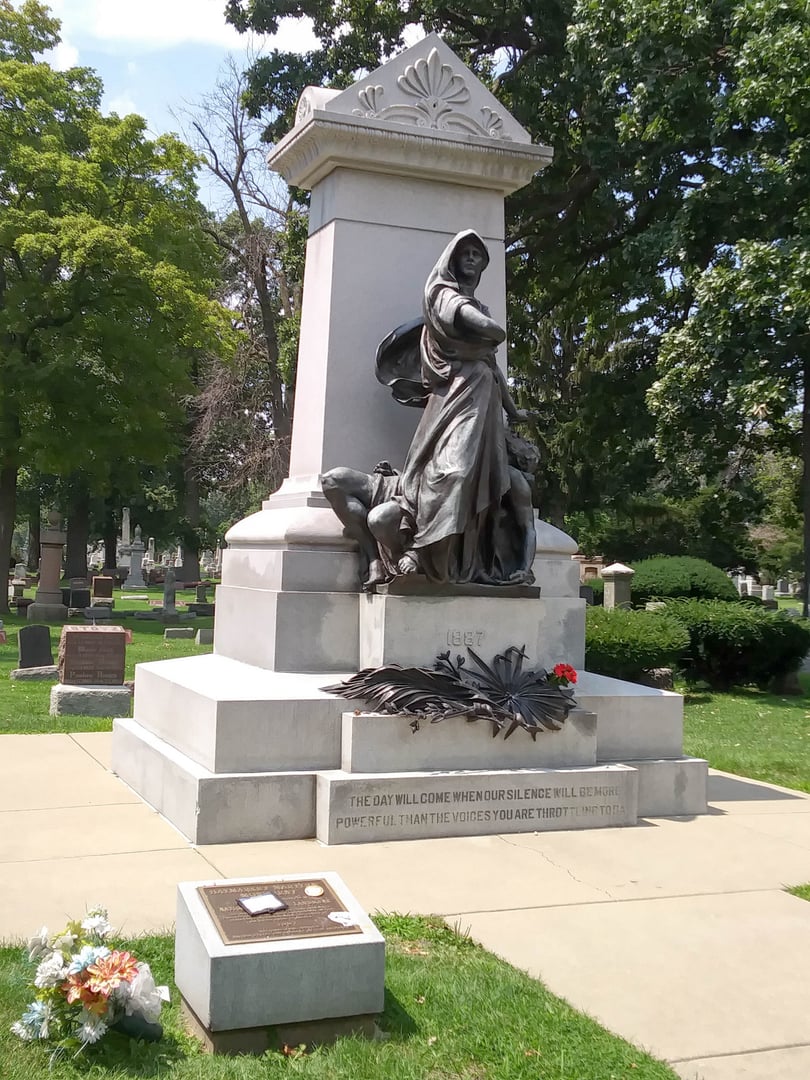
A small marker existed at the site for years, but controversy over a proper memorial developed around a central dispute: whether Jim Jones, whose remains were also cremated and buried at Evergreen after his body was repatriated from Guyana, should be named alongside his victims. Survivors and family members were divided. After decades of argument and several failed memorial efforts, a granite monument was unveiled on November 18, 2011 — the 33rd anniversary of the massacre — listing all 918 names. Jim Jones's name appears on the monument.
The cemetery holds annual November 18 commemorative services. The Peoples Temple survivors community, based largely in the San Francisco Bay Area, maintains an ongoing relationship with the site. The SDSU Jonestown Project and the California Sun have documented the memorial's history and the community that continues to gather there.
Sources
- https://oaklandside.org/2023/11/17/evergreen-cemetery-east-oakland-jonestown-memorial/
- https://www.californiasun.co/how-oakland-became-the-resting-place-for-victims-of-the-jonestown-massacre/
- https://www.roadsideamerica.com/tip/20746
- https://jonestown.sdsu.edu/
Disembodied voicesWeeping soundsAmbient presence
Evergreen Cemetery does not market itself as a paranormal destination, and the survivor community associated with Jonestown has been explicit that the site should be treated as a memorial rather than a dark tourism attraction. The cemetery management and Peoples Temple survivor organizations have asked that visitors be respectful and refrain from behavior appropriate to ghost tourism.
With that context stated: accounts from cemetery staff and regular visitors do describe unusual experiences near the mass grave area, particularly around the November 18 anniversary. The most consistent are sounds — crying, voices at the edge of audibility — in cemetery sections confirmed to be empty. These accounts are not documented in paranormal investigation records because no organized investigation team has been given access to the site for that purpose, nor would one be welcome.
The California Sun reporting on the site's history includes testimonies from family members who describe feeling their relatives' presence at the memorial during anniversary services. Whether this constitutes a haunting or grief is a question the community does not generally separate. 918 people died — the majority of them San Franciscans who did not choose to go to Jonestown or had no means to leave when they wanted to. The memorial carries that weight regardless of what explanation one applies to the sounds.
Where this legend is told