Est. 1927 · Library History · National Register of Historic Places · Georgian Revival Architecture
Library services in Cypress Park, Los Angeles, began in 1912 with a deposit station at a local school. By 1920 a dedicated rental storefront on West Avenue 28 — known as the Dayton Avenue Branch — provided the neighborhood's first formal lending library. The community subsequently raised bond money for a purpose-built facility.
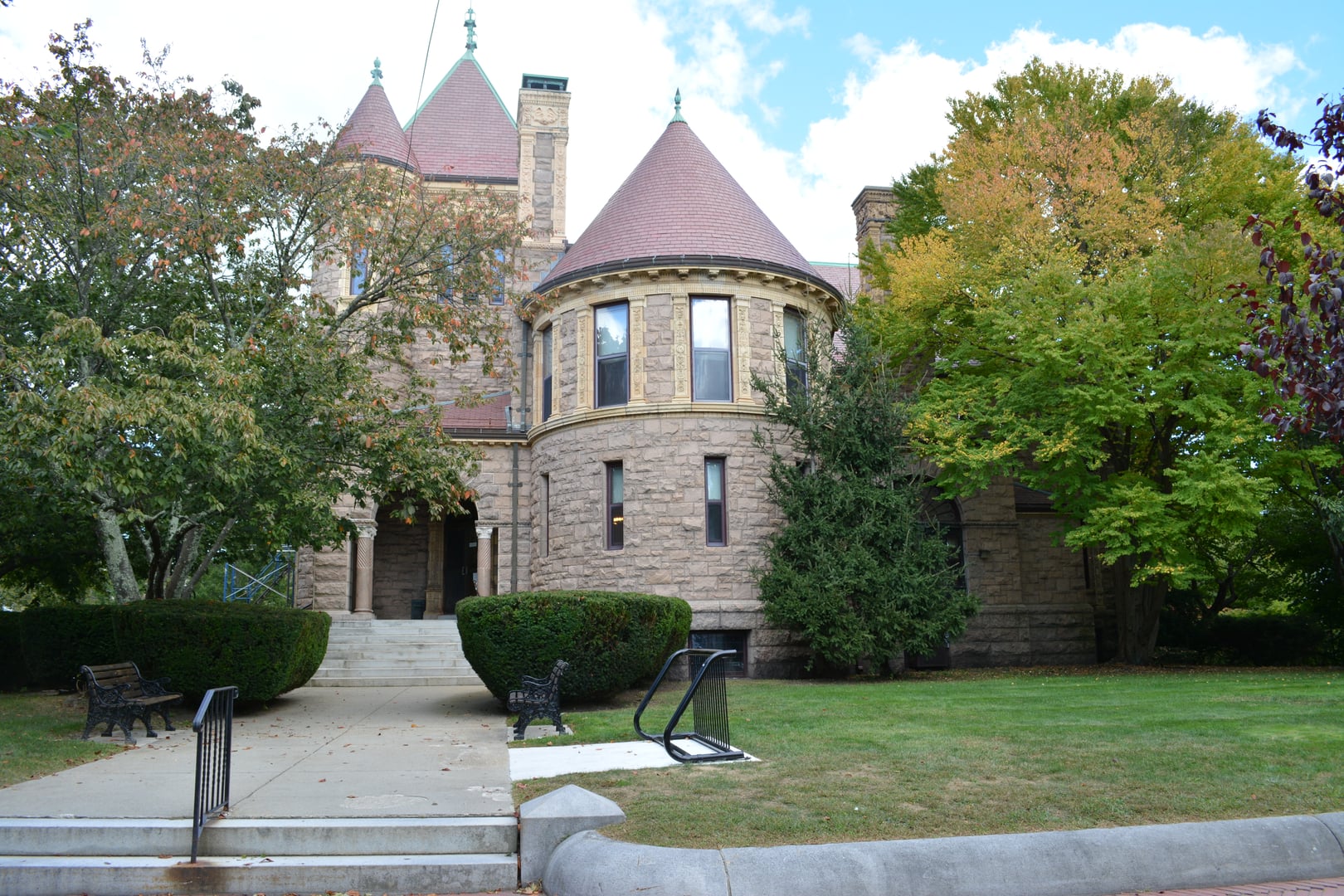
The resulting building, opened on May 3, 1927, was designed by architect Harry S. Bent in the Georgian Revival style. It stood at the corner of Cypress Avenue and Pepper Street, its brick exterior and symmetrical facade distinguishing it from the surrounding residential blocks. The branch operated under the Los Angeles Public Library system, serving the working-class and immigrant communities of the Cypress Park area through most of the 20th century.
In 1987, the 1927 building was included in a thematic group submission to the National Register of Historic Places alongside several other historic LAPL branch buildings. By 2003, the library system had opened a new branch at 1150 Cypress Avenue to replace the aging 1927 structure. The original building was transferred to the Los Angeles Department of Recreation and Parks and reopened as the Cypress Park Clubhouse on December 14, 2015.
The current branch at 1150 Cypress Avenue completed a $3 million low-carbon renovation that added LED lighting and energy-efficient systems, reopening in early 2026.
Sources
- https://www.lapl.org/branches/cypress-park
- https://theclio.com/entry/165411
- http://historichighlandpark.blogspot.com/2011/05/old-cypress-park-branch-library-is-new.html
ApparitionsCold spotsPhantom voices
The paranormal accounts associated with the Cypress Park Branch Library are tied to the 1927 Georgian Revival building, not the current 2003 branch. A former library worker reported encountering a translucent male figure near the building's old fireplace — a substantial architectural feature in the original Bent design. The figure floated; it did not walk.
In the men's room, patrons and staff described hearing whispers with no identifiable source. Cold spots were reported in two specific areas: near the occult section (where the library maintained its collection of esoteric and paranormal texts) and around the fireplace itself. The clustering of cold spots in these two locations — the fireplace as a focal point of the room's architecture, the occult section as its subject matter — has the quality of local legend tidied into satisfying symmetry.
No specific identity has been assigned to the figure near the fireplace. No historical account of a death inside the building has been documented. The reports circulate in regional paranormal aggregators but lack first-person primary source documentation. The building's long history of serving diverse and changing communities — across nearly eight decades of operation — offers ample material for the accumulation of atmospheric residue, whatever one makes of that.