Self-Guided Visit
Campus Exploration
Tour the California Baptist University campus, including mission-style buildings and the W.E. James Building which contains basement catacombs.
- Duration:
- 2 hr
HauntBound archive · catalog record
Reported phenomena, as catalogued
Riverside campus with asylum history and catacomb tunnels
Riverside, CA 92504
Research updated June 2026
Age
All Ages
Cost
Free
Free - Public campus access
Access
Wheelchair OK
Paved with basement access
Equipment
Photos OK
Est. 1954 · Institutional History · Fraternal Organization Facility
The land where California Baptist University currently operates hosted institutional facilities during the early 20th century. The New Homes of Woodcraft, a retirement and care facility for elderly members of a fraternal organization, occupied the site from the 1920s forward. California Baptist University acquired the property in 1954 and integrated the existing structures into campus infrastructure.
The W.E. James Building—commonly referred to as 'Old James'—represents the primary surviving structure from the pre-university institutional period. The building retains its original architectural features and historical character.
The campus incorporates an extensive underground tunnel system historically referred to as 'catacombs.' These tunnels originally served storage and utility functions rather than residential purposes. Research has established that the catacomb system was not part of a former insane asylum complex, despite popular campus legend.
A separate insane asylum existed in San Bernardino—not Riverside—and was operated by the land donor, who served as a trustee. This institutional connection created historical confusion that eventually evolved into the widespread but inaccurate legend of asylum occupation on the California Baptist University site.
Sources
The paranormal legend associated with California Baptist University centers on claims of former asylum occupation and abuse. According to this widely circulated campus narrative, the buildings were previously part of an insane asylum where mentally ill patients were confined and, in some accounts, tortured in the basement catacombs.
The legend describes knocking sounds emanating from secret catacomb doors during night hours. When approached, students report finding open doors with cold air rushing outward from the tunnel system. The implication is that the cold originates from the underground space maintaining lower temperatures than surrounding areas.
Reports describe random opening of secret catacomb entrances scattered throughout the campus—sealed access points that mysteriously unseal and reveal freezing air emanating from below.
However, historical research has established that this legend is not factually accurate. The campus was not built on an asylum site. The W.E. James Building housed a retirement care facility for fraternal organization members, not psychiatric patients. The land donor's connection to an asylum in San Bernardino—as a trustee rather than operator—appears to be the source of the misidentification.
The catacomb system does exist and can be accessed, but was designed as storage rather than confinement or torture facilities. The cold air and occasional mysterious opening of doors likely result from environmental factors rather than paranormal activity.
Tour the California Baptist University campus, including mission-style buildings and the W.E. James Building which contains basement catacombs.
Some links on this page may earn HauntBound a small commission when you book, at no extra cost to you. Our editorial picks are independent. Full disclosure
Every HauntBound history is researched from documented sources. We clearly separate verified historical fact from paranormal folklore.
Free Guide
10 verified stops, rated for families, mapped in order. Free.
One email to confirm, then the guide link. Unsubscribe anytime.
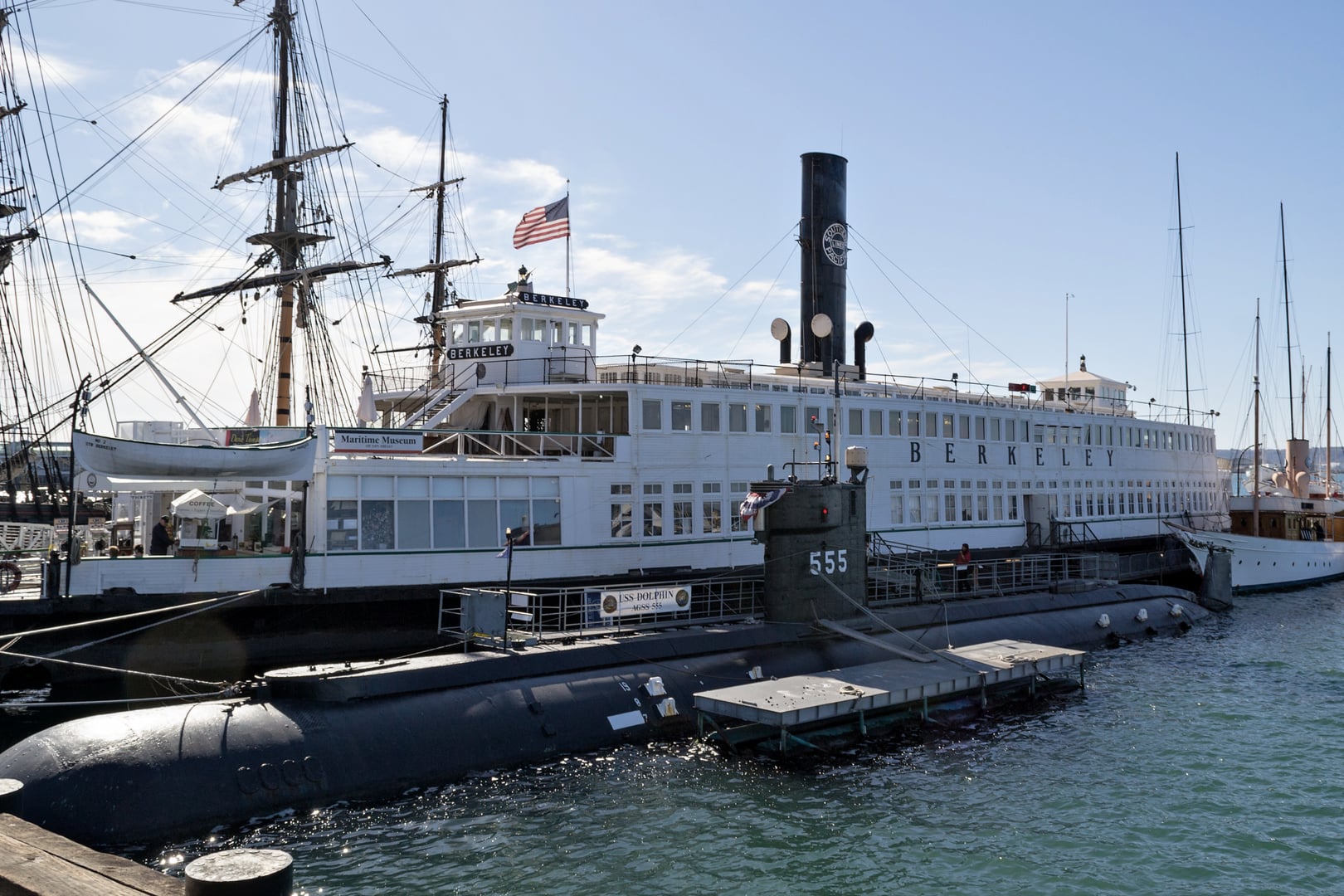
San Diego, CA
Built in 1898 by Union Iron Works in San Francisco, the steam ferryboat Berkeley served San Francisco Bay for 60 years and ferried survivors during the 1906 earthquake. Retired in 1958, it was acquired by the Maritime Museum of San Diego in 1973 and designated a National Historic Landmark in 1990.
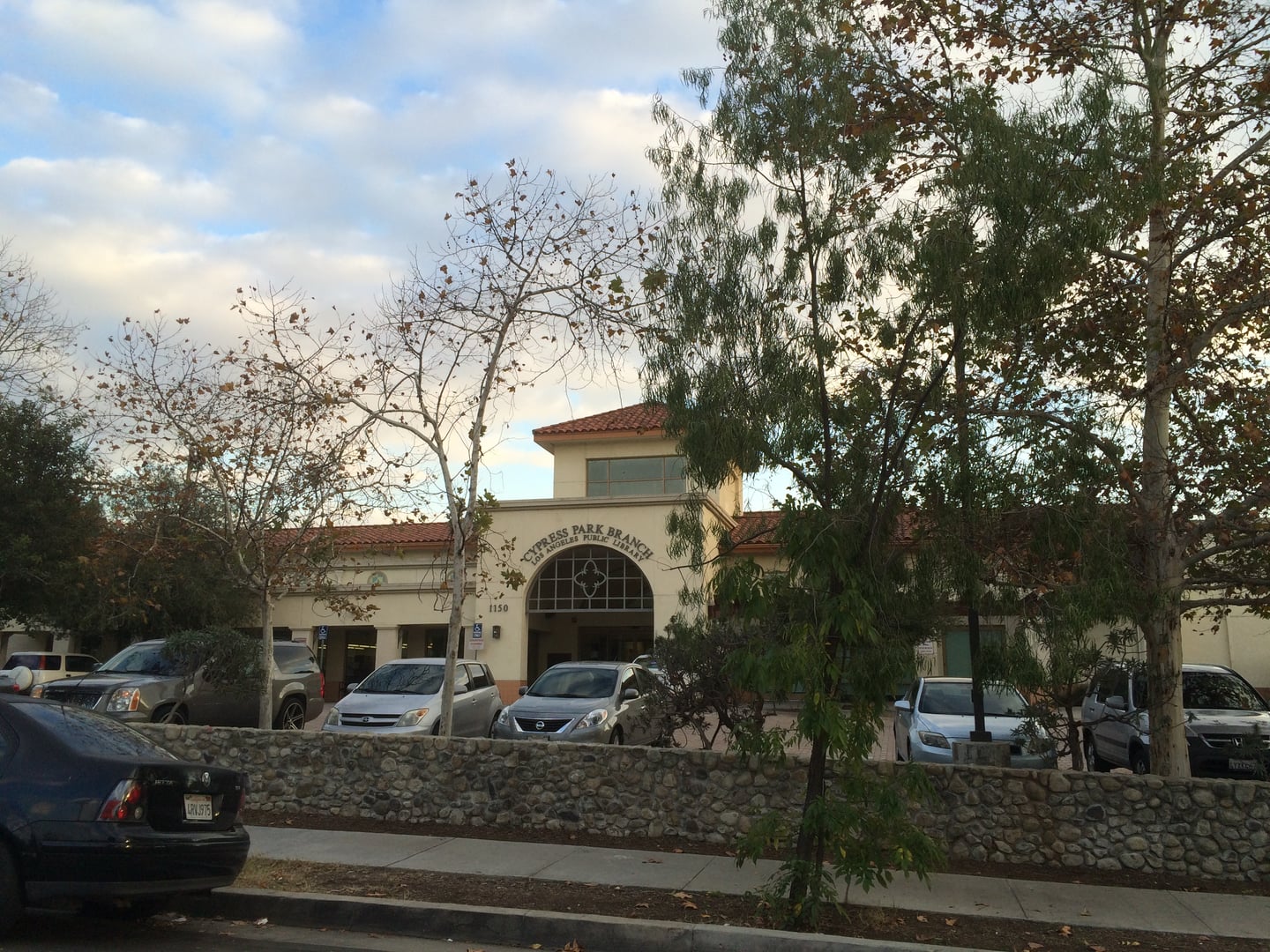
Los Angeles, CA
The Cypress Park neighborhood of Los Angeles has been served by a public library branch since 1920. The original branch building — a Georgian Revival structure designed by architect Harry S. Bent — opened in 1927 at the corner of Cypress Avenue and Pepper Street. The current branch at 1150 Cypress Avenue opened in 2003. The 1927 building was added to the National Register of Historic Places in 1987 and now operates as the Cypress Park Clubhouse.
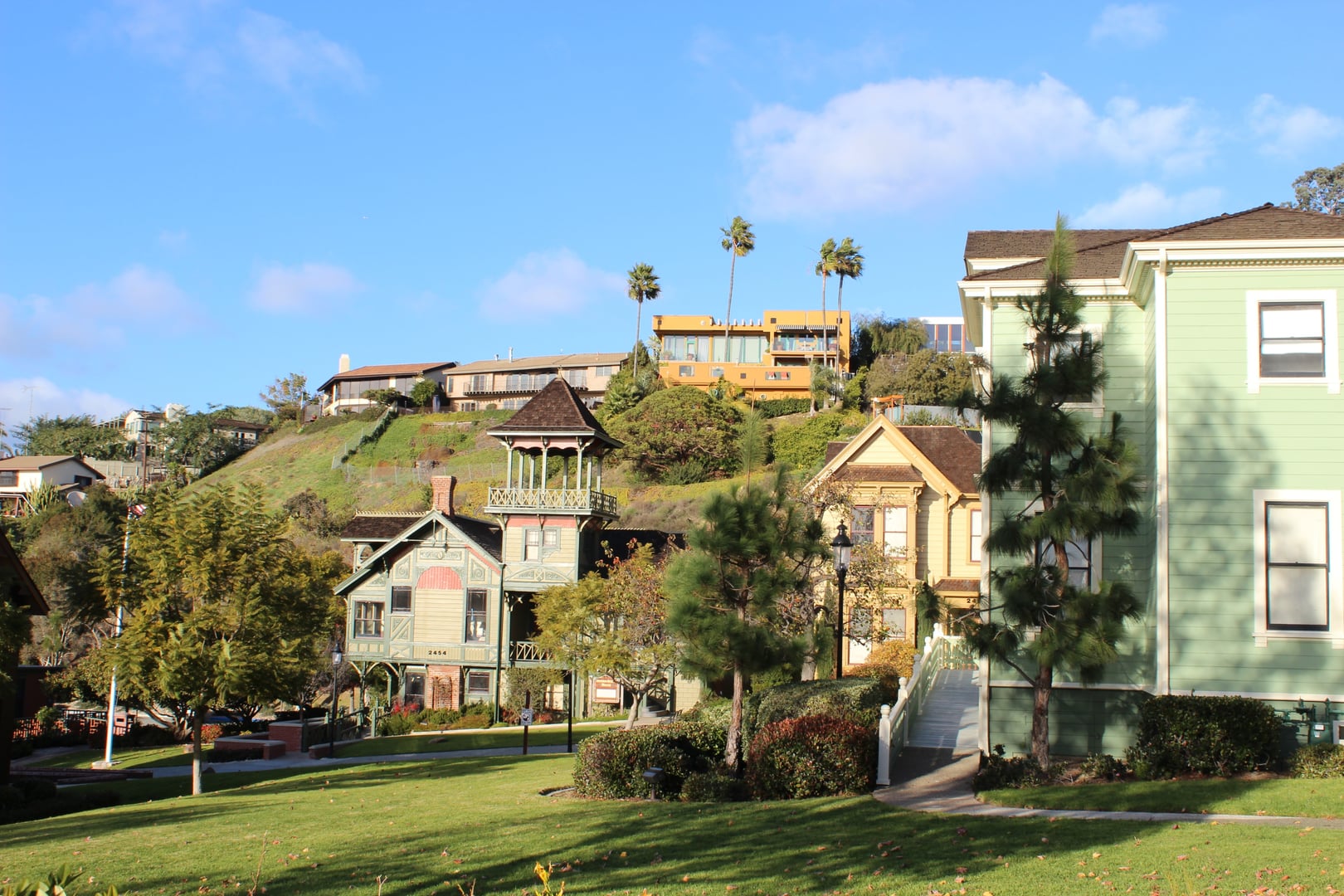
San Diego, CA
Heritage County Park is an 8-acre San Diego County park preserving seven Victorian structures relocated from demolition threats across the city between 1971 and 1981. The collection includes six 1880s residential homes and Temple Beth Israel (1889), San Diego's first Jewish congregation building.