Est. 1868 · Silver Mining Baron · Mining Transportation Pioneer · Victorian Mining Mansion · Cerro Gordo Settlement
Mortimer Belshaw arrived at Cerro Gordo in 1868, attracted by rich galena ore deposits. Recognizing the commercial potential of the mining operation, Belshaw constructed his own smelter and engineered the first wagon road up the mountain—the "Yellow Road"—which he operated as a toll road to control silver shipments and generate revenue.
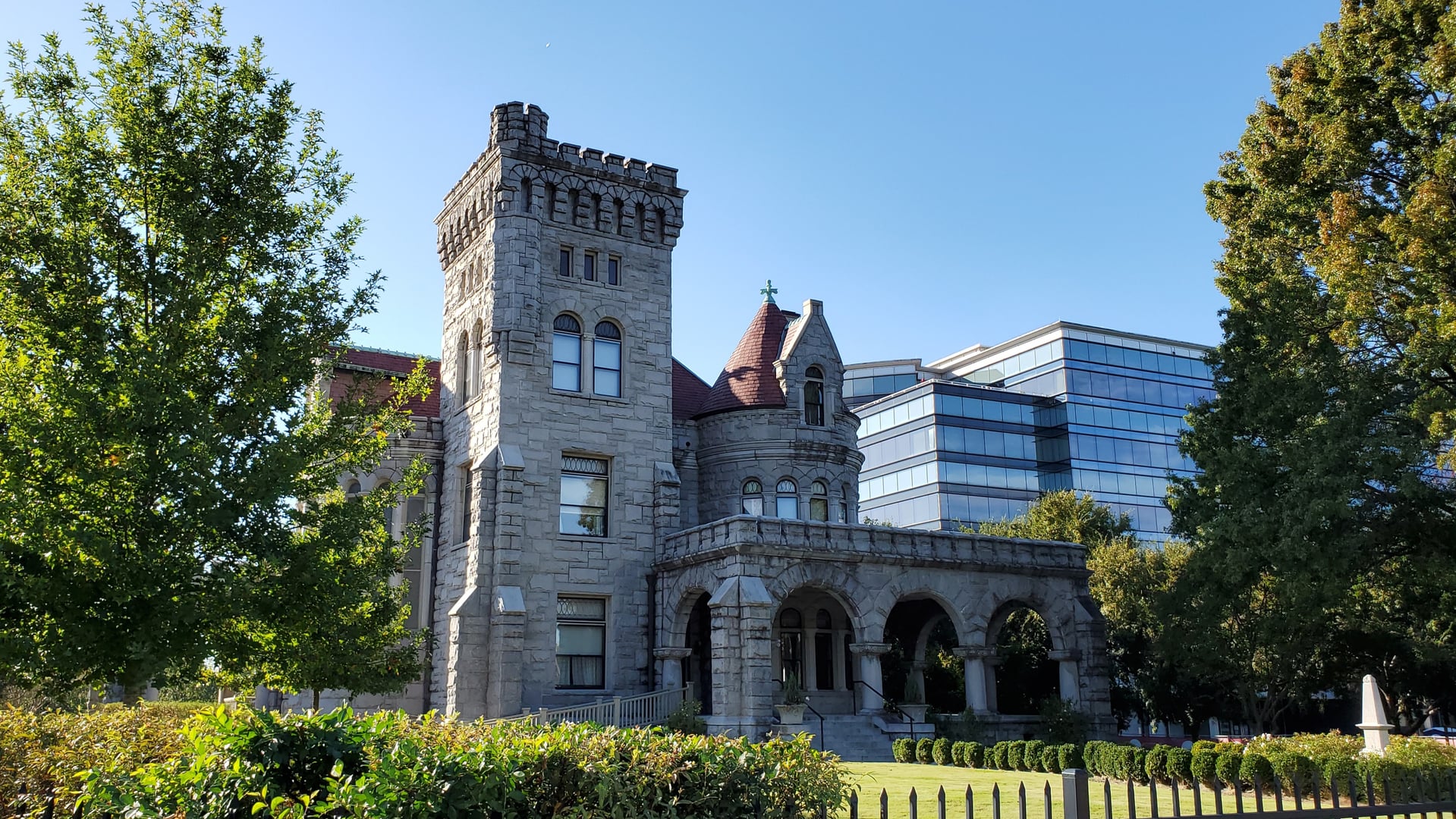
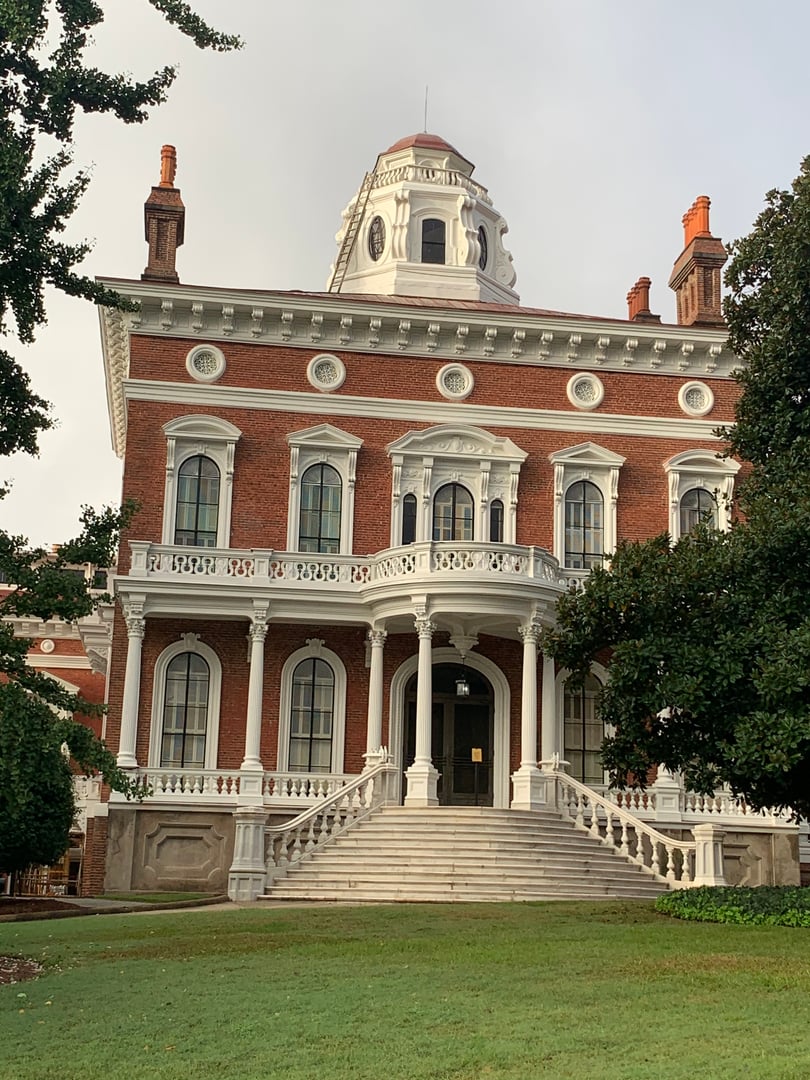
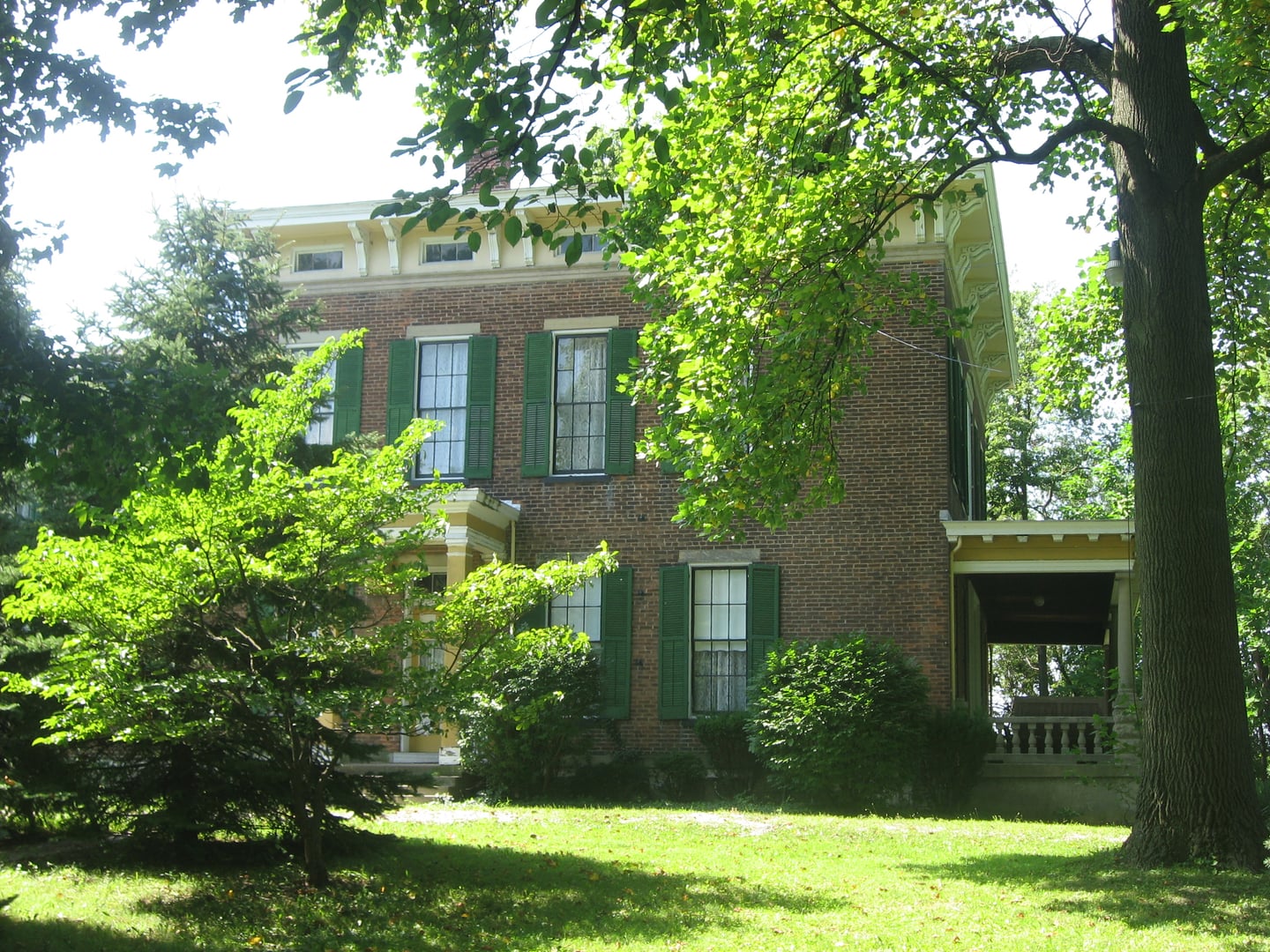
The Belshaw House, built the same year, represented the wealth and status of California's mining elite. Its architecture reflects the Victorian-era prosperity of the mining boom, featuring period furnishings and design.
Belshaw reportedly transported the first wagon load of silver from Cerro Gordo to Los Angeles, establishing the commercial viability of the mining operation. His business acumen transformed Cerro Gordo from a mineral deposit into a functioning mining town.
As mining operations declined and the Owens Valley's resources became exhausted, Cerro Gordo was abandoned, becoming a ghost town. The Belshaw House remains as a artifact of the mining era, preserved within the larger ghost town complex.
Sources
- https://en.wikipedia.org/wiki/Cerro_Gordo_Mines
- https://en.wikipedia.org/wiki/Cerro_Gordo,_California
- https://cerrogordomines.com/pages/visit
ApparitionsDisembodied laughterDisembodied screamingPhantom footstepsPhantom voicesPhantom sounds
The primary paranormal narrative at Belshaw House centers on a tragic incident occurring in the 1870s. According to local legend, two young children were playing hide-and-seek within the mansion. The children hid in a large steamer trunk located in the bedroom; the trunk's lid shut tightly and could not be opened from the inside. The children suffocated before being discovered.
Following this tragedy, numerous visitors and residents report continuous paranormal phenomena attributed to the deceased children. Witness accounts describe disembodied laughter and giggling emanating from various rooms, particularly the bedroom where the trunk remains. Screaming and violent banging sounds are heard without identifiable source, potentially representing the children's frantic attempts to escape the trunk.
Additionally, a female apparition appears in the house wearing a long, flowing dress, emerging from or near the steamer trunk. Her identity remains uncertain—possibly the mother who discovered the children, or a caretaker witnessing the tragedy.
Paranormal investigators visiting the property have documented phantom footsteps, disembodied voices, and shadowy figures. The manifestations demonstrate characteristics of both residual haunting (repeated actions and sounds tied to the original event) and intelligent haunting (responsive communication and interactive phenomena).
The remote ghost town setting and historic preservation have made the Belshaw House a destination for paranormal researchers studying mountain mining-era hauntings.
Notable Entities
Two children (steamer trunk tragedy)Woman in flowing dress
Media Appearances
- Paranormal investigations (documented)