Museum Visit
Acadia Ranch Museum Tour
Tour the historic ranch house and Oracle Historical Society collections documenting the building's life as a guest ranch, sanatorium, and morgue.
HauntBound archive · catalog record
Reported phenomena, as catalogued
+ 1 further entry on record
An 1880s Oracle ranch house that became a tuberculosis sanatorium and morgue, now an NRHP-listed museum reputed to be haunted by a devoted TB-era nurse and an entity called George.
825 East Mount Lemmon Highway, Oracle, AZ 85623
Research updated September 2026
Age
All Ages
Cost
$
Museum admission is donation-based during open hours.
Access
Limited Access
Historic two-story ranch house with stairs; uneven ground around the grounds.
Equipment
Photos OK
Listed on the National Register of Historic Places (1984) · One of Oracle's turn-of-the-century tuberculosis sanatoriums during Arizona's health-resort era · Home of the Oracle Historical Society and its museum collections
Acadia Ranch was established in the early 1880s by Edwin S. and Lillian Dodge, who built it up as a working ranch and guest house. Edwin Dodge also served as the Oracle postmaster from a post office that opened at the ranch in 1885. Around the turn of the twentieth century, the town of Oracle gained a reputation as an ideal climate for sufferers of 'consumption' — tuberculosis and other lung diseases — after the dry desert air was promoted in medical literature as restorative in the era before antibiotics.
Responding to the influx of 'lungers' seeking a cure, the Dodges began advertising rooms at Acadia in 1903 and converted the main room and parts of the house to accommodate patients, effectively turning the ranch into a tuberculosis sanatorium. Many patients did not recover, and part of the building was used as a temporary morgue. Over the decades the structure also did duty as a boarding house, a beauty salon, and continued as a post office.
The Oracle Historical Society purchased the property in 1978 and operates it today as the Acadia Ranch Museum, preserving the building and collections that document Oracle's ranching and health-resort history. In 1984 a portion of the ranch — the ranch house, an outbuilding combining a smokehouse and garage, and a water tower — was listed on the National Register of Historic Places.
The museum's layered history as a place of both healing and death has made it one of the better-known historic sites along Arizona's Copper Corridor, drawing both history visitors and paranormal investigators.
Sources
Acadia Ranch's reputation as a haunted place is tied directly to its years as a sanatorium and morgue. The best-known legend, repeated by local newspapers, ghost-tour operators, and paranormal investigators, holds that a nurse who contracted tuberculosis from her patients and died still moves through the house attending to the sick. A second named presence, 'George,' is associated with the area that once served as the temporary morgue and is described as a friendly but active spirit said to dislike the sound of vacuum cleaners.
Investigators with regional paranormal groups and visitors on the museum's ghost tours have reported disembodied footsteps and voices, children's voices, doors opening and closing on their own, flickering lights, shadow figures, and unexplained electrical anomalies. The site has been featured on paranormal television programs, which has amplified its reputation along the Copper Corridor.
An older anonymous account adds a detail not found in the better-documented sources: a spirit said to dislike artwork hung on the north wall of the main room, repeatedly removing pieces to the floor overnight. This particular claim circulates on user-submitted folklore indexes and is presented here as unverified local lore rather than documented activity.
Notable Entities
Media Appearances
Tour the historic ranch house and Oracle Historical Society collections documenting the building's life as a guest ranch, sanatorium, and morgue.
Evening and overnight paranormal investigations of the sanatorium and former morgue, offered by outside ghost-tour operators.
Some links on this page may earn HauntBound a small commission when you book, at no extra cost to you. Our editorial picks are independent. Full disclosure
Every HauntBound history is researched from documented sources. We clearly separate verified historical fact from paranormal folklore.
Free Guide
10 verified stops, rated for families, mapped in order. Free.
One email to confirm, then the guide link. Unsubscribe anytime.
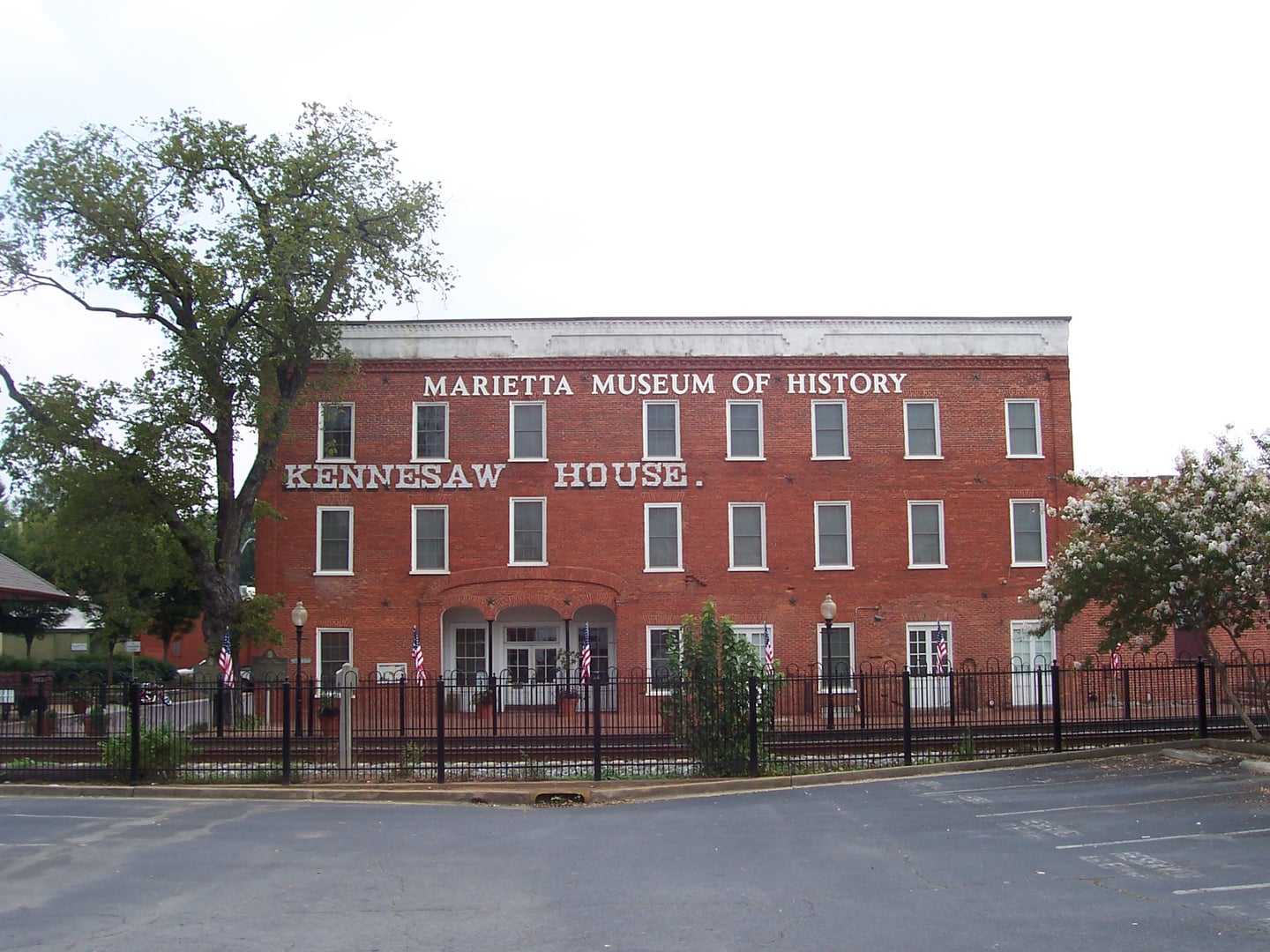
Marietta, GA
The Kennesaw House was built around 1845 as a cotton warehouse on what is now Marietta Square, adjacent to the railroad tracks that would define its Civil War history. Purchased by Dix Fletcher in 1855 and converted into the Fletcher House hotel, it served as both a staging point for the famous Great Locomotive Chase of April 1862 and as a hospital and morgue for Confederate and Union forces during Sherman's Atlanta campaign. Today it houses the Marietta History Center.
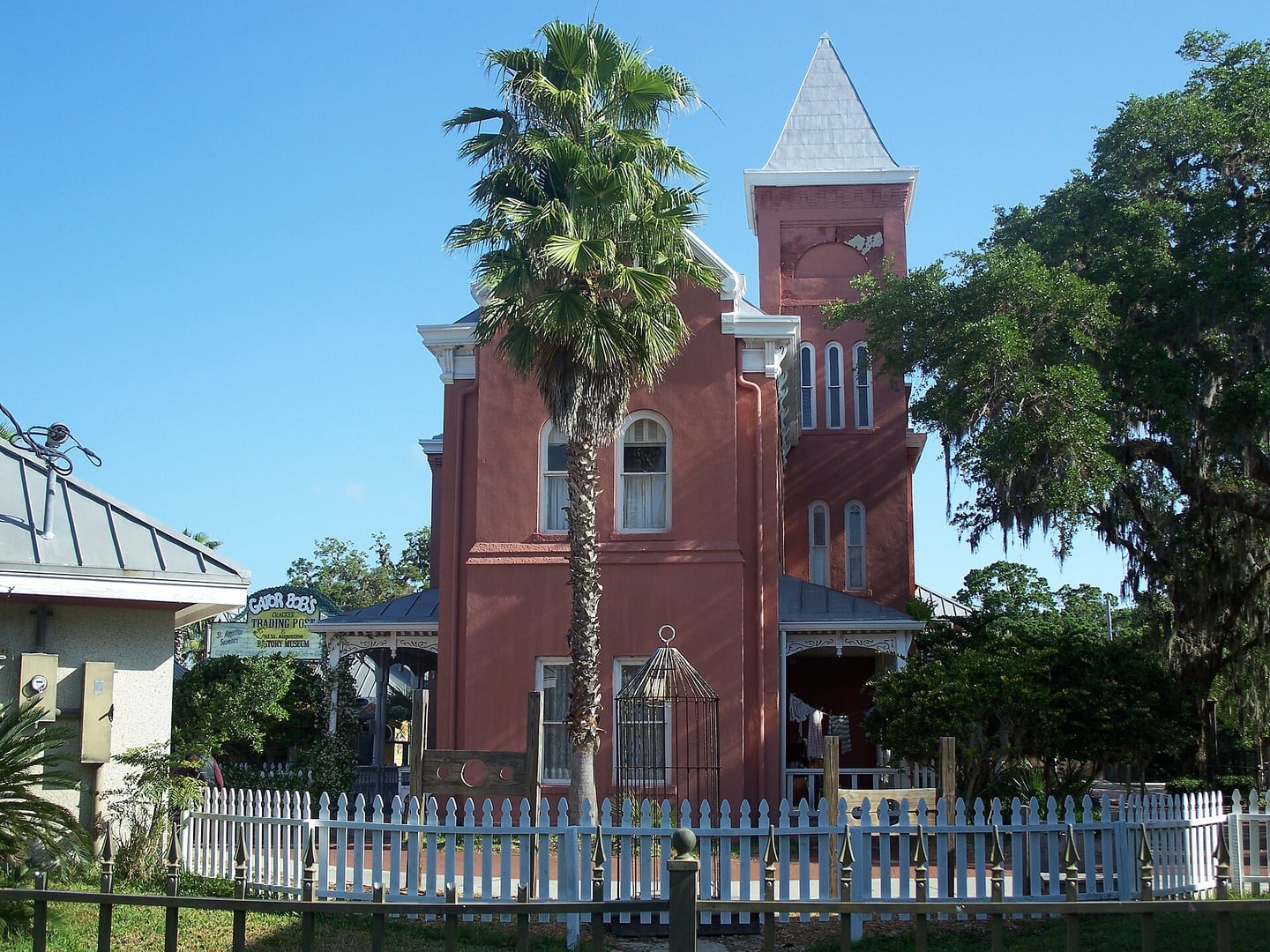
St. Augustine, FL
The Old St. Johns County Jail at 167 San Marco Avenue in St. Augustine, Florida was commissioned by railroad magnate Henry Flagler and constructed in 1891. Designed by the same architectural firm later used for Alcatraz, the facility housed prisoners under conditions so severe — one bucket per cell as a toilet, minimal diet, and labor in Flagler's fields — that it was closed in 1953. Eight documented executions occurred on site before the county converted the building to a tourist attraction in 1954.
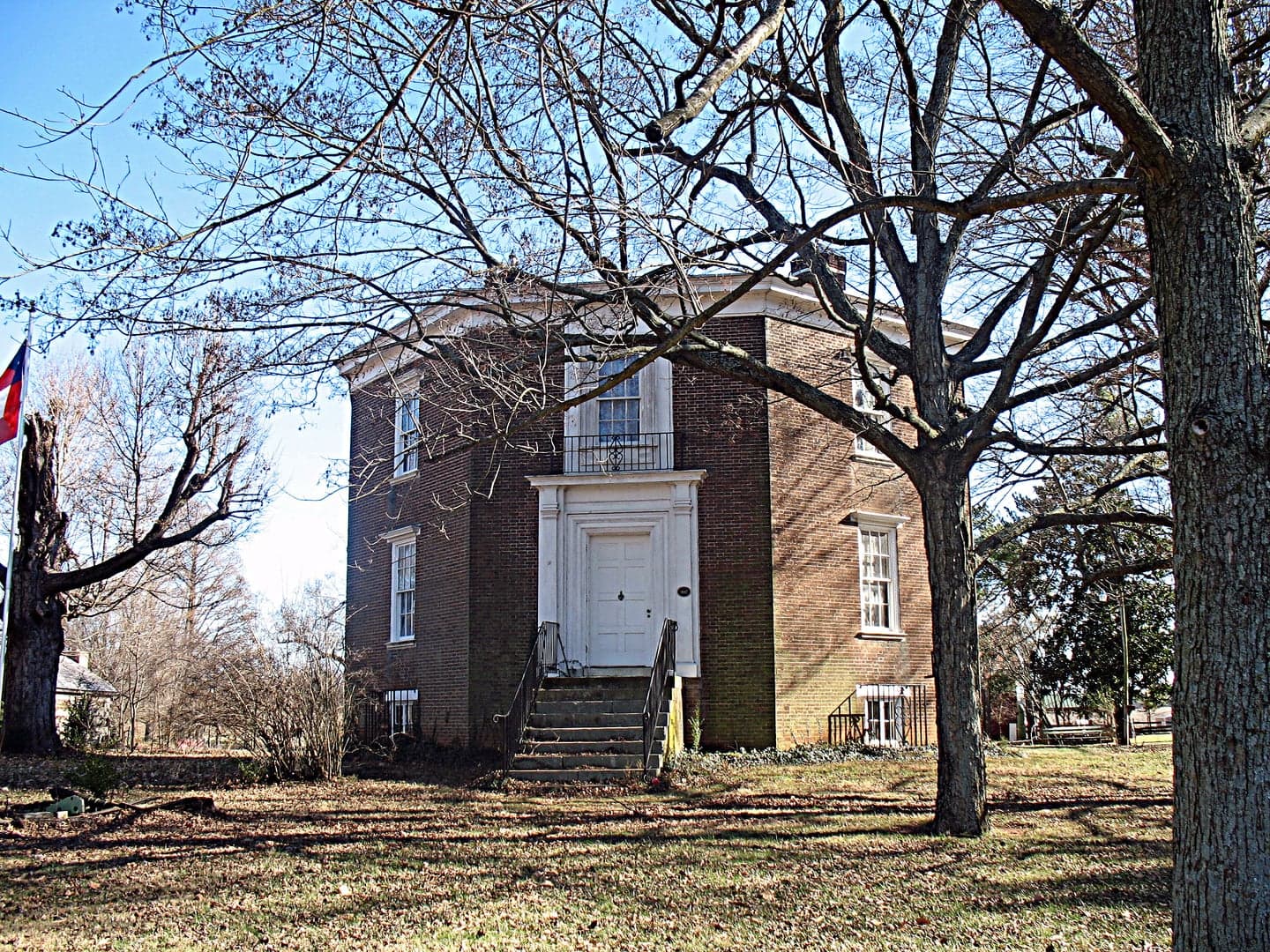
Franklin, KY
Andrew Jackson Caldwell laid the foundation of Octagon Hall in 1847, completing the distinctive eight-sided brick residence by approximately 1860. Built on 300 acres in Franklin, Kentucky, it served as a hospital for both Confederate and Union soldiers during the Civil War and as a hiding place for retreating Confederate troops. The Octagon Hall Foundation acquired the site in 2001 and operates it as a museum and investigation venue.