Drive-By
Historic Campus Walk
Walk the public grounds of the historic campus, including the exteriors of Main Hall and Reynolds Hall, the focal points of the university's well-known ghost legends.
- Duration:
- 1 hr
HauntBound archive · catalog record
Reported phenomena, as catalogued
A public liberal-arts university in Montevallo, AL, whose historic Main Hall is tied to the 1908 death of student Condie Cunningham, and whose Reynolds Hall carries Civil War-era ghost legends.
Station 6001, 75 College Drive, Montevallo, AL 35115
Research updated June 2026
Age
All Ages
Cost
Free
Active university campus; exterior grounds are generally open to the public. Building interiors are restricted to students, staff, and event attendees.
Access
Wheelchair OK
Developed campus with paved walkways; some historic buildings have steps.
Equipment
Photos OK
Est. 1896 · Founded 1896 as the Alabama Girls' Industrial School · Public liberal-arts university with several historic 19th-century buildings · Site of the documented 1908 death of student Condie Cunningham · Ghost tradition documented in university archives and regional press
The University of Montevallo traces its origins to the Alabama Girls' Industrial School, which opened in 1896. Over the following century it became Alabama College and then, in 1969, the University of Montevallo, a public liberal-arts institution. Several of its buildings are historic, and the campus retains a strong sense of its 19th-century past.
Reynolds Hall is among the oldest structures associated with the campus. According to local tradition it was used as a hospital during the Civil War; the university's own archivist, Carey Heatherly, has noted that there is no documented evidence that Reynolds Hall served as a Confederate hospital, although it remains a possibility. The building is named in connection with Captain Henry Clay Reynolds, a figure in the campus's Civil War-era folklore.
Main Hall is the building most central to the university's documented ghost lore because of a genuine tragedy. On the night of February 4, 1908, sophomore student Condie Cunningham and her roommate were melting chocolate for fudge in a chafing dish in their dormitory room. The alcohol that fueled the burner spilled and ignited Cunningham's nightgown. She was severely burned and died of her injuries two days later; she was buried on February 8, 1908, in Oak Hill Cemetery in Birmingham. The event is documented in university board-of-trustees minutes, 1908 newspaper accounts, and the school's archives.
The university's ghost stories have been covered by regional outlets including the Shelby County Reporter and CBS 42, and by the school's own publications and digital archives, making it one of the better-documented campus-haunting traditions in Alabama.
Sources
After Condie Cunningham's death in 1908, residents of Main Hall reported hearing the screams and cries of a young woman, and a face was said to appear in the wood grain of the door to her former room. According to the tradition, the door was replaced more than once and eventually a metal door was installed and the room locked, as documented in the university's archival project 'Archiving Montevallo' and in regional press accounts. Because the underlying tragedy is fully documented, the Cunningham legend is treated here as folklore that grew directly from a verified historical event — the dates, the chafing-dish fire, and her burial are confirmed by university records and contemporary newspapers.
Reynolds Hall carries a separate strand of lore tied to Captain Henry Clay Reynolds and the building's reputed use as a Civil War hospital. The most-repeated claim is that a portrait of a former president inside the hall has been found moved from its place, with maintenance staff returning it; the portrait was eventually fixed permanently to the wall. The university archivist has stated there is no documentation that Reynolds Hall was a Confederate hospital, so the 'massacre' and 'rooms stacked with bodies' elements of the older oral tradition should be regarded as unverified folklore rather than recorded history.
Notable Entities
Media Appearances
Walk the public grounds of the historic campus, including the exteriors of Main Hall and Reynolds Hall, the focal points of the university's well-known ghost legends.
Some links on this page may earn HauntBound a small commission when you book, at no extra cost to you. Our editorial picks are independent. Full disclosure
Every HauntBound history is researched from documented sources. We clearly separate verified historical fact from paranormal folklore.
Free Guide
11 verified stops, rated for families, mapped in order. Free.
One email to confirm, then the guide link. Unsubscribe anytime.
 Aerial survey · USDA NAIP
Munford, AL
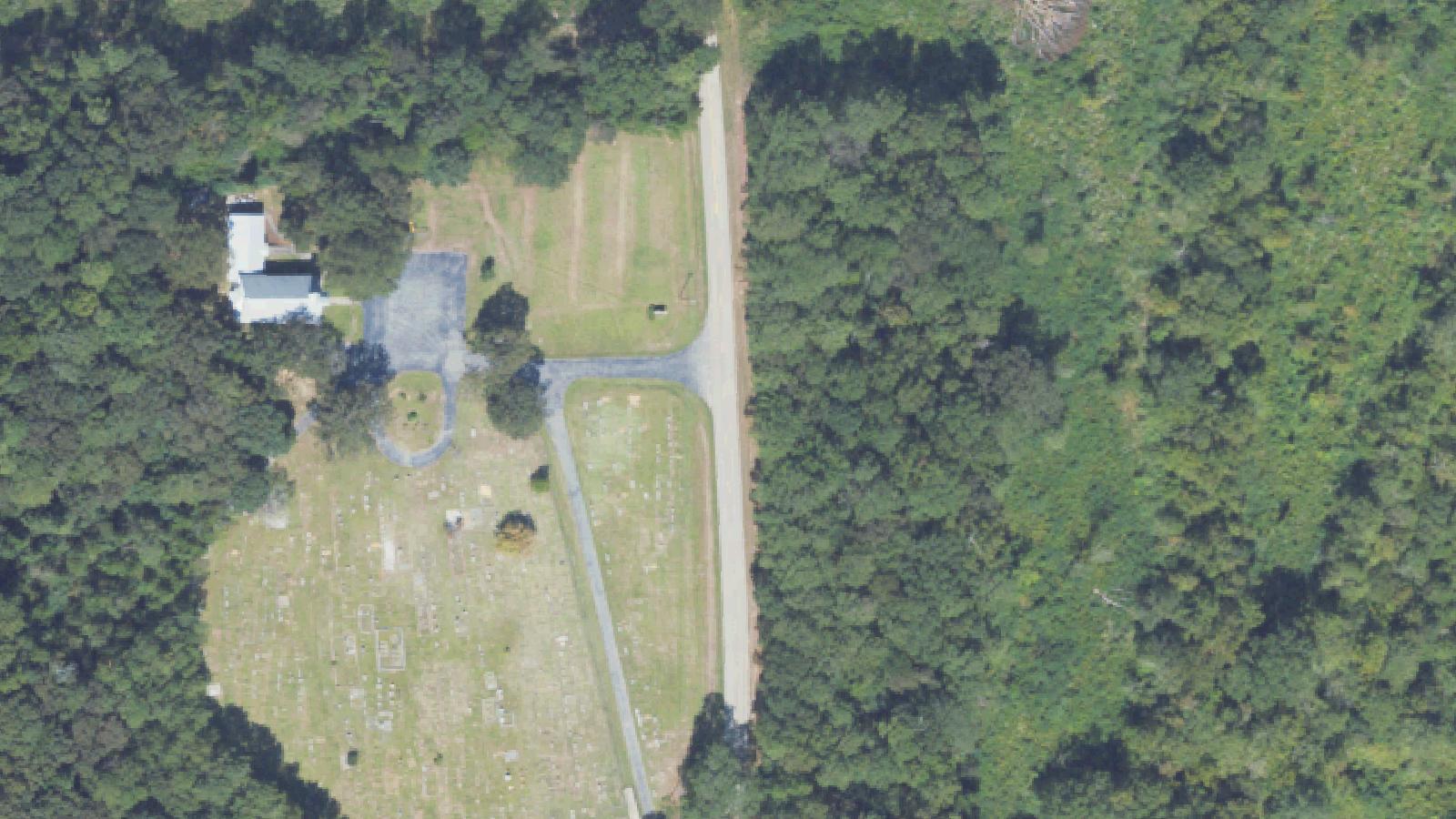
Bethlehem United Methodist Church in Munford, Talladega County, Alabama, is a rural religious institution with a cemetery containing over 400 graves. The site holds documented burials of Civil War veterans and early Alabama settlers, making it a site of local historical significance.
 Aerial survey · USDA NAIP
Cedar Falls, IA
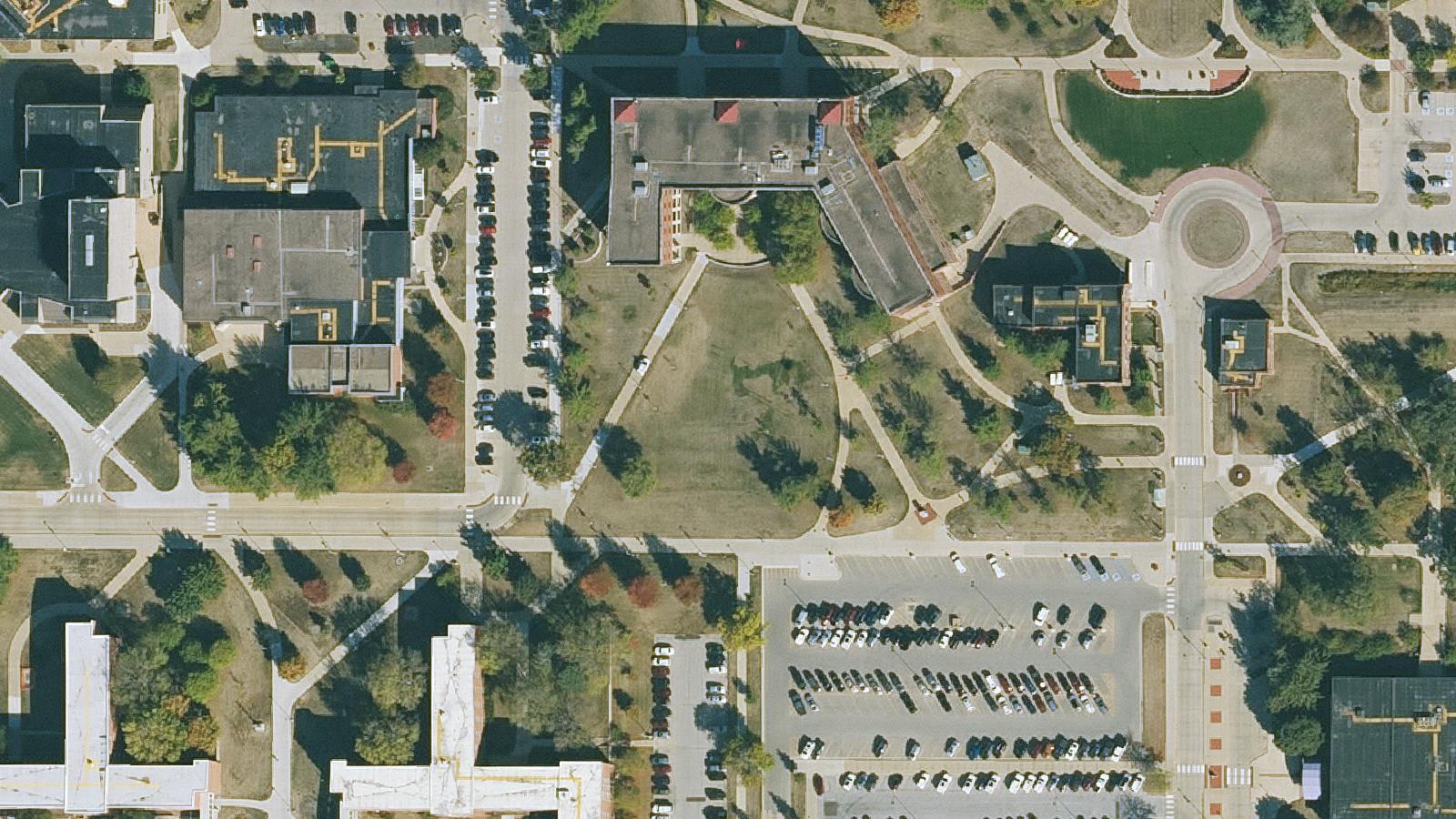
Lawther Hall is an occupied all-gender residence hall at the University of Northern Iowa, with construction beginning in November 1938 and the building opening in the summer of 1940. It is named for Anna B. Lawther, the first woman appointed to Iowa's State Board of Education. During World War II Bartlett Hall housed U.S. Navy WAVES, while displaced Bartlett residents crowded into Lawther.
 Aerial survey · USDA NAIP
Sioux City, IA
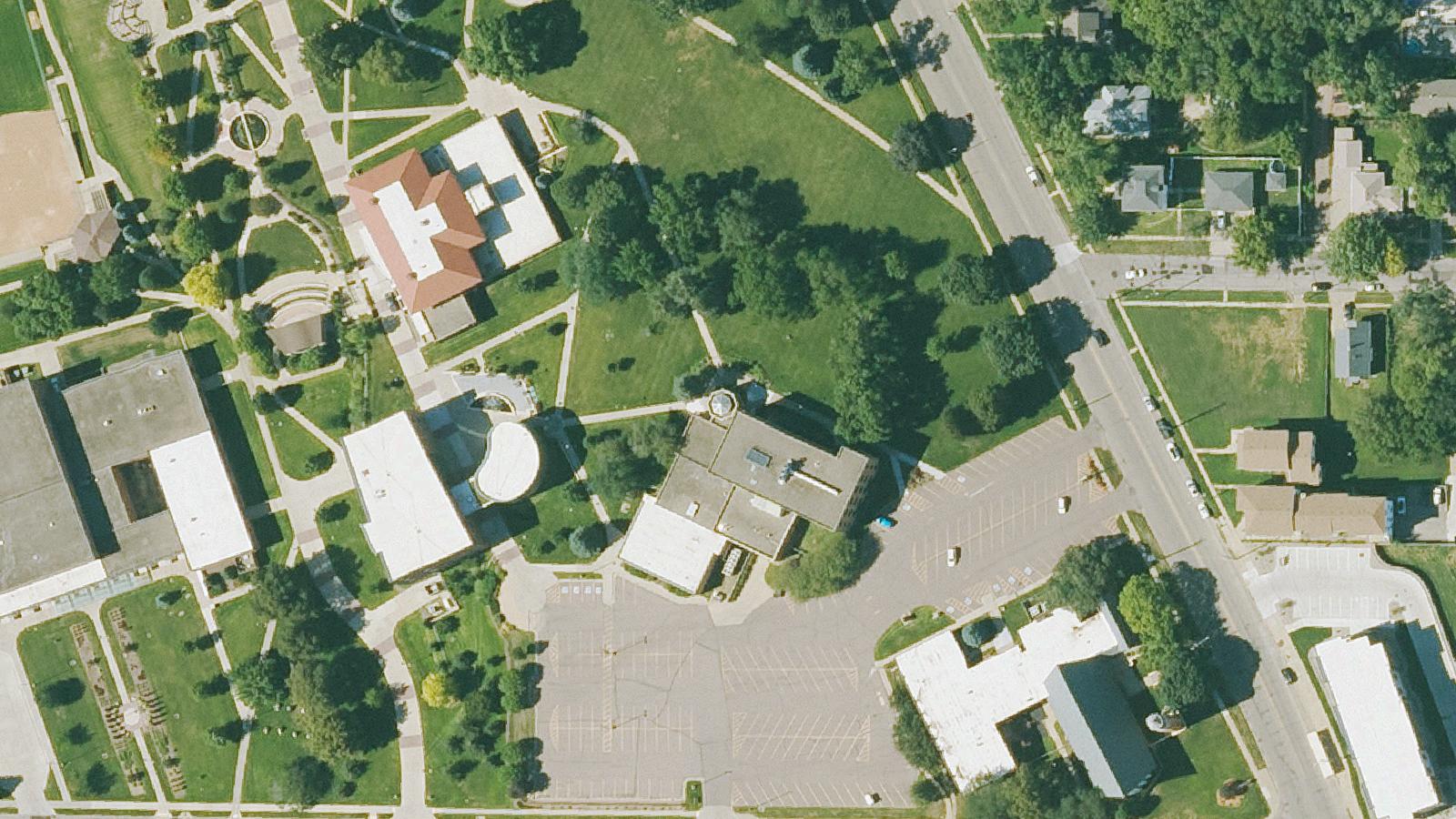
Morningside University was founded in 1894 by the Methodist Episcopal Church in Sioux City, Iowa. The Lillian E. Dimmitt Residence Hall, named for the Dean of Women who served for 26 years, was constructed in 1927 as the third-oldest building on campus. The building underwent renovation in 2015.