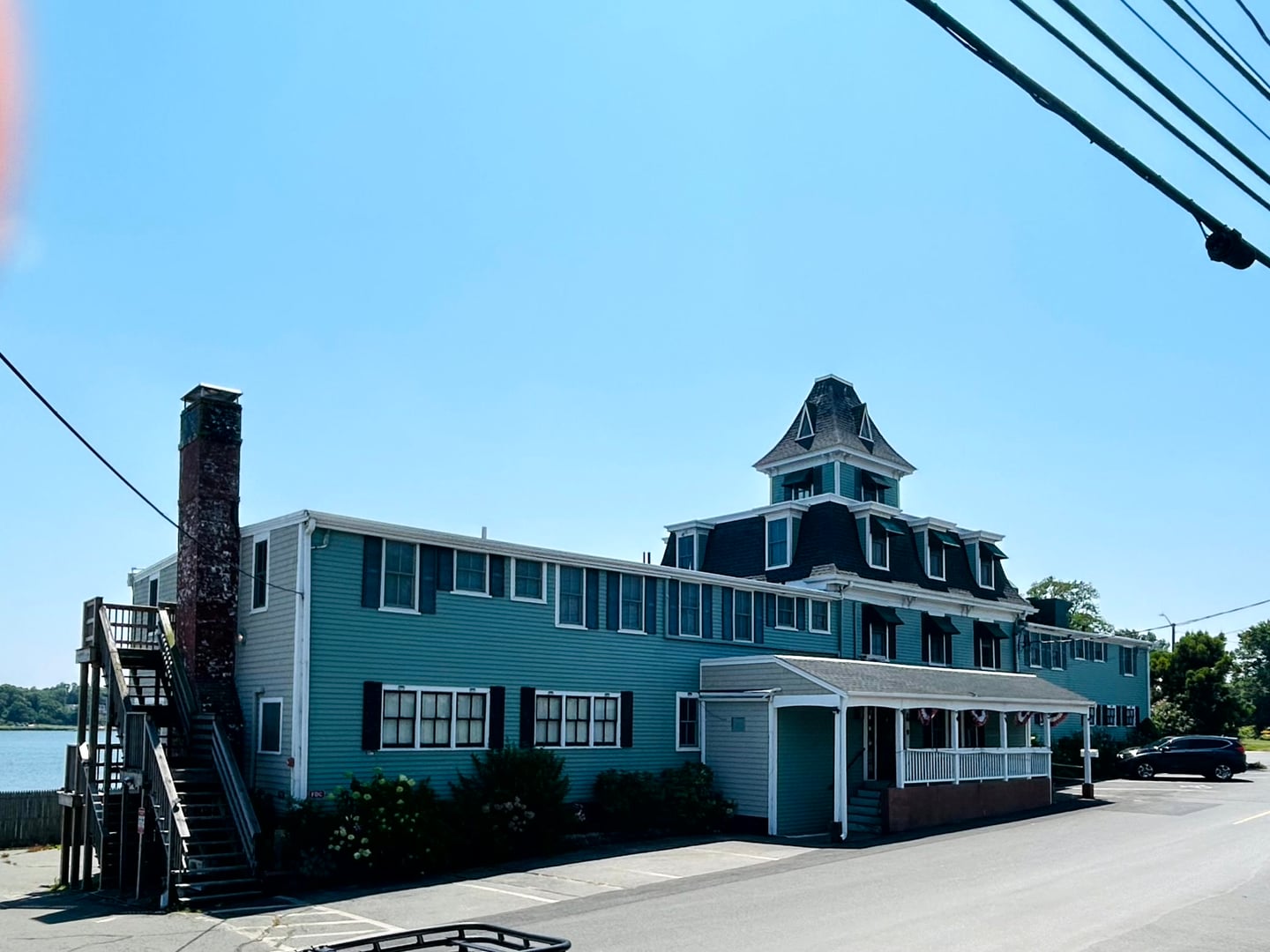
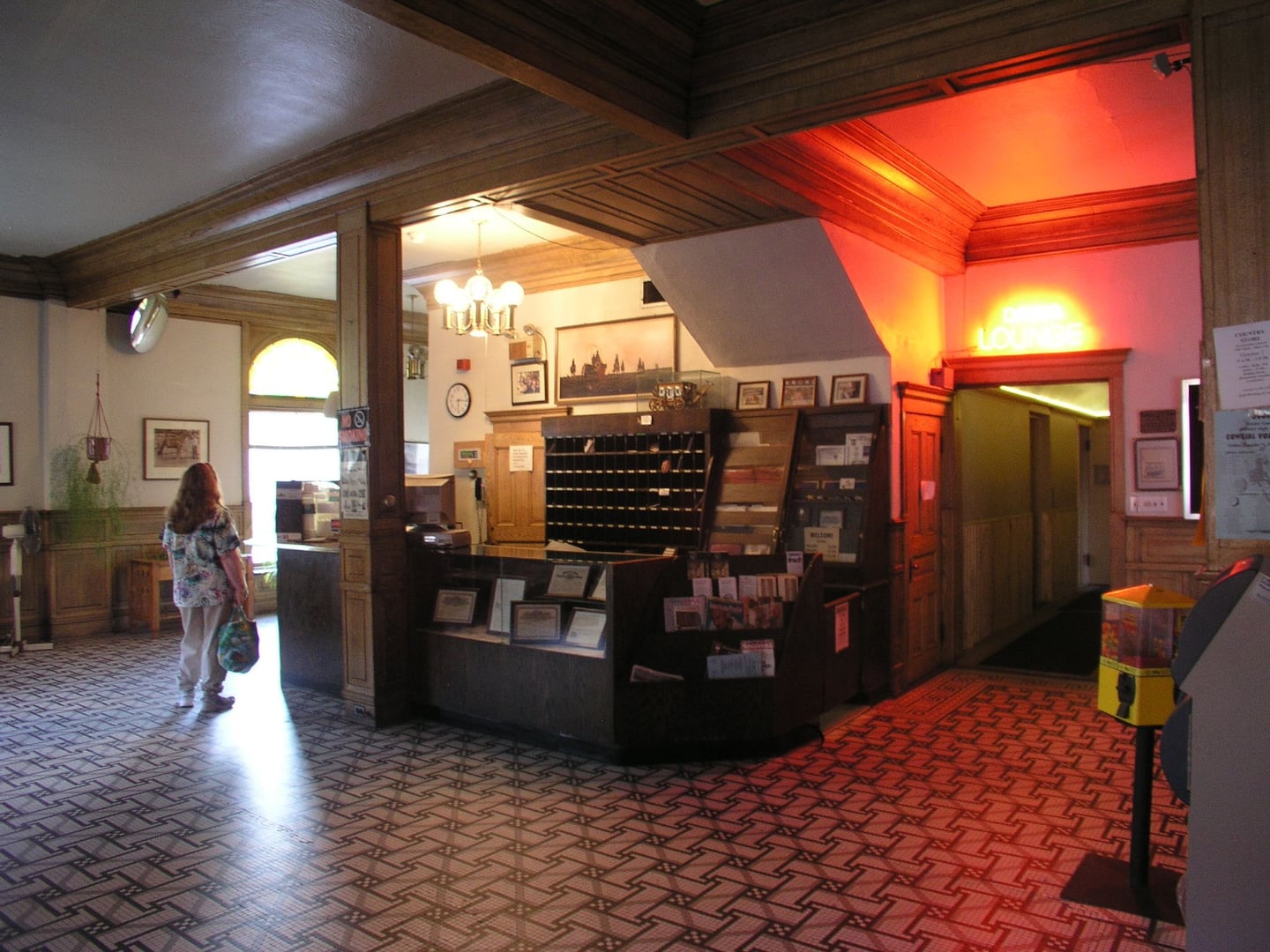
Est. 1838 · Oldest surviving antebellum hotel in Selma · Alabama River cotton trade hub · Survived Wilson's Raid (April 1865) · National Register of Historic Places — Selma Historic District
Selma developed rapidly in the early nineteenth century as a cotton-shipping hub on the Alabama River. The St. James Hotel was constructed in 1837–1838 and completed in 1838 to serve the planters, merchants, and travelers moving goods and capital through the port. Its location on Water Avenue placed it within easy reach of the steamboat landings that made Selma one of the busiest inland ports in the antebellum South.
The hotel's prominence brought it notable guests through the mid-to-late 1800s. During the Civil War, Selma served as a Confederate manufacturing center housing an arsenal, foundry, and naval gun works. When Union General James H. Wilson's cavalry force burned the city's industrial facilities on April 2, 1865, much of the district was damaged; the St. James survived the raid. The hotel closed in 1892 as river traffic declined with the expansion of rail lines.
The building stood vacant and deteriorated over the following century. A restoration project brought it back to operation in 1997 as a full-service hotel. The restoration preserved the building's original brick construction and courtyard configuration. It is recognized as a contributing property in Selma's historic district and stands as the only antebellum hotel in the city that remained intact through the intervening 130 years.
Selma's broader historic significance — including the 1965 Voting Rights March from Selma to Montgomery — has made the Water Avenue corridor a destination for travelers interested in both Civil War and Civil Rights history. The hotel closed in August 2025 and reopened September 15, 2026 with the Marriott Series identity. The St. James sits at the intersection of both narratives.
Sources
- https://www.ruralswalabama.org/attraction/st-james-hotel-1837/
- https://en.wikipedia.org/wiki/Selma,_Alabama
- https://frightfind.com/st-james-hotel-alabama/
- https://paranormalunknown.com/history-of-st-james-hotel-ghosts-of-selmas-past/
Apparitions in period clothingFemale apparition near rear stairwellShadow figures in upper corridors
The St. James Hotel's paranormal reputation centers on a reported visit by Jesse James and several associates in 1881. According to the account — documented through local oral tradition and regional haunted-history sources — James and his companions occupied rooms 301, 307, and 309 on the third floor. The details of the visit are unverified by primary historical records, and the Jesse James connection is treated by researchers as local legend rather than documented fact.
The most disturbing element of the lore concerns a woman believed to have traveled with James's group. Local tradition holds that she was killed in a back stairwell of the hotel under circumstances that were never formally investigated. Her identity has not been established in documentary sources. Reports of a female apparition near the rear stairwell have been attributed to this figure by guests and staff over the decades since the hotel's 1997 reopening.
Room 314 is the location most cited in contemporary reports. Guests in and around that room describe an apparition of an 1880s-era man dressed in the clothing of the period, observed sitting or standing as if keeping watch. A general description of figures in cowboy-era attire moving through upper-floor corridors appears in multiple accounts collected by regional dark-tourism writers.
The hotel staff neither confirms nor actively promotes the paranormal accounts. The Jesse James connection, unverifiable as historical fact, is nonetheless the most durable element of the St. James legend — consistent with dozens of properties across the South and Midwest that claim James as a onetime guest.
Notable Entities
Jesse James (attributed, unverified)