Chief Ladiga Trail Heritage · Abandoned 1980s Subdivision · Calhoun County
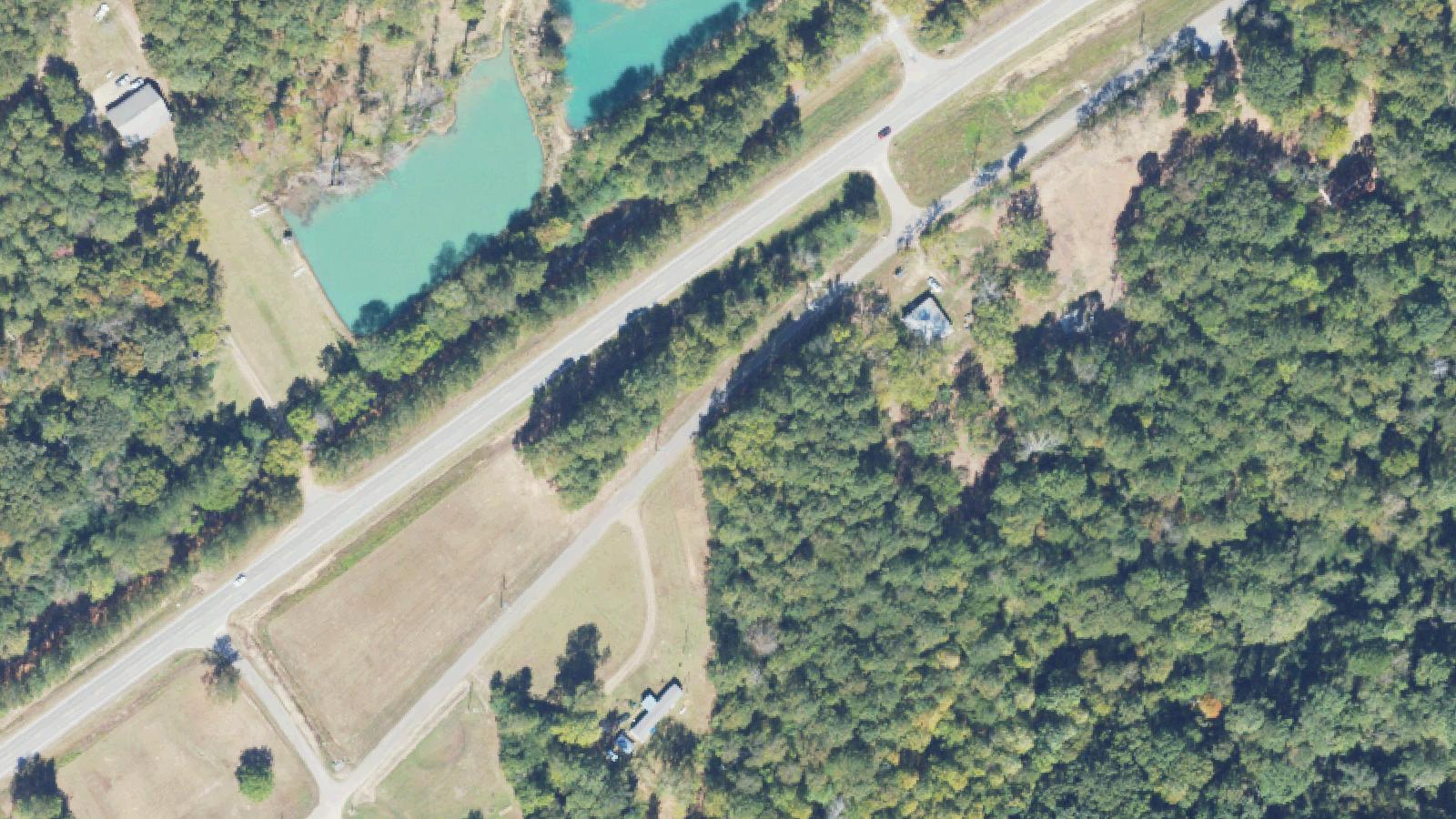
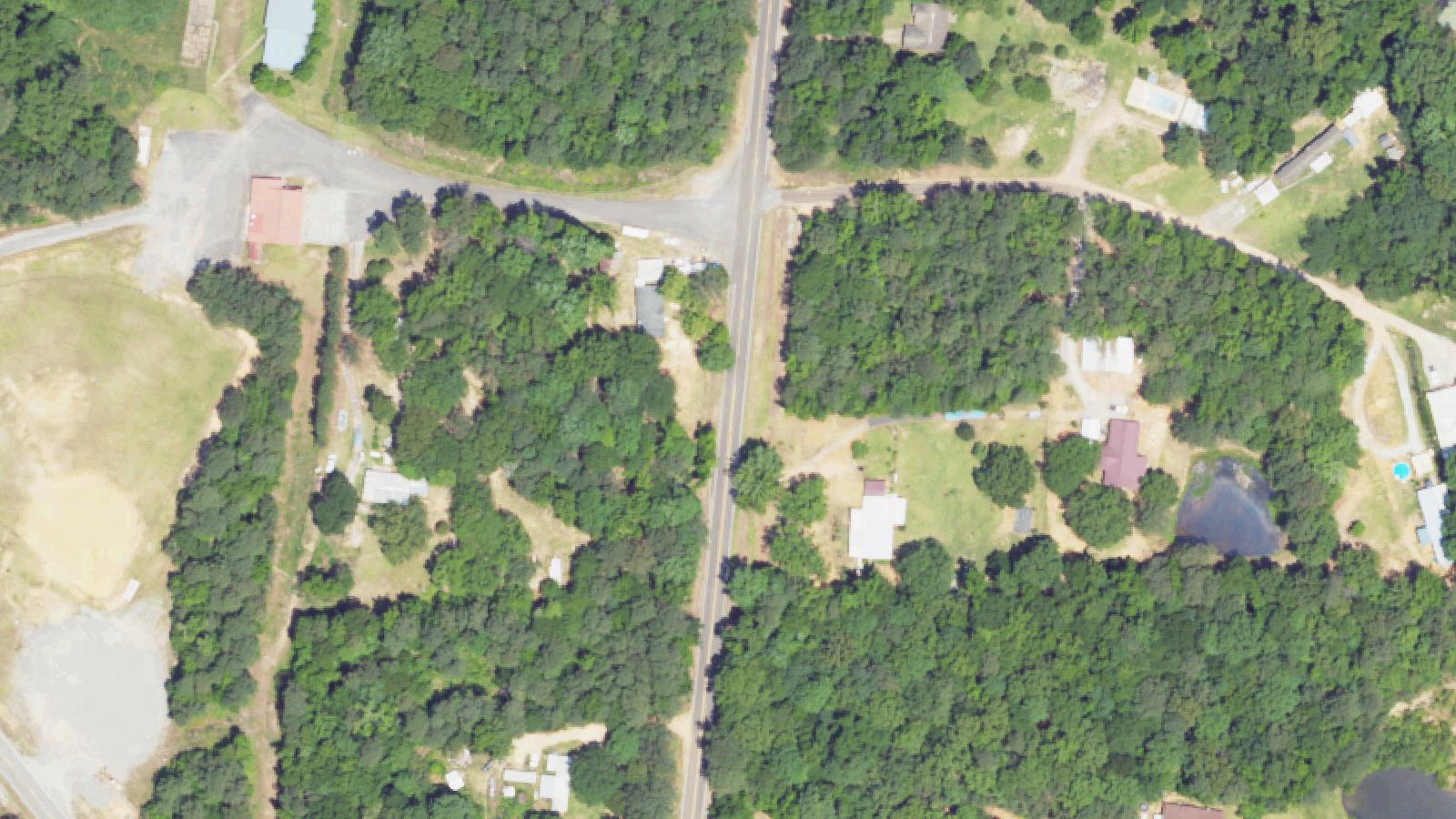
The unofficial name Dump Road refers to a section of pavement above the Brownwood Estates neighborhood in Jacksonville, Alabama, at the foothills of the Appalachian Mountains in Calhoun County. The corridor follows part of what was historically the Chief Ladiga Indian trail, a route used by early Native American travelers and later by 19th-century settlers.
In the 1980s, a contractor laid pavement up the hill from Brownwood Estates as the beginning of a planned subdivision extension. Power poles were installed but no lines were ever run, and the development was abandoned partway through. The road's modern nickname comes from the illegal dumping that has occurred on the unfinished stretch in the decades since. Teens have used the area for parking, camping, and off-road vehicle use, and parts of the corridor have served informally as an illegal shooting range.
The formal Chief Ladiga Trail today is a 39.2-mile paved rail-trail running through Calhoun and Cleburne counties, connecting Anniston, Weaver, Jacksonville, and Piedmont. The trail sees approximately 30,000 users annually and is the recommended way to experience the corridor's history and landscape. The original Chief Ladiga, for whom the trail is named, was a Muscogee (Creek) Nation chief in the early nineteenth century.
Sources
- https://www.jacksonville-al.org/parksrec/page/chief-ladiga-trail
- https://www.traillink.com/trail/chief-ladiga-trail/
- https://www.railstotrails.org/trailblog/alabamas-chief-ladiga-trail-june-2025-trail-of-the-month/
- https://www.americantrails.org/resources/chief-ladiga-national-recreation-trail-jacksonville-and-piedmont-alabama
ApparitionsPhantom soundsShadow figures
Folklore attached to the Dump Road corridor draws on the area's deeper historical layers — its Native American trail origins and its proximity to old farms and plantations in northeast Alabama. Reported sightings include figures in Victorian or earlier clothing walking the road, horses and wagons heard or seen moving along the trail, and torches or lanterns described as bouncing along the route at night.
A more serious thread in the lore describes the figure of an enslaved person seen hanging from a tree above a clay embankment, near what some local accounts identify as the site of a slave house associated with a plantation that burned in the early 1900s. We approach this strand of the story with care: civil-rights and slavery history at southern dark-tourism sites deserves archival neutrality, not antebellum atmosphere. The specific plantation reference, the burned-house date, and the lynching incident in the lore are not supported by documented historical records we could surface through search. We pass on the apparition reports as community oral tradition while declining to endorse the surrounding narrative as historical fact, and we recommend that any serious local-history work on enslavement in Calhoun County draw on county archives and academic sources rather than internet folklore.
The Chief Ladiga Trail itself is a well-managed regional recreation resource. The unfinished Dump Road section sits adjacent to it on private and semi-private land; visitors should use the formal trail.