Est. 1821 · First county seat of Jackson County (1821) · Burned during the Civil War and never rebuilt · Cemetery headstones dating to 1826 — among the oldest in north Alabama
Bellefonte was chartered in 1821, the same year Jackson County was organized, and served as its first county seat. The town grew alongside the cotton economy of north Alabama but lost its political status when the county seat moved to Scottsboro in 1869. The blow that finished Bellefonte came during the Civil War, when Union troops burned much of the town.
With no courthouse to anchor it and no economic reason to rebuild, Bellefonte declined through the Reconstruction era. By the 1920s no substantial structures remained standing. Local accounts documented by Alabama Pioneers note that residents had long since dispersed, leaving only property lines and the cemetery as evidence of the original settlement.
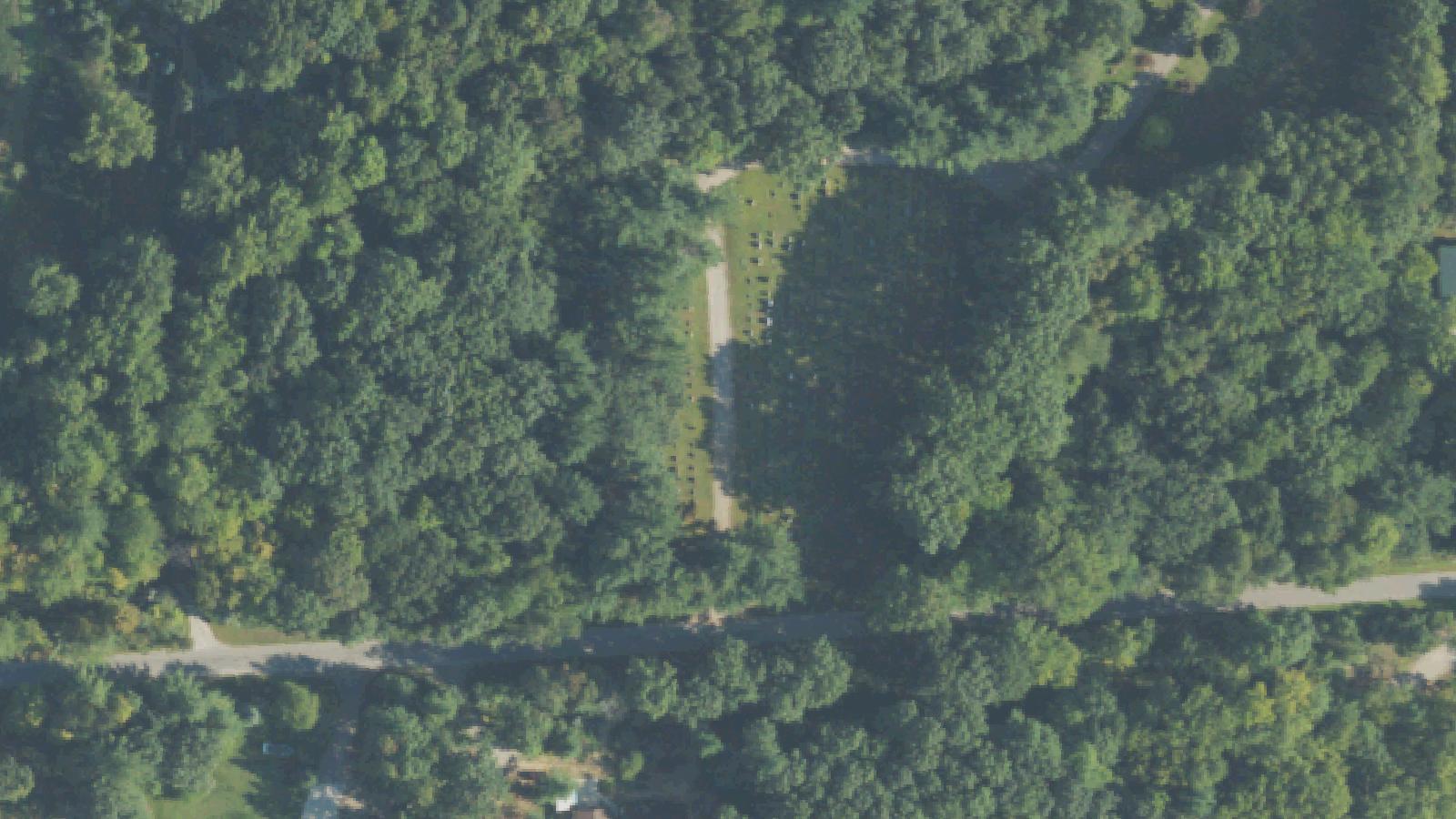
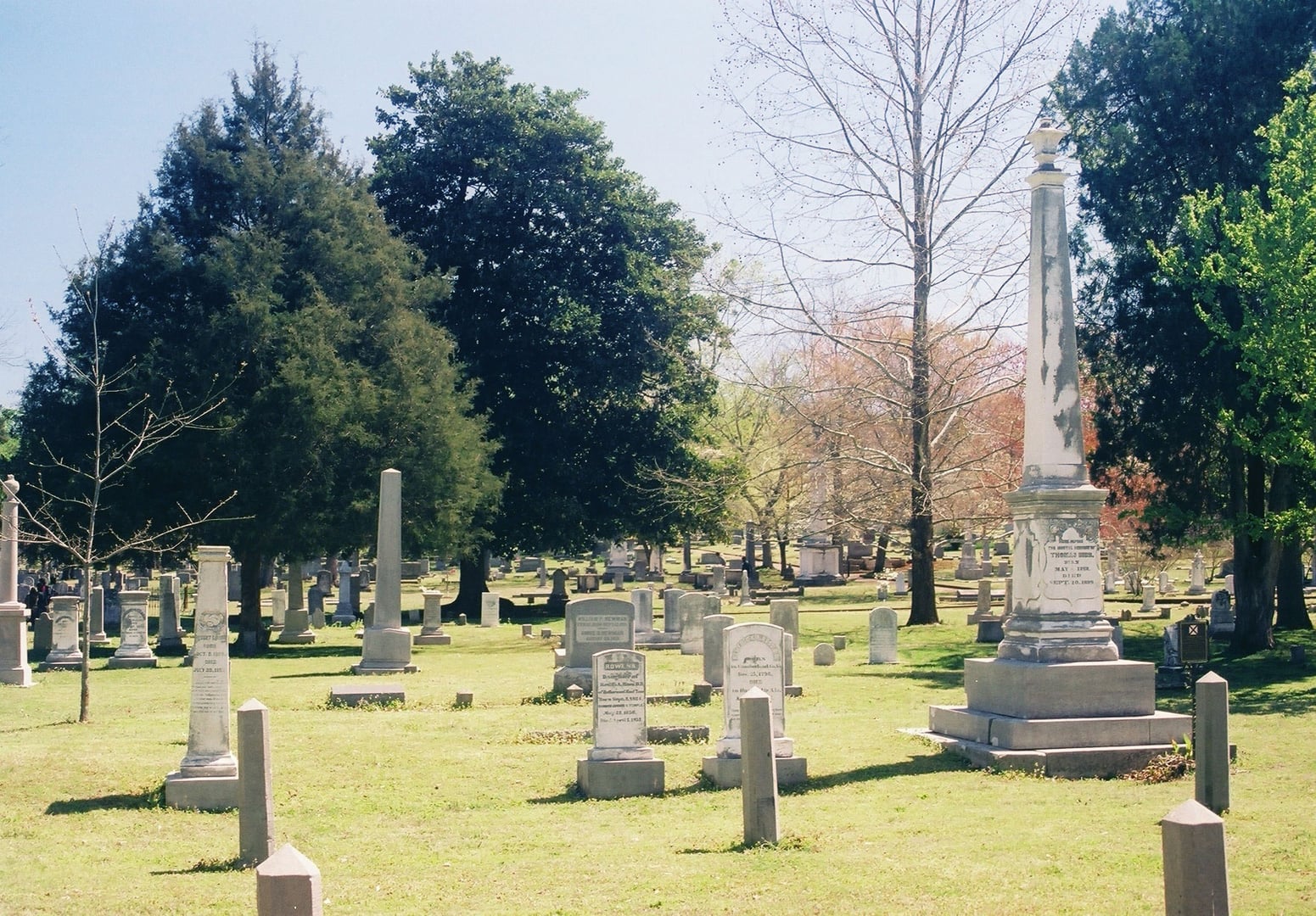
The cemetery is the most tangible remnant. Headstones dating from the 1820s through the late nineteenth century still stand across the grounds, and a single brick chimney — the sole above-grade remnant of the built town — marks what was once a domestic structure. OnlyInYourState has described the site as among Alabama's most evocative ghost-town remnants, noting that the combination of antebellum graves and collapsed townscape produces an atmosphere unlike anything a maintained historic site can replicate.
Sources
- https://www.alabamapioneers.com/bellefonte-ghost-town-2/
- https://www.onlyinyourstate.com/experiences/alabama/creepiest-ghost-town-bellefonte-al
Apparition sightings near antebellum headstonesSense of being observedShadow figures
Bellefonte has no organized paranormal tour, but the site has generated visitor accounts that circulate in north Alabama outdoor and history communities. OnlyInYourState, which covers the site as one of Alabama's creepiest ghost towns, notes that the atmosphere after dusk is described as unusually heavy — visitors report a sense of being observed and, in some accounts, glimpsed figures near the older grave markers.
The combination of violent history — a town destroyed by war — and a cemetery that remained tended even as the living settlement dissolved has made Bellefonte a recurring destination for amateur paranormal investigators from the Scottsboro and Huntsville areas. No formal investigations appear to have been published.