Est. 1898 · Klondike Gold Rush · Klondike Gold Rush National Historical Park · Burial place of Soapy Smith and Frank Reid · Shootout on Juneau Wharf
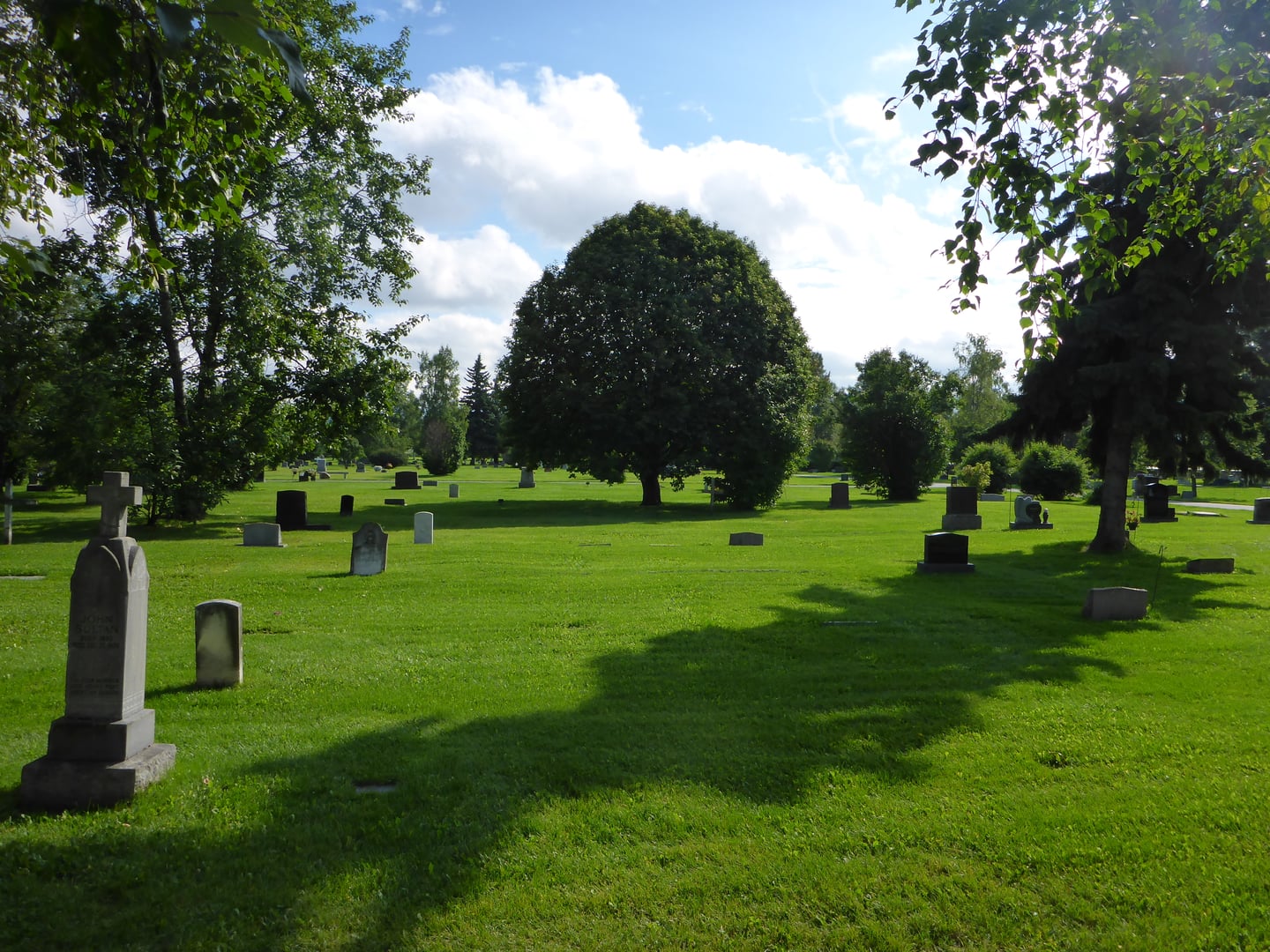
The Gold Rush Cemetery is the oldest burial ground in Skagway and, by the National Park Service's own account, the easiest of the area's gold-rush cemeteries to visit. It sits about two miles from downtown along the Klondike Highway, within Klondike Gold Rush National Historical Park, on a wooded hillside that a short trail continues past toward Reid Falls.
The cemetery's reputation rests on a single night. By the summer of 1898, Jefferson Randolph 'Soapy' Smith, a confidence man who had run swindles from Denver to the Colorado mining camps, effectively controlled Skagway's gambling halls and criminal rackets. On July 8, 1898, a returning miner named John Douglas Stewart was relieved of roughly $2,600 in gold by Smith's gang in a three-card monte swindle. A vigilance committee organized in response, and that evening a confrontation on the Juneau Company wharf turned into a gunfight. Smith was shot in the heart and died at the scene; his marker in the cemetery records his death on July 8, 1898, aged 38. Frank H. Reid, the surveyor and committee guard who exchanged fire with him, was gravely wounded and died twelve days later. His larger marker carries the inscription that he gave his life for the honor of Skagway.
Also buried here is Martin Itjen, an early Skagway tourism promoter who built the town's first sightseeing 'streetcar' and did much to popularize the Soapy Smith story for visitors. The graves of Smith and Reid sit apart from one another, and the contrast between them, the swindler tucked at the edge of the ground and the man who stopped him given the town's honor, is the heart of how Skagway has told the story ever since.
Sources
- https://www.nps.gov/klgo/learn/historyculture/cemeteries.htm
- https://en.wikipedia.org/wiki/Shootout_on_Juneau_Wharf
- https://en.wikipedia.org/wiki/Frank_H._Reid
Sense of being watchedGrave-offering traditions
The Gold Rush Cemetery's dark-tourism appeal comes almost entirely from who is buried in it. Skagway's gold-rush walking tours and shore excursions use the cemetery as the closing scene of the Soapy Smith story: the confidence man in his low, set-apart grave at the edge of the ground, and Frank Reid uphill under a taller marker reading that he gave his life for the honor of Skagway.
The folklore here is less about apparitions than about ritual and reputation. Visitors leave coins, cards, and small tokens at Smith's grave, a tradition tour guides encourage as a nod to the gambler's trade. Some local ghost-tour patter holds that the rivalry between the two men did not end with their burials and that the wooded ground between the graves feels watched at dusk, when the cemetery empties and the trail to Reid Falls falls quiet.
These are tour stories rather than documented hauntings, and the cemetery's draw is fundamentally historical: it is the place where the most famous chapter of Skagway's gold-rush violence is literally grounded. The contrast the markers draw, swindler versus honored defender, is the legend that the town has maintained and sold to visitors for more than a century.
Notable Entities
Soapy SmithFrank Reid