Est. 1842 · Russian colonial architecture · National Historic Landmark · Russian Orthodox diocese seat · Sitka National Historical Park
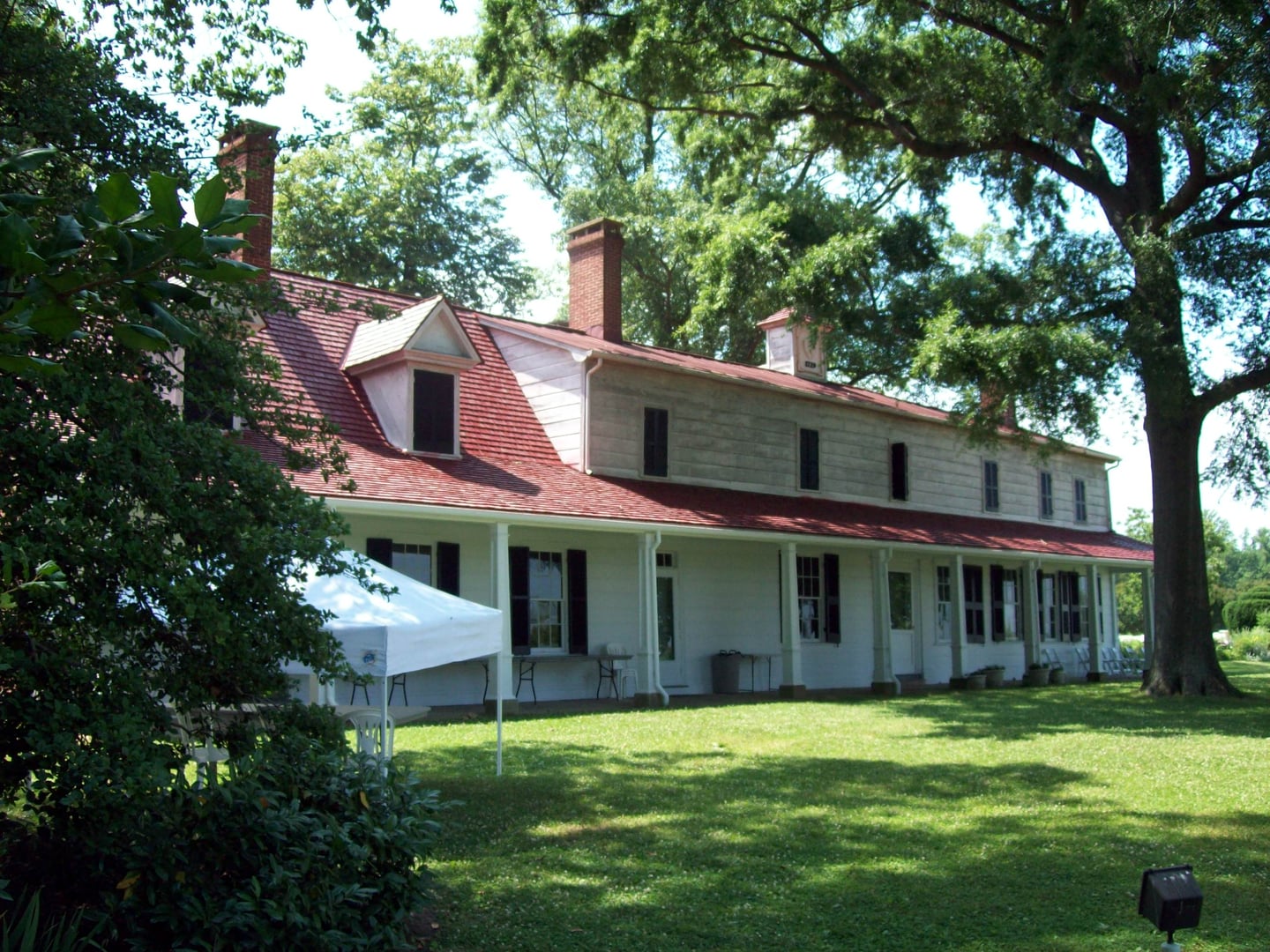
The Russian Bishop's House was built between 1841 and 1843 by Finnish shipwrights working for the Russian-American Company. The two-story log structure, about forty by sixty feet, was commissioned as the residence and headquarters of the Russian Orthodox bishop of the new Diocese of Kamchatka, the Kurils, and the Aleutians, which stretched across the North Pacific.
Its first occupant was Ivan Veniaminov, who took the monastic name Innocent and was consecrated the first bishop of the diocese. Veniaminov had spent years among the Aleut and Tlingit, learning languages and developing a written Aleut alphabet, and he directed missionary and educational work from the Sitka house through the 1840s. He was later elevated to Metropolitan of Moscow and died in Moscow in 1879; in 1977 he was canonized as Innocent of Alaska.
The house remained in church use after the 1867 transfer of Alaska to the United States, though the diocesan seat eventually moved. By the 20th century the building had deteriorated. The National Park Service acquired it and undertook a long restoration, returning the second-floor living quarters and the small house chapel to their 1840s appearance. The building is a National Historic Landmark and one of the most intact examples of Russian colonial architecture surviving in North America. It is now part of Sitka National Historical Park, open for ground-floor exhibits and ranger-guided tours of the restored upper floor.
Sources
- https://en.wikipedia.org/wiki/Russian_Bishop%27s_House
- https://www.nps.gov/sitk/learn/historyculture/places.htm
- https://www.paranormaltraveler.com/1229/russian-bishops-house-a-portal-to-alaskas-imperial-past-and-paranormal-realms/
Apparition of a robed figureSense of a presence
The Russian Bishop's House has a quiet haunting reputation that centers on the chapel and the restored living quarters upstairs. The most-repeated account describes a tall figure in a dark robe, glimpsed near the chapel or moving along the upper hall, which local storytellers connect to Bishop Innocent Veniaminov, the building's first occupant. Veniaminov did live in the house in the 1840s, though he died in Moscow in 1879, far from Sitka.
These reports are anecdotal and come mainly from tour-related storytelling rather than any organized investigation. The figure is described as still and watchful rather than threatening, in keeping with the building's role as a religious residence.
The National Park Service presents the house strictly as a historic site, and its tours focus on construction, Russian colonial life, and the diocese rather than on the apparition. The legend persists largely because the restored chapel and quarters are so completely preserved that the rooms feel occupied, which gives the robed-figure story a setting that suits it.
Notable Entities
Robed figure associated with Bishop Innocent