Est. 1919 · Ketchikan Red-Light District · Brothel Museum · Prohibition History
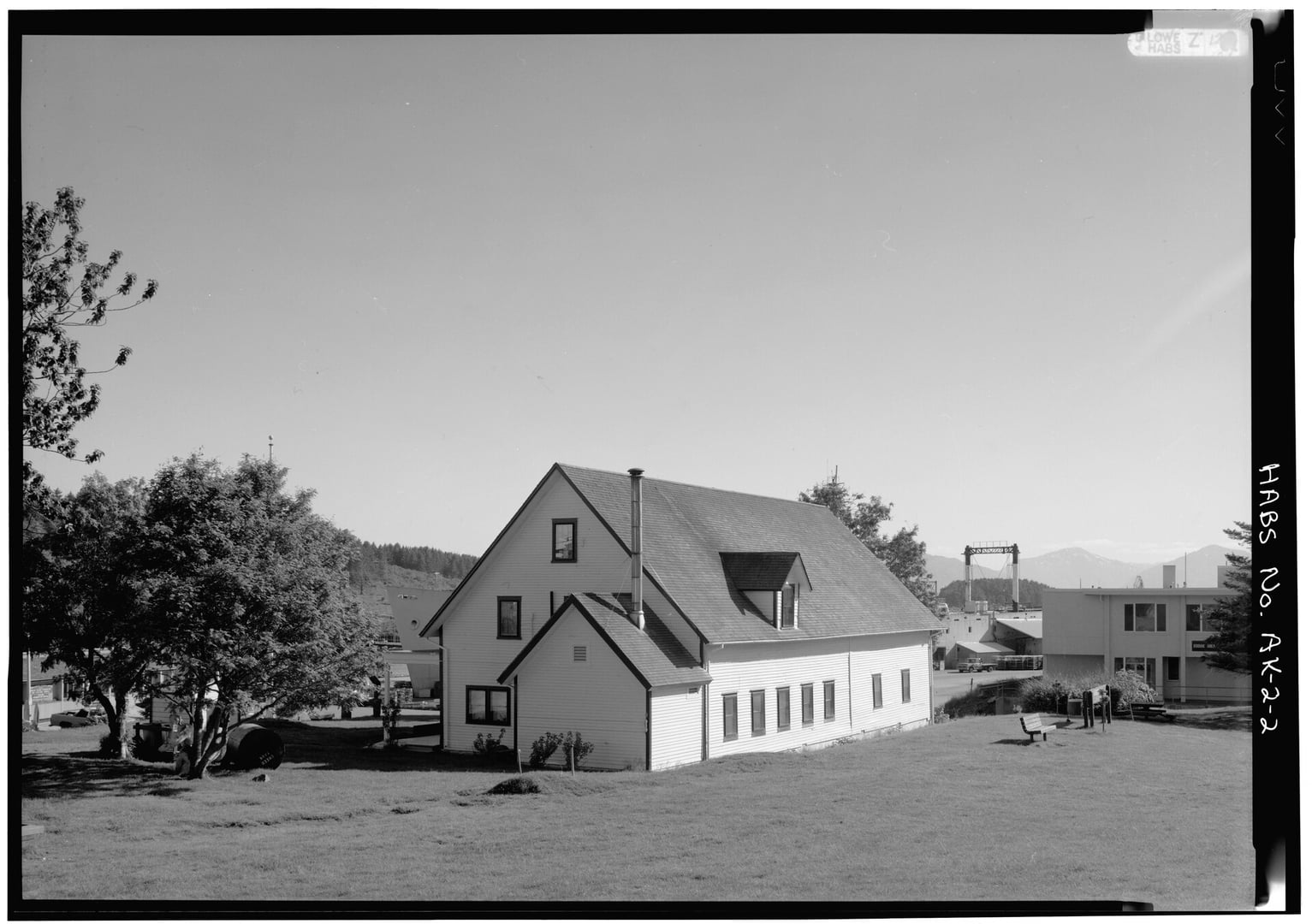
Dolly Arthur arrived in Ketchikan during the boom years of the early twentieth century and bought the house at No. 24 Creek Street in 1919. She ran it as both her home and her business for the better part of the next four decades, becoming the most prominent figure in the city's red-light district. The house sits on pilings over Ketchikan Creek, part of the boardwalk that served as the district's only thoroughfare.
Like its neighbors, the house carried a second function during Prohibition. A hidden closet in Dolly's bedroom was used to stash bootlegged liquor, which could be brought up the creek by boat at high tide. The arrangement was characteristic of Creek Street, where several houses were fitted with trap doors and concealed spaces for smuggling. The combination of the legal red-light trade and the illegal liquor traffic defined the district's economy for a generation.
The working houses of Creek Street were closed in 1954 when Alaska shut down the legal red-light business. Dolly's House survived intact and was preserved as a museum, keeping the period furnishings, the cabbage-rose wallpaper, photographs of Dolly, and the hidden liquor closet. It is described as the only remaining Creek Street house standing essentially as it did during the district's heyday, and it is a fixed stop on the city's daytime and evening tours.
Sources
- https://www.alaska.org/detail/dollys-house-museum
- https://www.krbd.org/2017/10/10/haunted-ketchikan/
- https://www.ktoo.org/2017/10/10/ghost-tour-hopes-show-haunted-ketchikan/
Shadow figuresUnexplained noisesObjects moved
As the best-preserved of Creek Street's brothels, Dolly's House anchors the ghost stories that the local tour tells about the district. Coverage of the Ketchikan ghost walk by KRBD records reports of ghostly shadows and noises inside the house, consistent with the broader claims made about the converted brothels along the boardwalk.
The most repeated boardwalk anecdote is that displays and small objects in the former brothels are sometimes found moved or rearranged overnight, with staff describing shadows and unexplained sounds. Dolly's House is folded into that pattern, and the tour treats Dolly Arthur and the women who worked the district as the implied presences behind the activity.
The phenomena are presented as visitor and shopkeeper accounts rather than investigated events. The house's appeal as a legend stop comes from how completely it preserves the setting: a working brothel kept in period detail, on a boardwalk over a tidal creek, where the history does most of the work.
Notable Entities
Dolly Arthur