Est. 1897 · Coal Mining History · Wyoming Fossil Heritage · J.C. Penney Origins · Lincoln County History
Kemmerer, Wyoming, was founded in 1897 by coal company interests and grew rapidly as the Union Pacific Railroad's coal operations expanded through Lincoln County. The town's economic identity was built on extraction — coal from the Hams Fork seams, and later the fossil fish beds of Fossil Butte that have drawn paleontologists since the late 19th century.
The museum at 400 Pine Avenue has operated under various names. Originally the Fossil Country Museum, it later transitioned to the Fossil Country Frontier Museum before the institution rebranded as the Hamsfork Museum in recent years following a period of operational difficulty. The Wyoming State Archives lists the institution as a field-trip destination with formal educational programming.
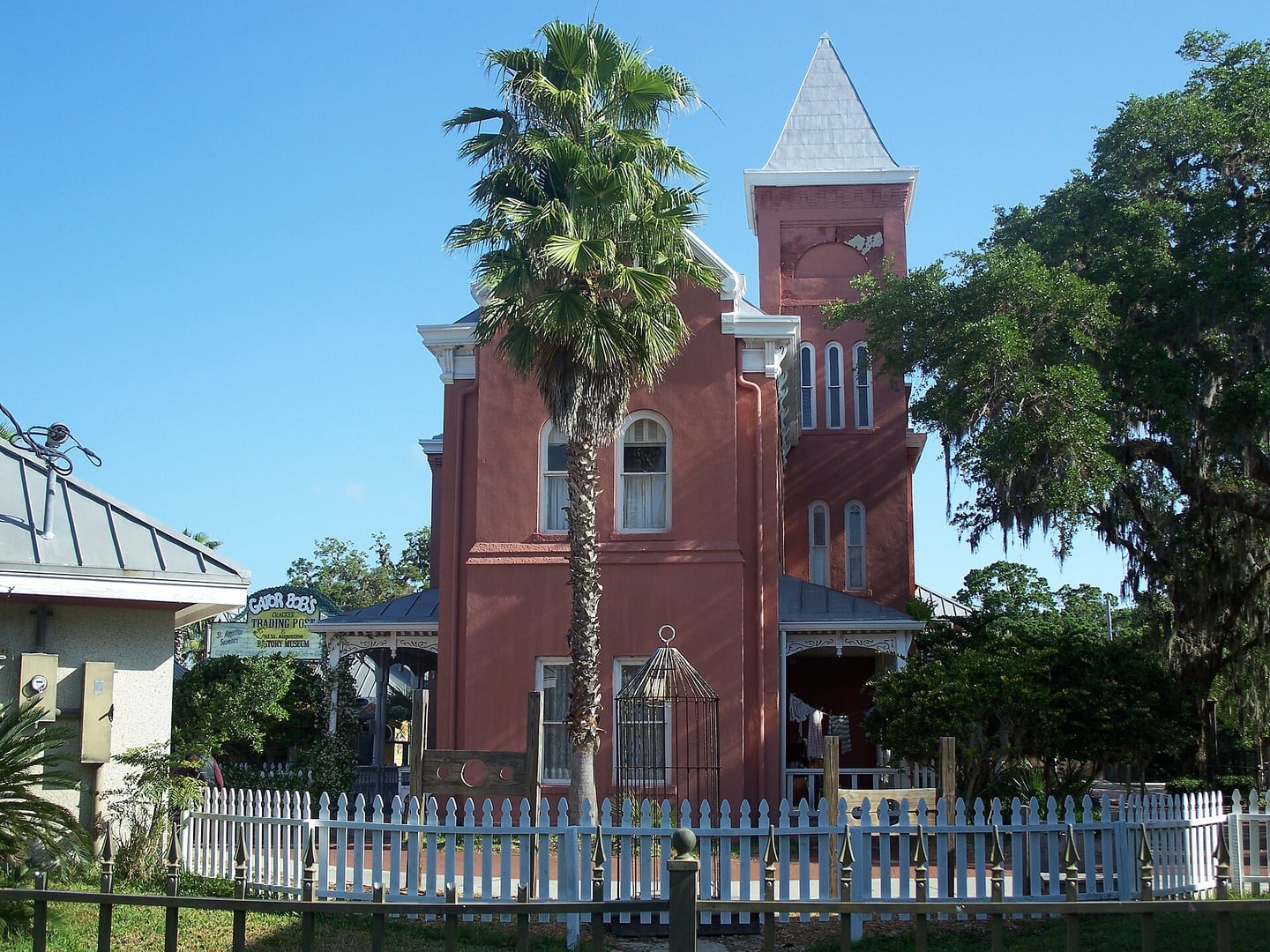
Collections include a coal mine replica with period equipment, bootlegging stills and wine presses recovered from the Prohibition era, exhibits on the Kemmerer Shoe Store's century-plus of operation, and documentation of J.C. Penney's founding venture — the Golden Rule Store that Penney opened in Kemmerer in 1902, which became the first link in what grew into the national chain. The building itself, described in various sources as a former school or church structure, is among the older surviving commercial buildings in the town center.
Sources
- https://www.wyohistory.org/field-trips/fossil-country-frontier-museum
- https://www.hamsforkmuseum.com/
- https://fossilbasin.org/2024/10/29/fossil-basins-phantoms-and-haunted-places/
Phantom soundsPhantom footstepsResidual haunting
The paranormal reputation of Kemmerer's museum building is quiet by most standards. No dramatic apparitions, no named entity. What gets reported instead is more ambient: unexplained sounds and the persistent feeling of being observed.
A dance team that uses the building for afternoon rehearsals has made a habit of noting the sounds — thumps and bumps from adjacent rooms or overhead, occurring when they are the only group in the building and the source cannot be located. The consistency of the reports from the same group, over the same period, in the same space, is what gives them some weight as an anomaly rather than building noise.
Visitors in the museum's exhibit section describe something less auditory and more atmospheric: the sense of a presence accompanying them through the galleries. Paranormal researchers have attributed this in general terms to the spirits of miners or early settlers, though no specific account from the building's documented history attaches a name or event to the activity.
Given the building's age and its decades of proximity to the physical remnants of hard-labor industries — coal-blackened tools, the personal effects of workers who died young in industrial accidents — the felt presence may reflect nothing more than the accumulated weight of those objects. Or something else entirely.