Est. 1897 · Burial ground for unclaimed West Virginia Penitentiary inmates · Creation traced to an 1897 act of the WV Legislature (as reported) · Roughly 240 graves, including state-executed prisoners
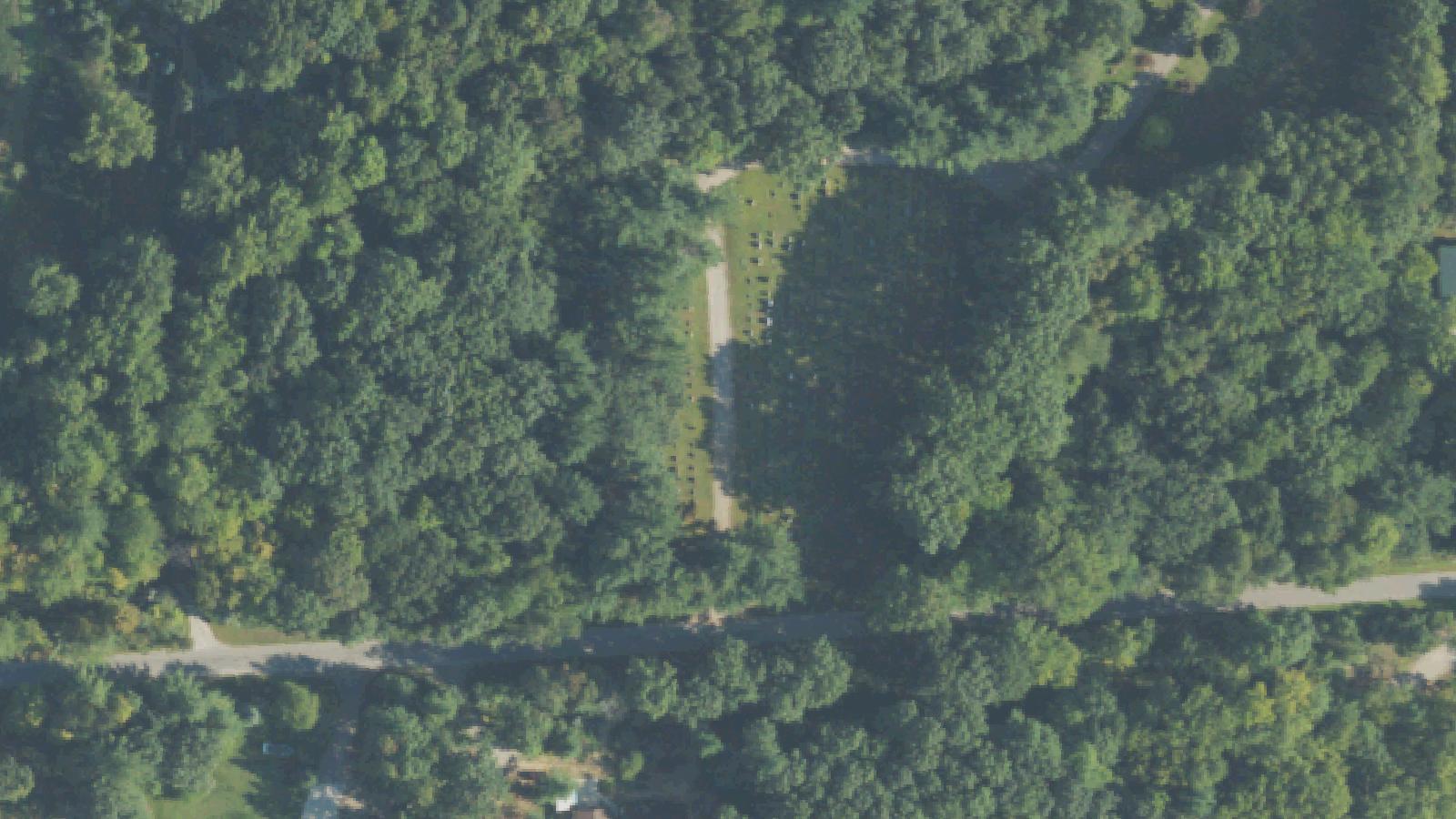
Whitegate Cemetery sits along Tom's Run on the outskirts of Moundsville, a short distance from the former West Virginia Penitentiary that operated in the town from 1876 until 1995. The cemetery exists for a specific reason: when an inmate died in custody and no family came forward to claim the body, the penitentiary buried that person here.
The official West Virginia tourism listing describes Whitegate as the final resting place for prisoners unclaimed by anyone from the former penitentiary, reached along Tom's Run following Fourth Street out of town. Regional history coverage from the Haunted Appalachia project traces the cemetery's creation to an act of the West Virginia Legislature in 1897 and counts roughly 240 burials.
The causes of death reflect a century of prison life. Some of those buried were executed by the state, dying by electrocution or by hanging during the periods each method was used at the penitentiary. Most, however, died of natural causes — tuberculosis and other illnesses common in turn-of-the-century institutions. Because the dead here went unclaimed, the cemetery functions as a collective record of the people who passed through the prison and were forgotten, rather than a roll of named and tended graves. The grounds close at dusk, and the final approach is on foot across the run.
Sources
- https://wvtourism.com/company/whitegate-cemetery/
- https://www.grafwv.com/haunted-appalachia/2020/09/01/whitegate-cemetery-rest-ye-weary-souls/
Reported feelings of unease and being watchedAtmospheric heaviness reported by visitors
Whitegate's reputation follows from what it is. A potter's field for a prison that held executions and saw a steady toll of disease was always going to attract ghost stories, and it appears in haunted-Appalachia coverage and on Moundsville's haunted-attraction listings alongside the far better known penitentiary nearby.
The accounts are general — a heavy quiet, the sense of being watched, the discomfort of standing among graves of people buried without anyone to mourn them. They are not anchored to particular named inmates, and we present them as the kind of folklore that gathers around an unclaimed-burial ground rather than as documented investigation work.
The more concrete reasons to make the walk are the setting and the history: a small, hard-to-reach cemetery along Tom's Run, closing at dusk, holding the prisoners no one came back for. Visitors should treat it as a place of remembrance for the institutionalized dead, and keep to the daylight hours the site allows.
Where this legend is told