Est. 1895 · National Register of Historic Places · Sistersville Oil Boom Era · West Virginia Historic Landmark
Sistersville sits on a horseshoe bend of the Ohio River in Tyler County, West Virginia, founded in 1815 by Charles Wells and named for two of his daughters. For most of its early existence it was a quiet river town. That changed in September 1891, when the Pole Cat well was drilled just south of the city limits and produced commercial oil. Within three years, Sistersville had grown from roughly 700 residents to over 12,000, with derricks crowding the river bank and saloons running around the clock.
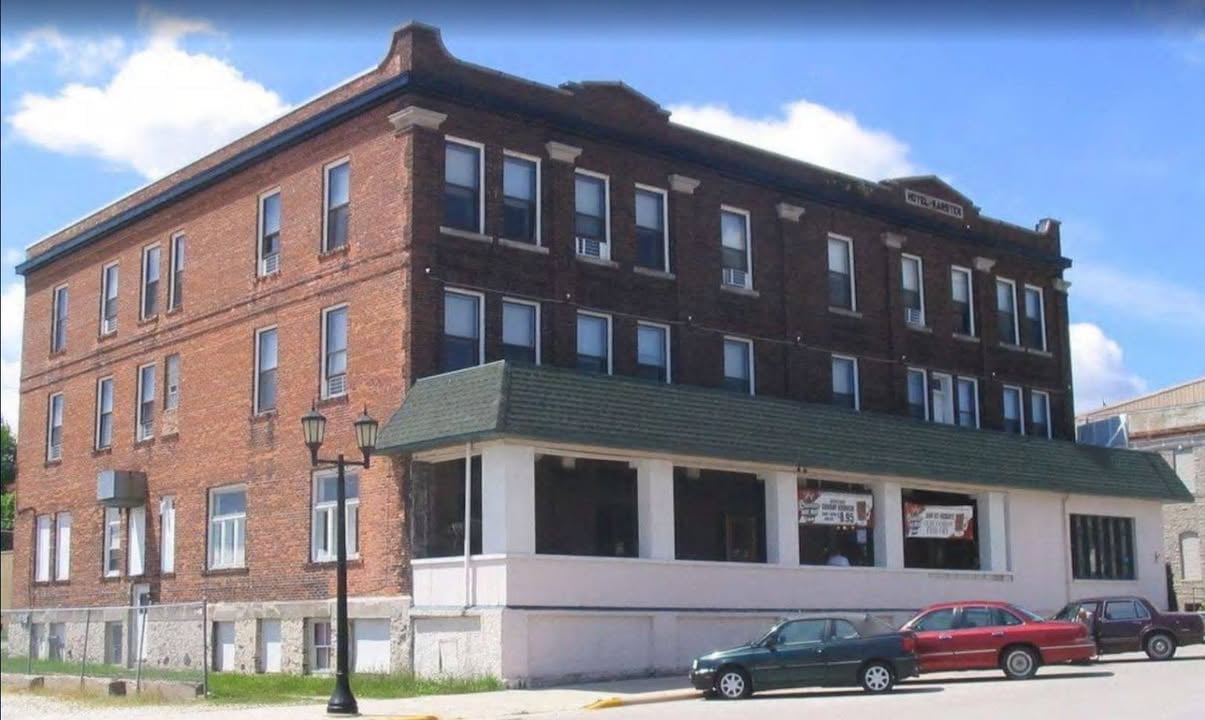
Ephraim Wells, grandson of the city's founder, recognized that the boom required infrastructure proper to it. Construction on the Hotel Wells, as it was originally named, began in 1894 and was completed in early 1895. The two-story brick building features a two-story wraparound verandah, mosaic tile floors, oak woodwork, and a tiled fireplace. It opened to the public on January 15, 1895.
The oil boom collapsed by 1910, but the hotel survived through a series of owners and renovations. In the 1990s it was added to the National Register of Historic Places. After deteriorating in the early 21st century, the property was purchased by Sistersville businessman and oil industry executive Charles Whipkey in 2010, who funded a multi-year restoration. The Inn reopened with its 1890s decor preserved and modern systems installed. Renovation of the hotel is continuing, and a studio in the building is currently offered as an overnight stay.
Ephraim Wells maintained an office and personal apartment on the second floor of the hotel during his ownership. He died in 1937. Staff and guests describe phenomena that consistently center on those rooms.
Sources
- https://en.wikipedia.org/wiki/Wells_Inn
- https://theresashauntedhistoryofthetri-state.blogspot.com/2011/03/wells-inn-sistersville_18.html
- https://wvexplorer.com/attractions/historic-landmarks/the-wells-inn/
- https://theclio.com/entry/32415
- https://frightfind.com/wells-inn/
Phantom soundsPhantom footstepsDoors opening/closingCold spotsEquipment malfunction
The Wells Inn's reported activity is unusually specific. The center of it is Ephraim Wells, the founder, who kept his office and personal quarters on the second floor for the four decades he owned the building. The most consistent phenomenon is auditory: the scratching sound of a pen against paper, heard in rooms that were once used as his writing space.
Guests and staff describe footsteps moving along the second-floor corridors, sometimes accompanied by the sound of a door opening or closing in an unoccupied area. The Inn has back staircases and obscure connecting passages, the kind of architectural complications common in 19th century commercial buildings, and footsteps occasionally seem to follow these less-trafficked routes.
Room 324 has its own particular reputation. A housekeeper reported attempting to enter the room and finding the door sealed as if held shut from inside. According to her account, three successive attempts to push the door open failed; on the fourth attempt, the door swung open normally with no resistance. The room is otherwise unremarkable, but its name comes up repeatedly in guest accounts.
The building's elevator has also drawn comments. Staff have reported the elevator traveling between floors with no passengers and stopping on the third floor when no one has called it. Whether this is a quirk of the original 1895-era mechanical system, modernized but never wholly replaced, is an open question.
The Wells Inn does not market itself as a haunted destination. The reports come from guests and staff, often offered as asides during normal conversation. Wells himself is described as protective rather than threatening, which is consistent with his historical reputation as a careful manager of his property.
Notable Entities
Ephraim Wells