Appalachian Family Cemetery · Harts Creek Community
The community of Harts sits in Lincoln County in southern West Virginia, on the Lincoln-Logan county line in the Harts Creek drainage. The area is part of the broader southern West Virginia coal-country corridor and was settled by Scotch-Irish and English-descent families through the eighteenth and early nineteenth centuries.
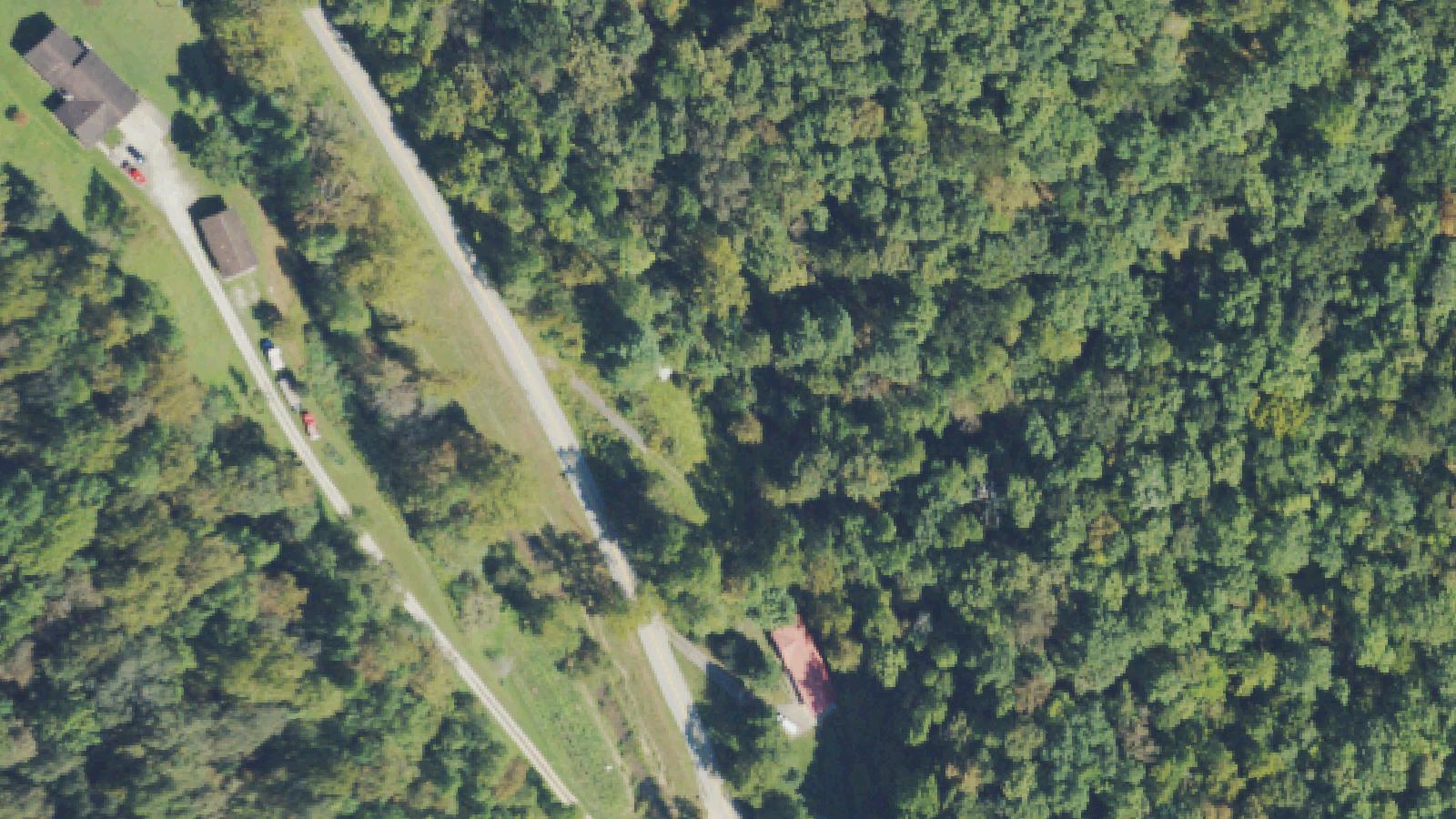
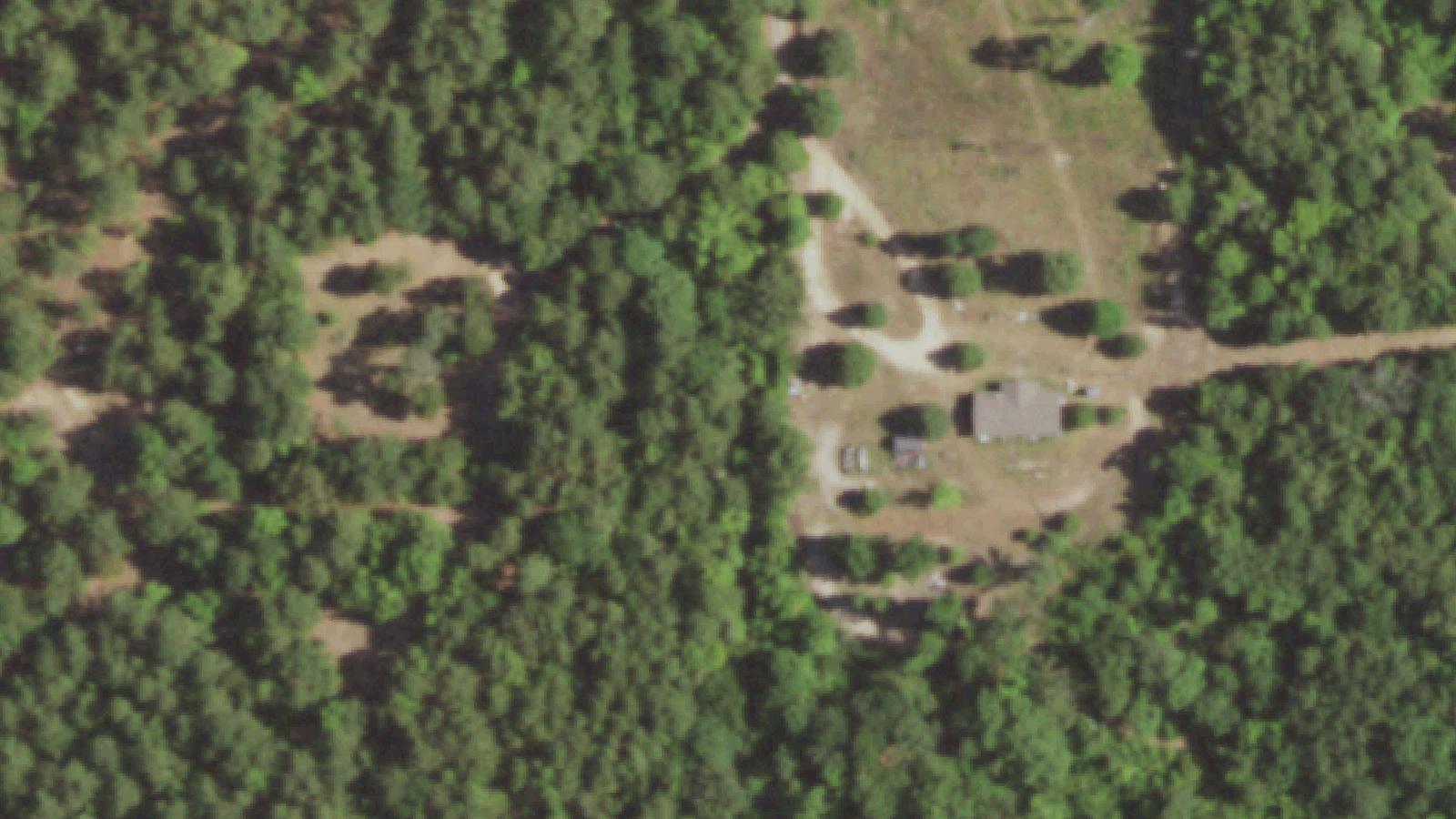
The Spry-Lambert Family Cemetery sits in Dry Branch Hollow, a small tributary valley near Harts. The cemetery is documented through the West Virginia Cemetery Preservation Association's Lincoln County registry, Find a Grave entries, and obituary records noting family services held at the Lambert-Spry Family Cemetery. The cemetery serves several generations of Spry and Lambert family members with deep roots in the Harts Creek community.
Lincoln County's hollows host dozens of small family cemeteries of this type, typically on land originally owned by the families they served. They are largely maintained by descendant communities rather than by formal cemetery associations, and access is generally informal but property rights remain with the families. Researchers and visitors interested in southern West Virginia genealogy should consult the WVCPA registry and connect with descendant organizations before visiting.
Sources
- http://www.wvcpaweb.org/cemeteryregister/Lincoln/LincolnCoCemetery.html
- https://www.tributearchive.com/obituaries/24619513/phyllis-ann-lambert
- https://loganwv.us/old-home-pace-harts-creek-wv/
Apparitions
The folklore attached to the Spry-Lambert Cemetery is recognizably Appalachian in form. Two principal stories circulate.
The first concerns a woman said to be buried in the cemetery alongside her stillborn son. According to the lore, the dates of their deaths can be clearly read on the gravestone under a full moon, and the woman is occasionally reported rocking the infant in white. The story is local tradition, and no particular grave should be assumed to be the one it describes.
The second story is a classic Appalachian devil-on-the-bridge narrative. A man in the 1950s reportedly boasted to family and neighbors that he was mean enough to whip the devil himself. According to the tradition, the devil appeared to him on the foot bridge of the cemetery and challenged him to fight, declining to cross the running water beneath the bridge. The next day, a boy walking with the man reportedly saw cloven hoofprints burned into the wood of the bridge. The narrative tracks a much older European and Appalachian folkloric tradition about the devil's inability to cross running water, and should be read as community folklore rather than as a documented incident.
Hauntbound's editorial approach to Appalachian family cemeteries is that the folklore is a living cultural expression of community memory rather than evidence of paranormal activity. Visitors should respect the descendant community, the cemetery as active burial ground, and the privacy of the surrounding homes in Dry Branch Hollow.