Scottish Immigrant Settlement · West Virginia Folklore · Little Kanawha River History
Thomas and Mary Marr emigrated from Scotland and settled in what became Marrtown in 1836, establishing a farming community one mile south of the growing river town of Parkersburg. They survived the Civil War — Thomas reportedly lost property during the conflict — and he subsequently went to work as a night watchman at the Parkersburg freight depot.
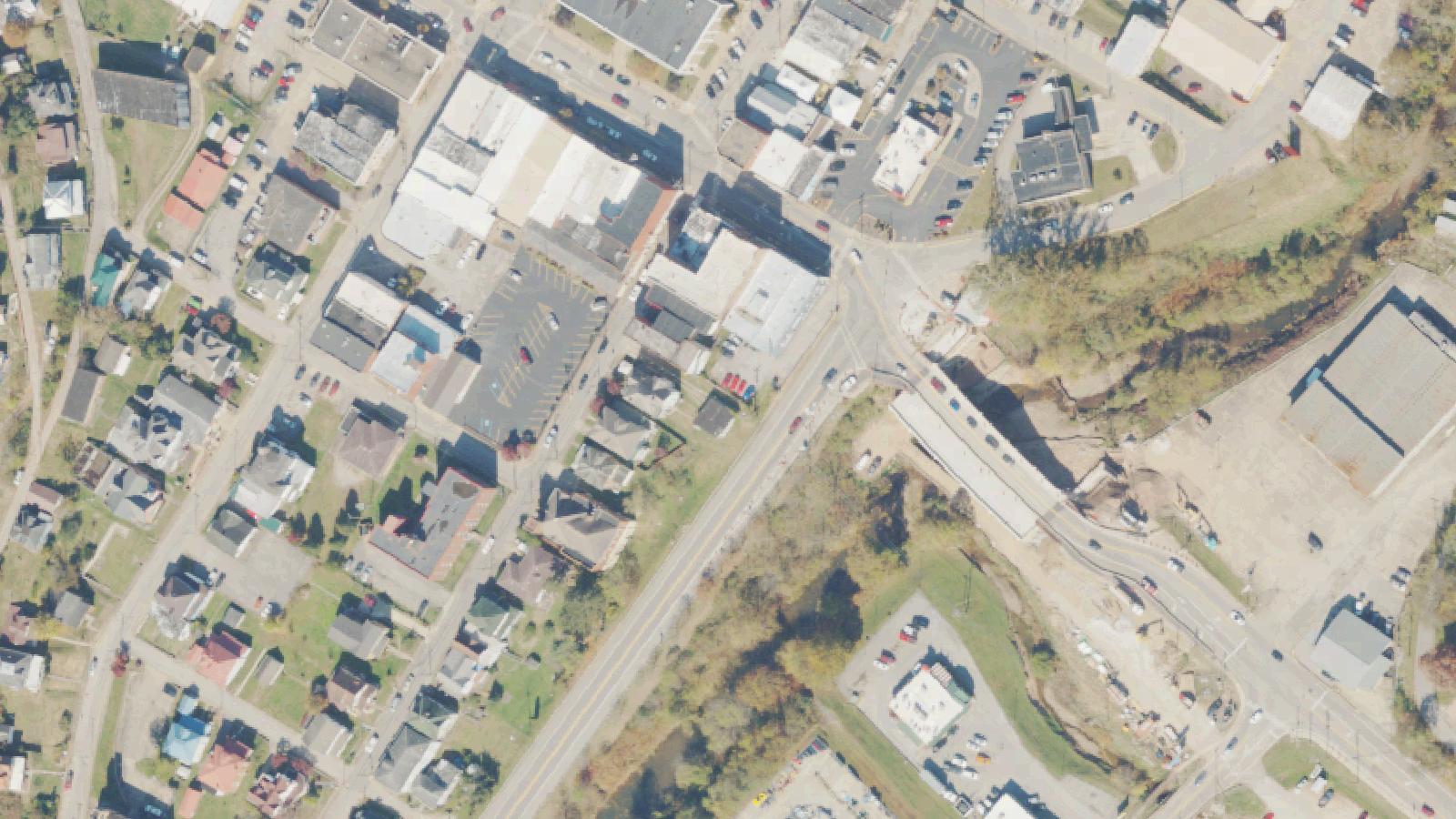
The best-documented account is a newspaper notice of February 12, 1874, which says Thomas was found dead near the platform of the freight depot and suggests he may have fallen while trying to clean out a stove pipe. A cemetery transcript also places his death in 1874. Later folklore moved the death to the toll bridge and the river and offered several versions: robbery and shooting by a renegade ex-soldier, an accidental fall into the river, and — the version the Marr family maintained — that the death cry of the family banshee startled him from the bridge. These later versions are folklore, not settled history.
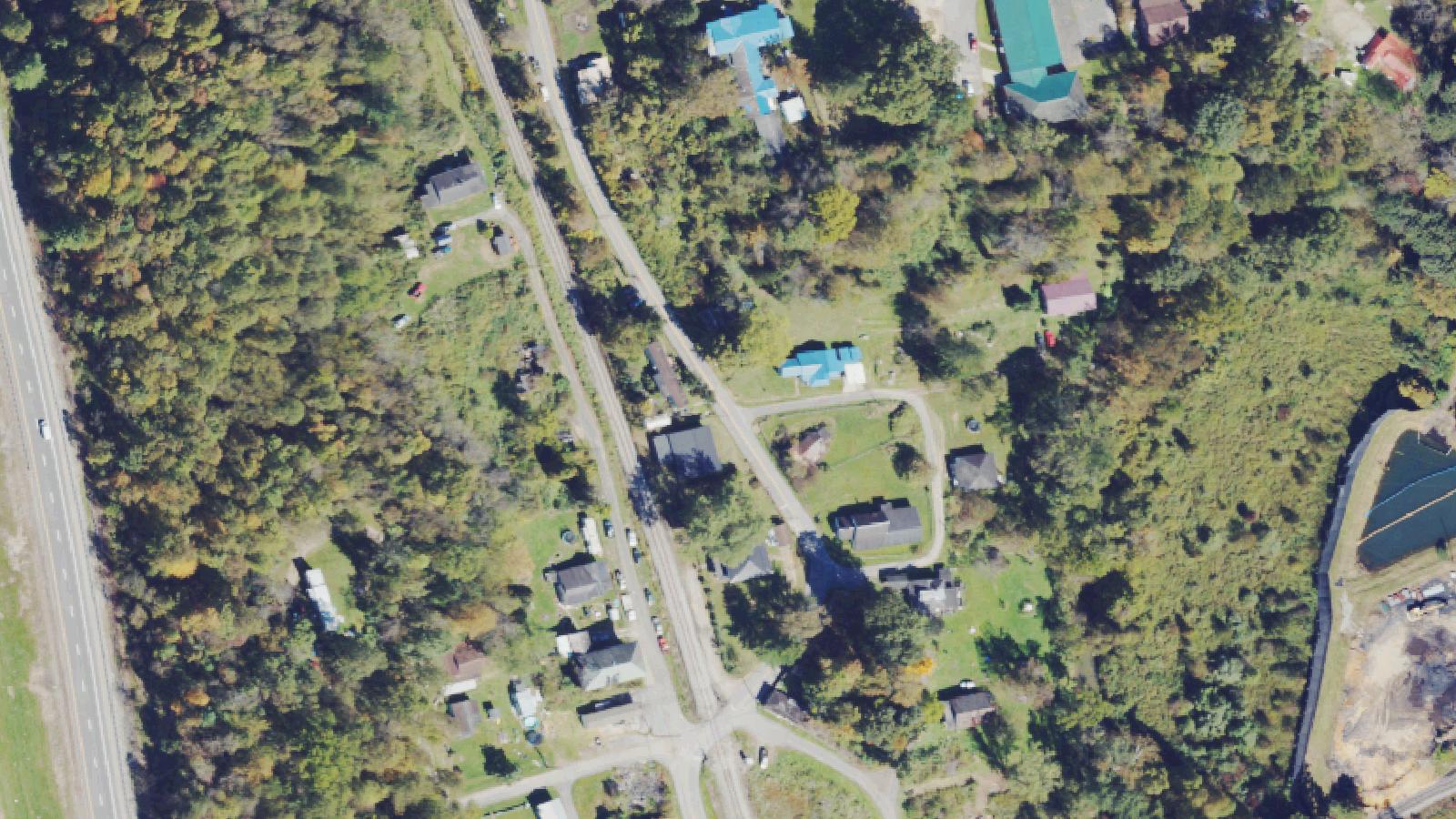
The community Thomas and Mary established on Marrtown Road persisted long after their deaths. The Marr name survives in the neighborhood name, the street name, and in the Marrtown Road Church of Christ, which still operates at an address on Marrtown Road. The story of the Marr banshee was covered in an episode of the Canadian documentary series Creepy Canada (Season 2, 2006), which examined West Virginia and Canadian regional legends.
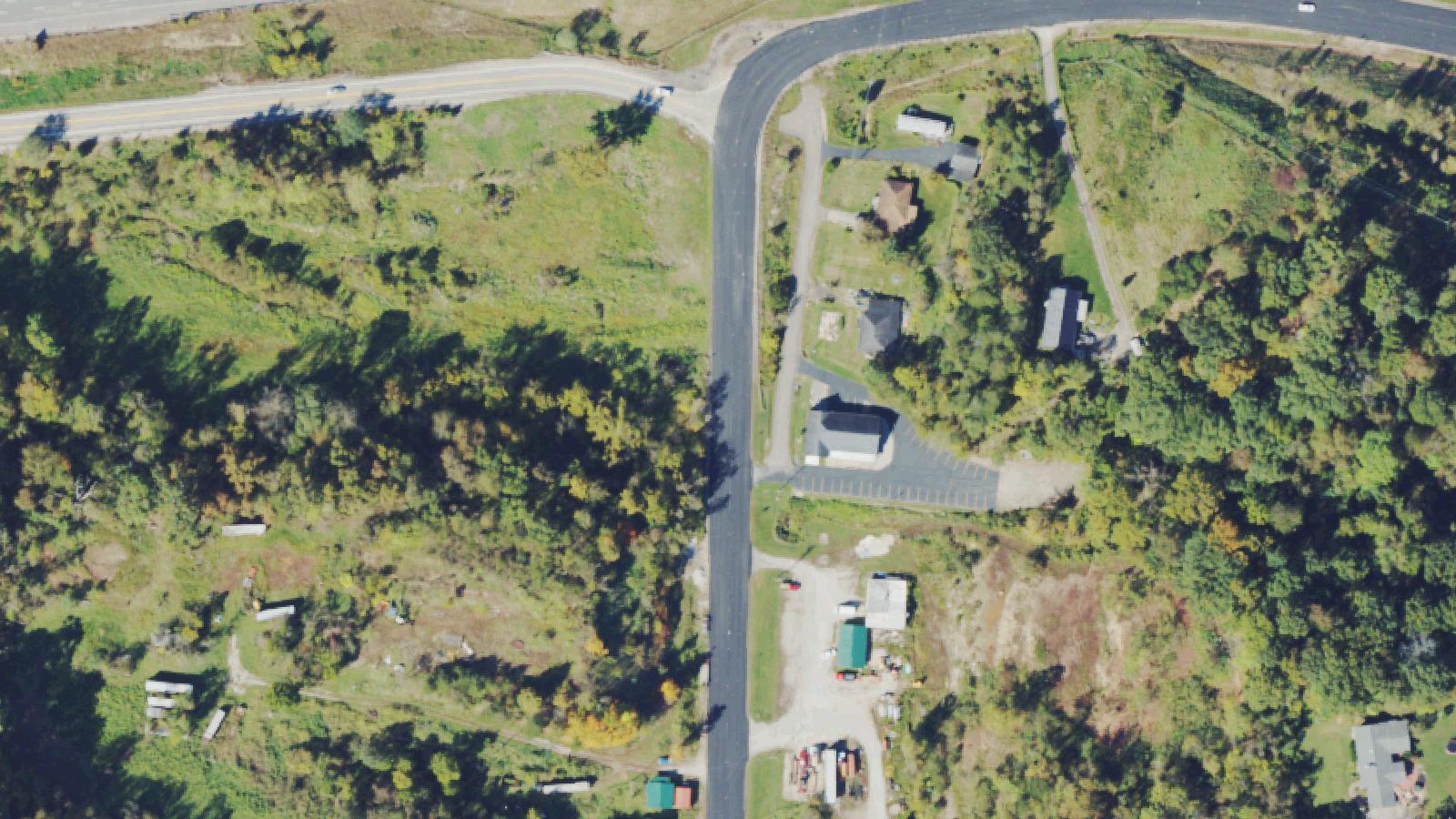
Marrtown Road today is a quiet residential street in Wood County, traversed by ordinary traffic passing a 7-Eleven at number 20.
Sources
- https://arcanebeastsandcritters.wordpress.com/2018/06/18/the-banshee-of-marrtown/
- https://leshalfhill.wordpress.com/history-of-marrtown/
- https://www.imdb.com/title/tt0550269/
- https://www.newsandsentinel.com/news/community-news/2021/09/guiding-spirit-sheppards-legacy-to-live-on-as-haunted-parkersburg-tours-resume/
- http://hauntedparkersburg.blogspot.com/2014/09/thebanshee-of-marrtown-by-susan.html
ApparitionsPhantom soundsDisembodied screamingSensed presence
The Marr family brought with them from Scotland a belief system centered on the banshee — the Irish and Scottish death-fairy who attaches herself to specific clans and announces imminent death. In the Highland and Scots-Irish tradition, the banshee's appearance is not a metaphor; she is a distinct entity with a specific appearance: typically robed in grey or white, sometimes astride a white horse, with eyes reddened from grief.
Thomas Marr told his wife on multiple occasions that he had seen a grey-robed rider on a white horse while traveling between the family farm and the Little Kanawha toll bridge at night. He could never discern the figure's face.
In the legend as told, Mary Marr woke with a sense of dread before dawn on the night her husband died. She looked out the window and saw the white horse and its rider approaching the front of the house. She went outside. The rider was an old woman with eyes that appeared to glow with an unnatural light. The woman said that Thomas was dead and told Mary to say her prayers. Then the horse and rider were gone. Within the hour, a coworker arrived at the farmhouse with the news that Thomas Marr's body had been found in the river. This river version is later folklore; a February 12, 1874 newspaper notice places his death near the freight depot.
The banshee returned when Mary Marr died — accounts describe a horrible scream filling the house at the moment of her death. Members of the extended Marr family have reported encounters with the entity across generations, maintaining a tradition that frames the appearances as genuine ancestral contact rather than fiction.
The banshee legend's appearance on Creepy Canada in 2006 brought it to a wider regional audience without reducing it to sensationalism — the episode treated the Marrtown tradition with historical context. The Banshee of Marrtown story is also told on the Haunted Parkersburg Ghost Tour, a separate operator's seasonal walking tour that begins at the Blennerhassett Hotel in downtown Parkersburg.
Notable Entities
The Banshee of MarrtownThomas Marr