Est. 1912 · National Register of Historic Places · Vaudeville-Era Theater · Mountain Stage Venue
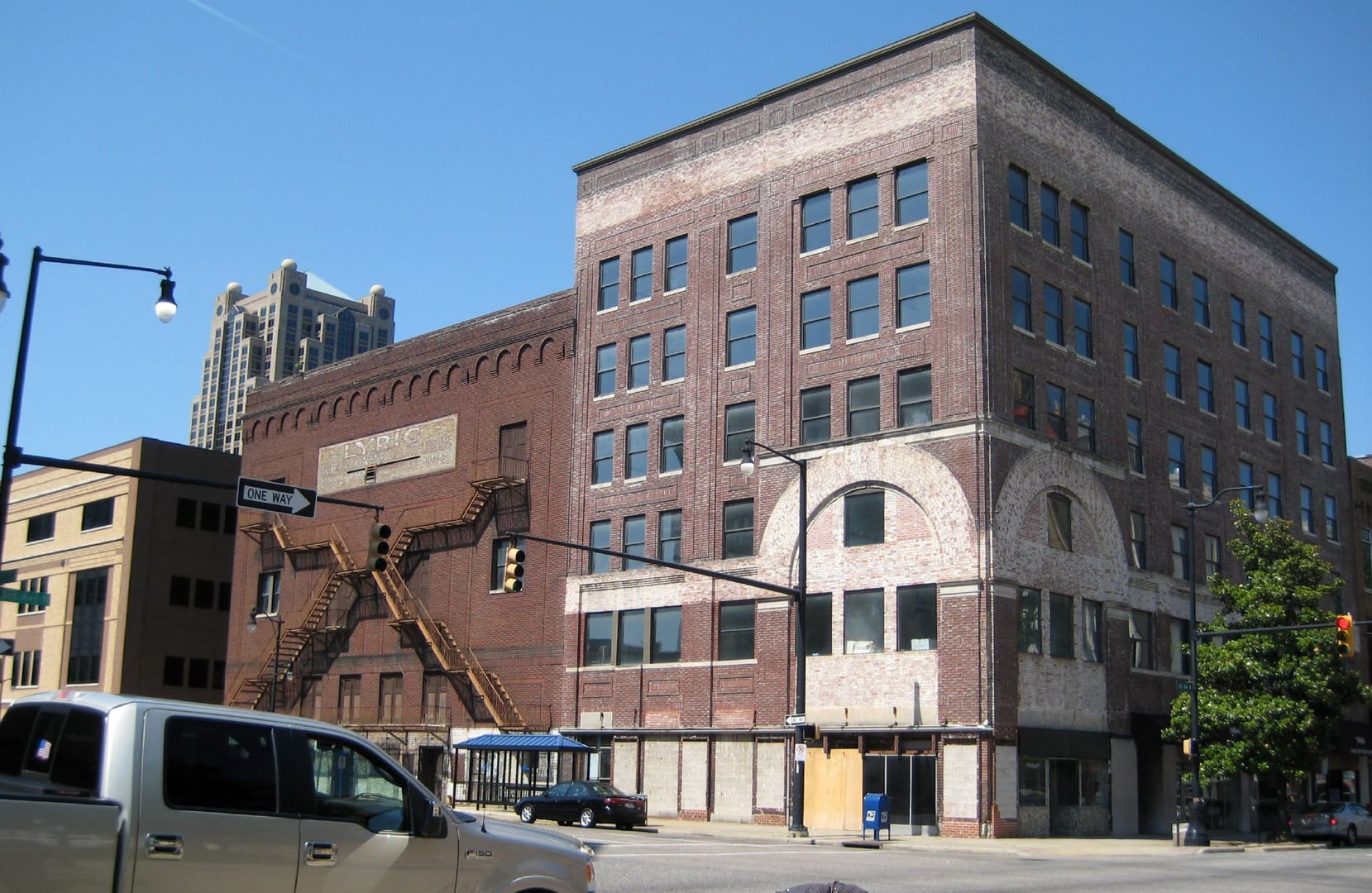
The Capitol Plaza Theatre opened in 1912 on Summers Street in downtown Charleston, West Virginia, designed by architect P. Norwood Higgins as a vaudeville venue with attached commercial and office space. In 1919 new owners undertook a remodel that added a Wurlitzer pipe organ, a projector room, an expanded marquee, and exterior signage as movies began to displace live vaudeville.
A fire around 1922 destroyed much of the original interior. The building was extensively rebuilt and redesigned for film exhibition and continued to operate as a movie house through the middle of the twentieth century. By 1981, competition from suburban multiplex chains forced the theater to close.
In 1985 a partnership of twenty-eight area investors purchased the property and reopened it as the Capitol Plaza Theater, a performing arts center. The same year, the building was added to the National Register of Historic Places. The venue hosted West Virginia Public Radio's nationally distributed Mountain Stage music program for several seasons and has welcomed touring artists across the rock, alternative, and indie circuits. In 1991, outstanding debt was forgiven and the property was donated to West Virginia State College, now West Virginia State University, which operates the building as the WVSU Capitol Center.
The Shadowlands listing references a Welch family mansion that supposedly stood on the site beginning in 1798. We found no archival corroboration of a Welch Mansion at this specific location in Charleston, and the dates do not align cleanly with the documented history of Capitol Street development. That detail is presented as unverified legend rather than established fact.
Sources
- https://en.wikipedia.org/wiki/Plaza_Theatre_(Charleston,_West_Virginia)
- https://wvhistorictheaters.com/lost-theaters/wvsu-capitol-center/
- https://wvtourism.com/company/west-virginia-state-university-capitol-center-theatre/
- https://cinematreasures.org/theaters/18131/
- https://theclio.com/entry/14139
- https://www.wvgazettemail.com/life/new-ghost-tour-to-touch-on-the-historic-and-paranormal-of-charleston/article_ff6508e8-a6bc-11ef-b60d-bfbedaf227da.html
- https://www.ghostquest.net/haunted-places-charleston-west-virginia.html
ApparitionsCold spotsObject movement
Theater-staff retellings center on two figures. The dominant presence is described in local oral tradition as John Welch, said in legend to have lived in a family mansion that occupied the site before the theater. Stories attribute small pranks and minor mischief in dressing rooms and around the stage area to him, with a particular sense of protectiveness over performers using the space.
A second figure is described as a young girl named Molly, reportedly seen on rare occasion seated in the front row of the balcony during stage work. Local tradition assigns her a 19th-century death from pneumonia, but we found no period newspaper, census, or burial record that confirms the names, dates, or family lineage attached to either figure.
With the original Welch Mansion claim unverifiable, both names and dates should be treated as local legend rather than history. Reported activity beyond names is restrained — a cold sensation when entering particular backstage areas, a sense of being watched, and occasional unexplained movement of small items. There are no published paranormal investigations of the venue.
Notable Entities
John WelchMolly
Media Appearances
- Mountain Stage (NPR / West Virginia Public Radio)