Est. 1851 · Wisconsin Pioneer History · Parker Pen Heritage · National Park Service History · Garden Cemetery
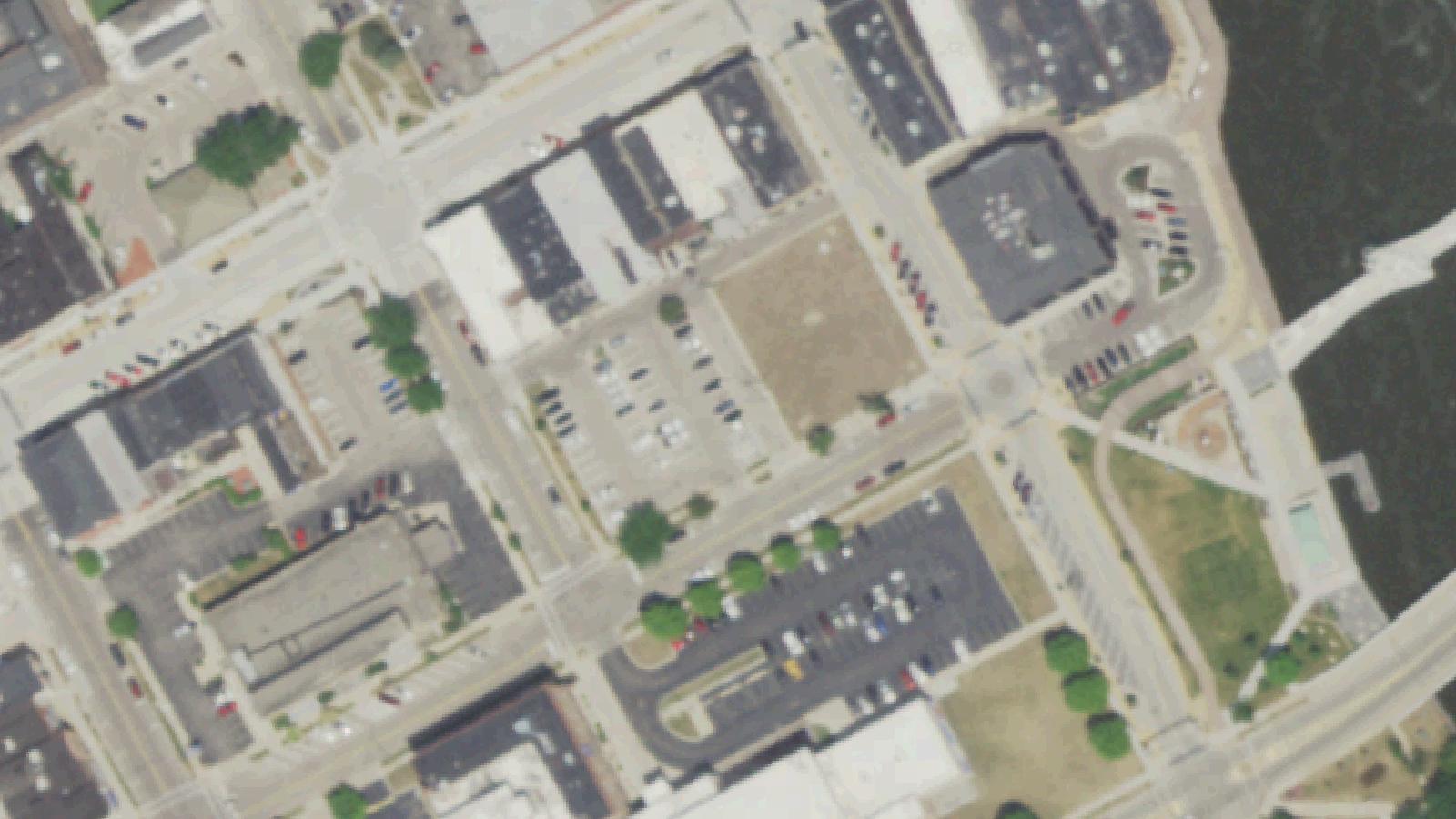
Oak Hill Cemetery was founded on January 8, 1851, when the Wisconsin Legislature passed an act enabling the formation of cemetery associations and authorizing the Oak Hill Cemetery Association to purchase land outside the Janesville city limits. The site was donated by the Rock County Board of Supervisors. The cemetery's creation responded to a specific civic problem: Janesville's earlier graveyard, at the location of the present Jefferson Park in the Courthouse Hill neighborhood, was needed for a new public high school. The earliest pioneer settlers, many of them Yankees who had arrived in Rock County during the 1830s and 1840s, were disinterred and reburied at Oak Hill.
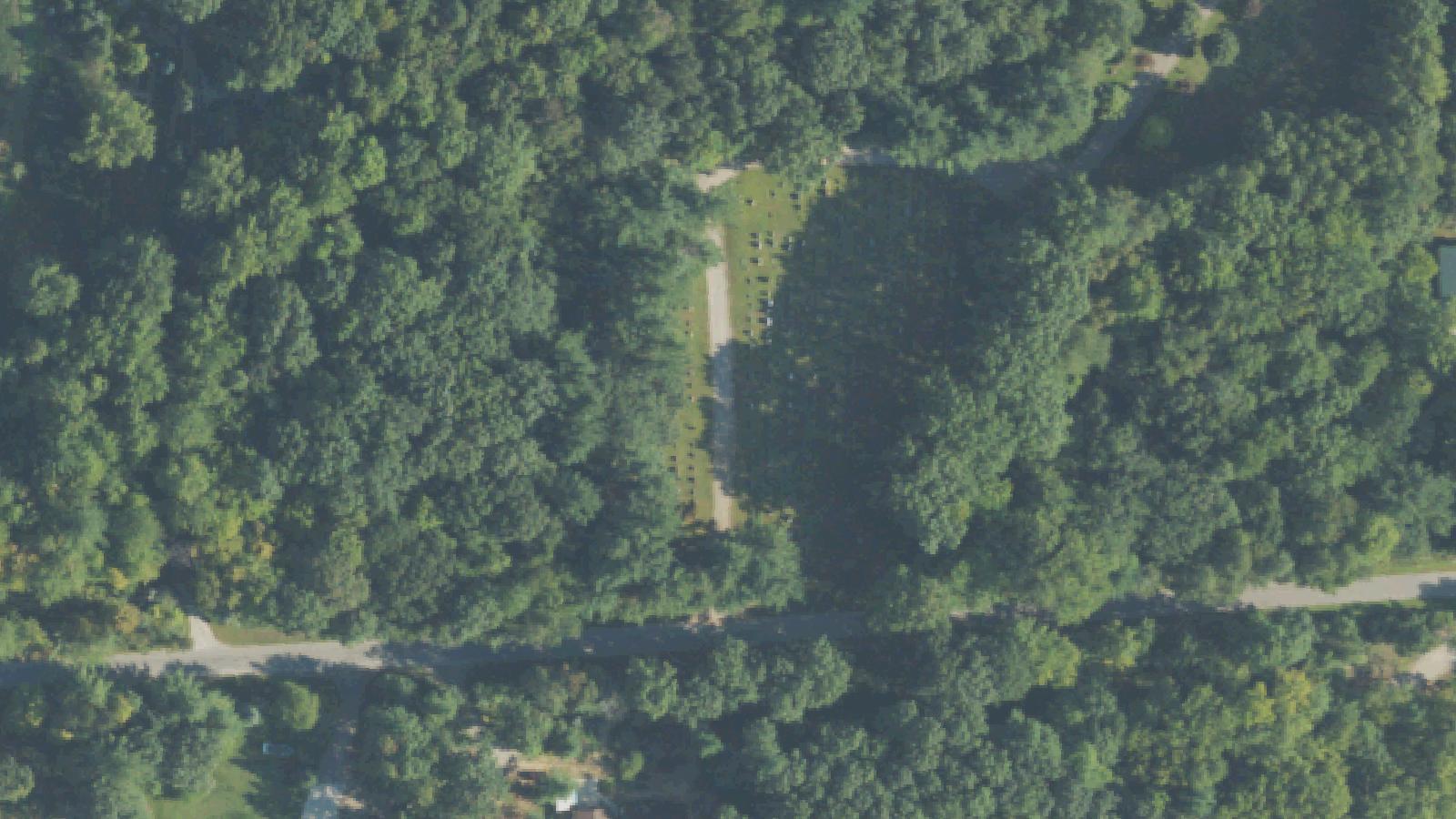
The original 20-acre cemetery expanded to 56 acres by the 1870s and eventually to 85 acres. The grounds are landscaped in the garden-cemetery tradition popular in the mid-nineteenth century, with mature trees, internal roads, and rolling terrain.
Oak Hill contains more than 24,000 burials, including notable Janesville and Wisconsin figures: George S. Parker, founder of the Parker Pen Company; Arno B. Cammerer, the third director of the National Park Service, for whom Mount Cammerer in the Great Smoky Mountains is named; Medal of Honor recipient James E. Croft; lightweight boxing champion Sammy Mandell; race-car driver Stan Fox; and Congressman Stephen Bolles. Sherry Thurner's Oak Hill Cemetery Walks blog and the Rock County Genealogical Society maintain ongoing documentation of notable burials.
Sources
- https://en.wikipedia.org/wiki/Oak_Hill_Cemetery_(Janesville,_Wisconsin)
- https://www.findagrave.com/cemetery/88594/oak-hill-cemetery
- http://walkoakhill.blogspot.com/
- https://theclio.com/entry/24697
Apparitions
Oak Hill Cemetery's paranormal reputation rests on a single piece of folklore preserved on the Shadowlands Haunted Places Index: a brief 2000s-era submission describing a headless male figure reportedly walking the cemetery grounds at night. No newspaper coverage, Rock County Historical Society material, paranormal-investigation report, or other independent documentation of this account has been located in current research.
The cemetery's well-documented civic and biographical history — pioneer-era reburials, garden-cemetery landscaping, and prominent Wisconsin burials — anchors its actual interest as a dark-tourism site. The headless-figure folklore is presented here as thin local tradition rather than corroborated phenomena.