Rural Cemetery History
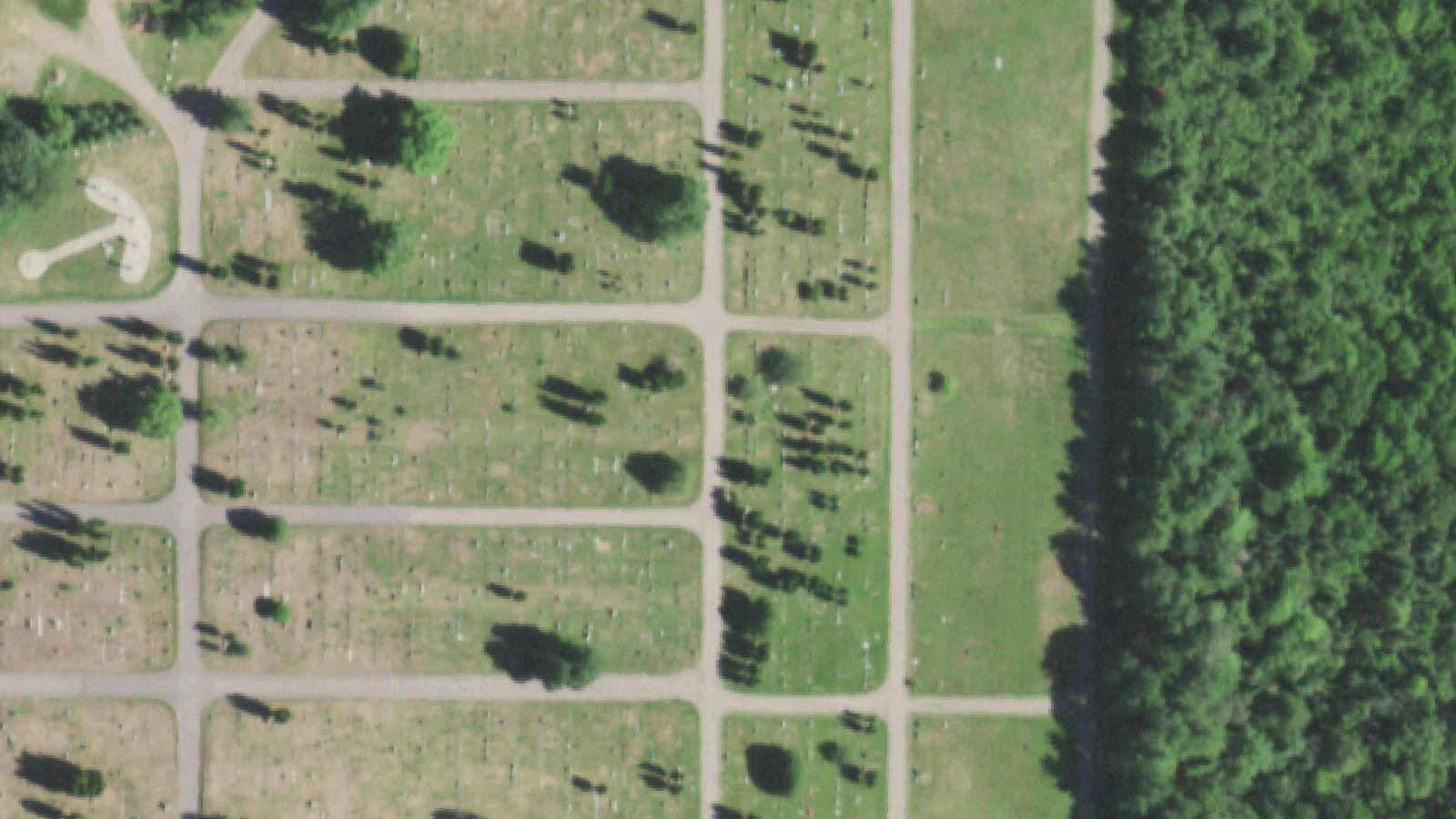
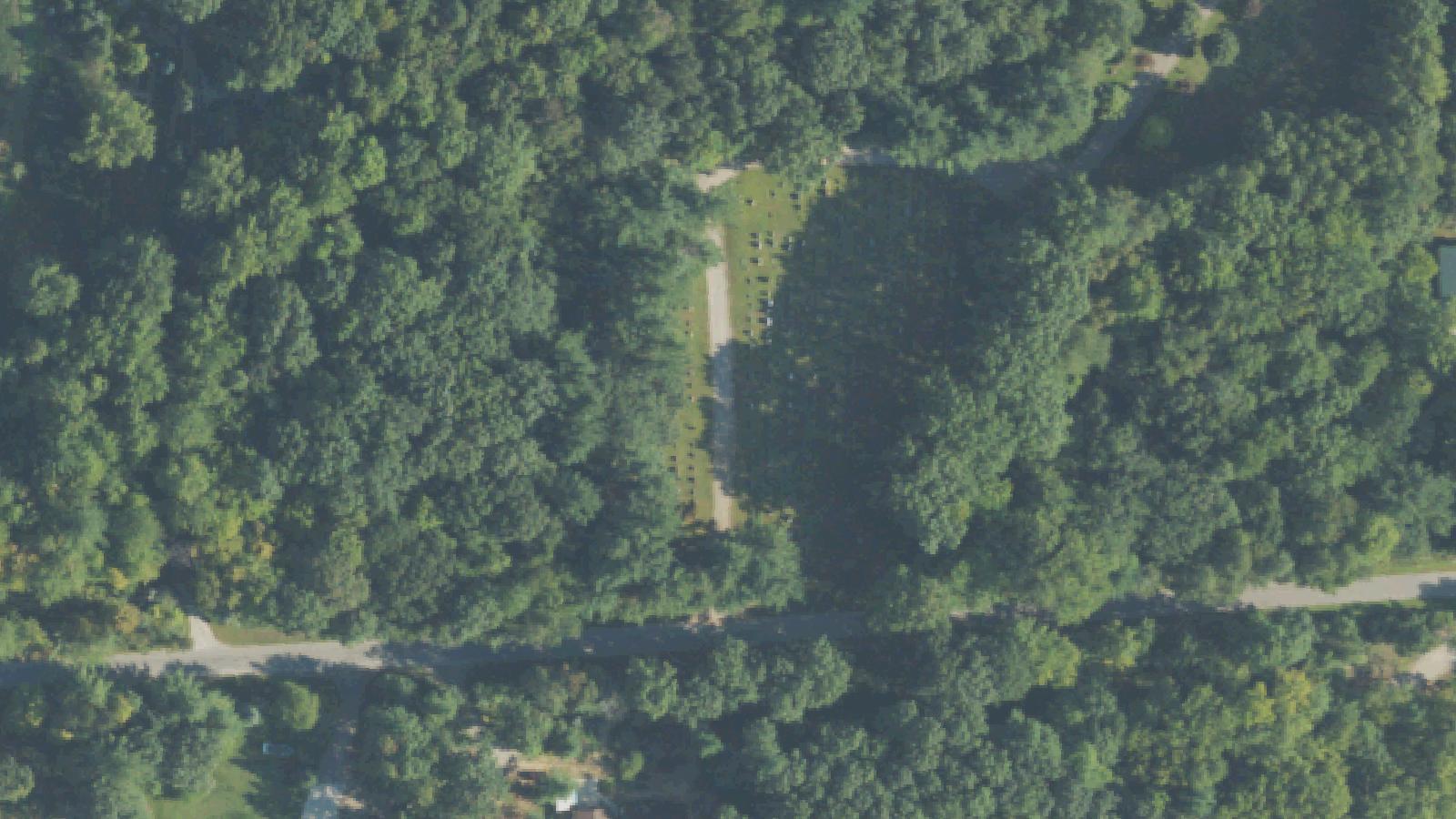
Nola Cemetery occupies a rural parcel in the Park Falls area of Price County in northern Wisconsin. The region is characterized by dense forest and a sparse settlement pattern inherited from the logging era that defined Price County's development in the late 19th and early 20th centuries.
The cemetery is named for Nola Dell Blackburn, born September 26, 1896, who died November 9, 1902 at age six. Her burial was the first on the site and led residents to name the new burial ground in her memory. The practice of naming small rural cemeteries after their first or most prominent occupants was common in frontier Wisconsin. Nola Dell Blackburn's grave and the surrounding family lots remain documented in the Price County Genealogical Society's transcription of the cemetery, which records hundreds of burials added over the following century.
The cemetery is maintained by the City of Park Falls, which holds the burial records. Access is via Highway 182 to Case Avenue South, in the town of Eisenstein. The Price County Genealogical Society has compiled an alphabetical roster of marked and unmarked graves at the site as a regional genealogical resource.
Sources
- https://cityofparkfalls.com/nola-cemetery
- http://pricecountygenealogicalsociety.org/cemInfoNola.html
- https://www.findagrave.com/memorial/16795254/nola-dell-blackburn
- http://www.pricecountygenealogicalsociety.org/pdf/Cemetery/nolaParkFallsALPHA.pdf
Residual haunting
The legend at Nola Cemetery is spare. A young girl — Nola Dell Blackburn, age six — died in November 1902, and her burial brought the cemetery into being. Local tradition holds that she remains.
There is no dramatic event attached to the cemetery, no named violence, no claimed sighting of specific form or feature. The paranormal attribution is ambient: a sense of presence, a feeling of being observed from the tree line, the general quality that small rural cemeteries in isolated northern Wisconsin naturally generate in the minds of those who enter them.
That is not nothing. The cemeteries of rural northern Wisconsin were often established in circumstances of genuine grief and limited community resources. The first burial in any such place carried particular weight — a founding act of collective mourning. The Blackburn family's loss in 1902, documented in cemetery transcriptions and Find a Grave records, anchors what is otherwise quiet, gentle folklore around the site.