Est. 1898 · Built by Spokane pioneer James Monaghan (1839-1916) · Acquired by Gonzaga University in 1942 · Continuously used as the university's Music Building since 1942 · One of the best-preserved 1890s Victorian mansions in continuous institutional use in Spokane
James Monaghan (1839-1916) was an Irish-born Spokane pioneer who arrived in the Pacific Northwest in the 1850s and built successive fortunes hauling freight, supplying the U.S. Army, trading with regional tribes, and later in real estate, railroads, and mining. He commissioned the three-story Victorian mansion at what is now 502 E. Boone Avenue in 1898, with a turret, encircling wide porch, and richly detailed interior woodwork.
Monaghan died of natural causes in the home in 1916 at the age of 75. The family retained the mansion for over two decades before selling it to Gonzaga University in 1942. Gonzaga, a Jesuit institution founded in 1887, has used the building continuously since then as its Music Building, housing the Music Department's classrooms, faculty offices, practice rooms, a piano lab, and a computer lab. The building is sometimes called the Music Mansion to distinguish it from later Music Department construction.
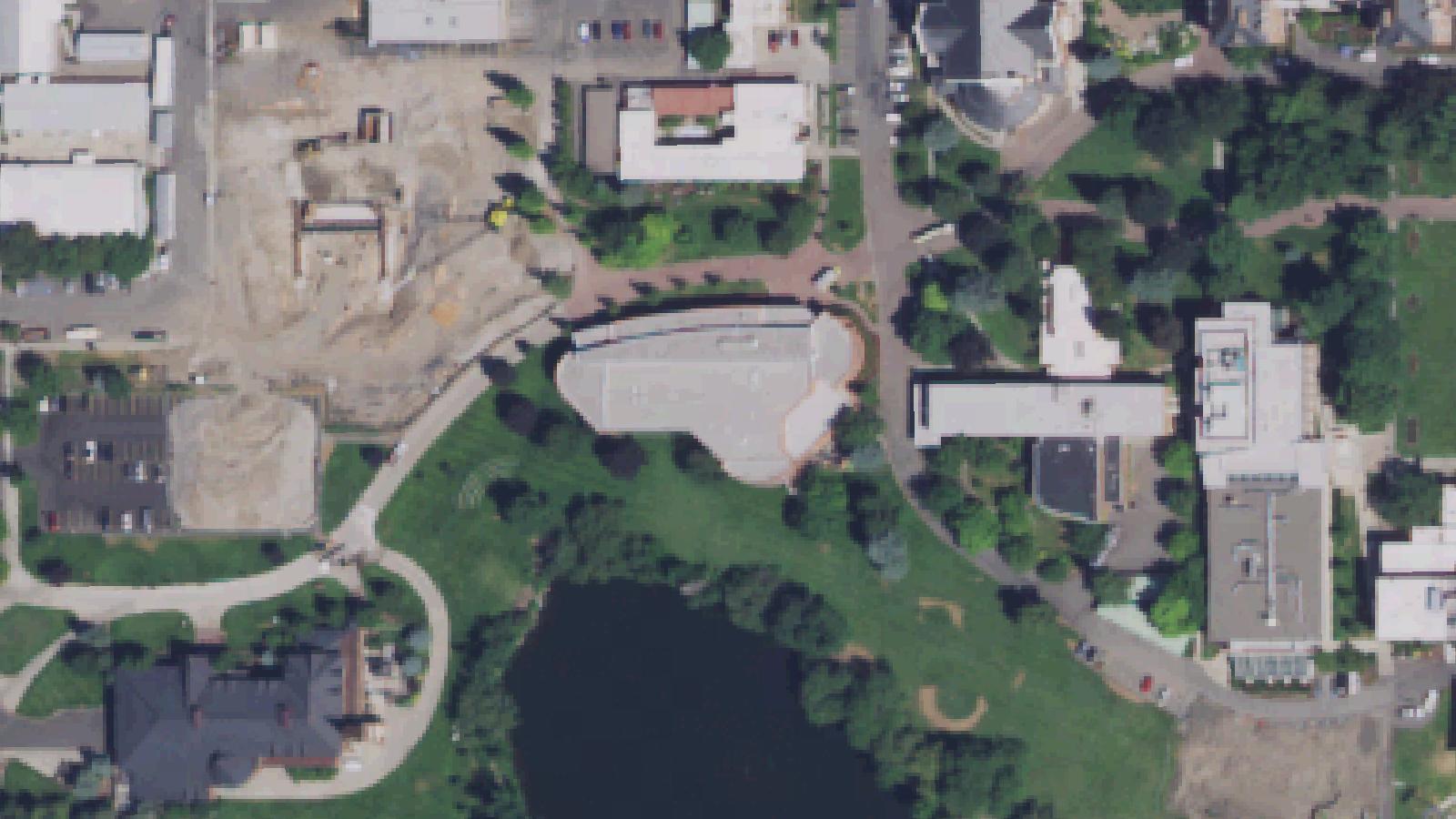
Monaghan Hall sits on the west end of the Gonzaga campus, fronting the campus mall. It is one of the few intact 1890s Spokane mansions in regular institutional use, and its turret is a recognizable campus landmark visible from Boone Avenue.
Sources
- https://www.gonzagabulletin.com/arts_and_entertainment/eerie-tales-and-ghosts-galore-the-music-mansions-mysterious-history/article_1679ef82-180d-11eb-9c63-5b8c3f9a5642.html
- https://digital.gonzaga.edu/digital/collection/p16011coll4/id/93/
- https://hauntedhouses.com/washington/monaghan-hall/
- https://psinw.wordpress.com/haunted-location-of-the-month/january-2014-monaghan-hall/
Organ music heard in a locked, empty organ room (Nov. 1974)Flute music heard by Father Leedale in empty building (Jan. 1975)Crucifix swinging on its own during prayers (Feb. 1975)Footsteps and presence reports preceding the 1975 rite
According to the Gonzaga Bulletin's reporting, in September 1974 music students reported strange footsteps to Father Walter Leedale, an associate professor of music. Skeptical, Leedale slept in his office to disprove the claims and instead became convinced the mansion was disturbed. In November 1974 a cleaning-staff member returned to the empty building after hours to retrieve an item and heard organ music — ten or twelve notes of a melody being picked out as if by one finger — coming from a locked, dark organ room. When she unlocked the door, the room was empty, the windows locked, and the music continued; she reported watching the organ keys depress on their own. In January 1975, Father Leedale himself heard a flutist playing a melody in an empty building.
On February 24, 1975, Father Leedale, assisted by Daniel Brenner holding holy water and a small group of supporters, began a rite consisting of six prayers said over four days. Per the published Gonzaga Bulletin account, during the prayers Leedale's crucifix would sometimes swing so strongly that he had to grip it with one hand while holding the prayer book with the other. By February 28, 1975, those involved reported that the presence was gone, and subsequent reports of phenomena largely ceased.
Gonzaga University has consistently declined to characterize what occurred as an exorcism. Father Leedale himself later described the rite as 'basically a simple house blessing, not unlike when a faithful Christian couple asks me to bless the bedroom of their newborn baby.' The Music Department continues to occupy the building and current staff have at times publicly denied the haunting reputation. The lore is independently documented across the Gonzaga Bulletin (university press), KREM-TV ('Haunted Spokane: Gonzaga music building carries a spooky tune'), Paranormal Scientific Investigations Northwest, and HauntedHouses.com.
Notable Entities
Unnamed presence reported gone after Feb. 28, 1975 rite