Est. 1857 · Ebey's Landing National Historical Reserve · First National Historical Reserve in the United States · Haida-U.S. Conflict History · Washington Territory Settlement · Isaac N. Ebey Historical Legacy
Colonel Isaac Neff Ebey arrived on Whidbey Island in 1850 as one of its earliest permanent American settlers and became the island's first U.S. Customs Collector. He staked a Donation Land Claim on the prairie above the bluff that now bears his name — Ebey's Landing — and established a homestead with his family.
In August 1857, a northern Alaska Native raiding party traveled south to Whidbey Island seeking retribution for an event that had occurred the previous year: the U.S. Navy vessel Massachusetts had fired on a group of Native people near Port Gamble, killing a chief and about 27 tribal members. The raiders targeted Isaac Ebey — as a prominent American official — as a person of equivalent standing to the slain chief. Traditional accounts most often attribute the raid to the Kake Tlingit of southeast Alaska (a historical marker at Ebey's Landing names the Haida), but the raiders' specific identity was never definitively confirmed.
On the night of August 11, 1857, the raiding party attacked Ebey's homestead. He was killed and decapitated. His head was taken north as a trophy — a documented practice in Northwest Coast warfare of the period. Roughly three years later, Hudson's Bay Company Captain Charles Dodd negotiated for the return of Ebey's scalp, trading blankets and goods to secure it. The scalp was returned via Port Townsend to Ebey's brother Winfield in 1860. Whether it was subsequently buried with Ebey's remains at Sunnyside Cemetery remains disputed in Ebey family documents.
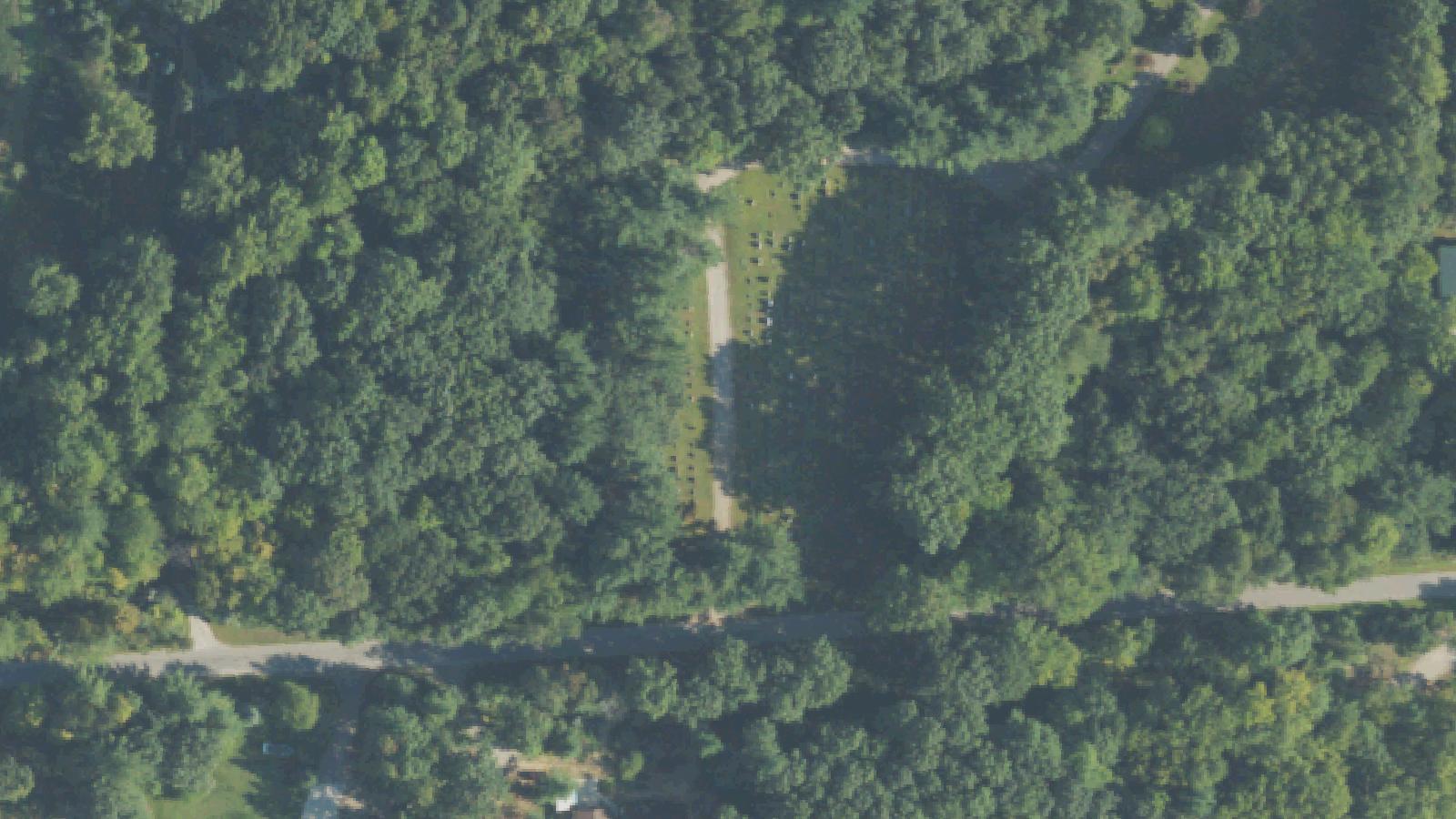
The Ebey family cemetery was established by Mary Ebey Bozarth on the family's Donation Land Claim. It became Sunnyside Cemetery, where Isaac Ebey's headstone — marking his death at age 39 — still stands. The cemetery is part of Ebey's Landing National Historical Reserve, which was established as the first National Historical Reserve in the United States.
Sunnyside Cemetery has its own formal website and serves as an active historic burial ground managed by the local community.
Sources
- https://en.wikipedia.org/wiki/Isaac_N._Ebey
- https://www.sunnysidecemetery.org/ebey
- https://www.ebeysreserve.com/history-culture
- https://meyersign.com/2021/09/triumph-and-tragedy-on-the-prairie-the-ebeys-of-coupeville/
- https://discover.hubpages.com/religion-philosophy/Haunted-Paradise-Isaac-Ebey-and-Whidbey-Island
ApparitionsResidual haunting
The paranormal accounts from Ebey's Landing divide between the cabin site and the cemetery hill above it. At the cabin — a reconstructed structure near the original site of Isaac Ebey's homestead — witnesses have reported a pale blue misty light appearing at night, which moves from inside the cabin toward the front door in a pattern described as replicating the moment of attack.
At Sunnyside Cemetery, visitors have reported a female figure moving down the hill toward the cabin site. Researchers who investigated the accounts concluded the figure may represent Rebecca, Isaac Ebey's first wife — the emotional logic being that her husband's violent death and the unresolved question of his returned head create an anchor for residual presence.
A third account is seasonal: Isaac Ebey's spirit has been reported walking the prairie below Sunnyside Cemetery during a good harvest, in a posture consistent with the agricultural life he built on the island before his death.
Sunnyside Cemetery's groundskeeper has publicly stated that the cemetery is not haunted — 'Halloween is just another day here.' The accounts come from visitors and paranormal researchers rather than from those most familiar with the grounds. The cemetery, regardless of any paranormal dimension, is a significant historical site whose main feature — the grave of the island's first permanent American settler, buried without his head following a retributive killing — requires no embellishment.
Notable Entities
Isaac EbeyRebecca Ebey