Est. 1903 · Fort Casey Triangle of Fire Defense System · Spanish Colonial Revival Architecture (unusual on Pacific Northwest) · Deactivated 1922 After Only 19 Years of Service · Washington State Parks Seasonal Historic Site
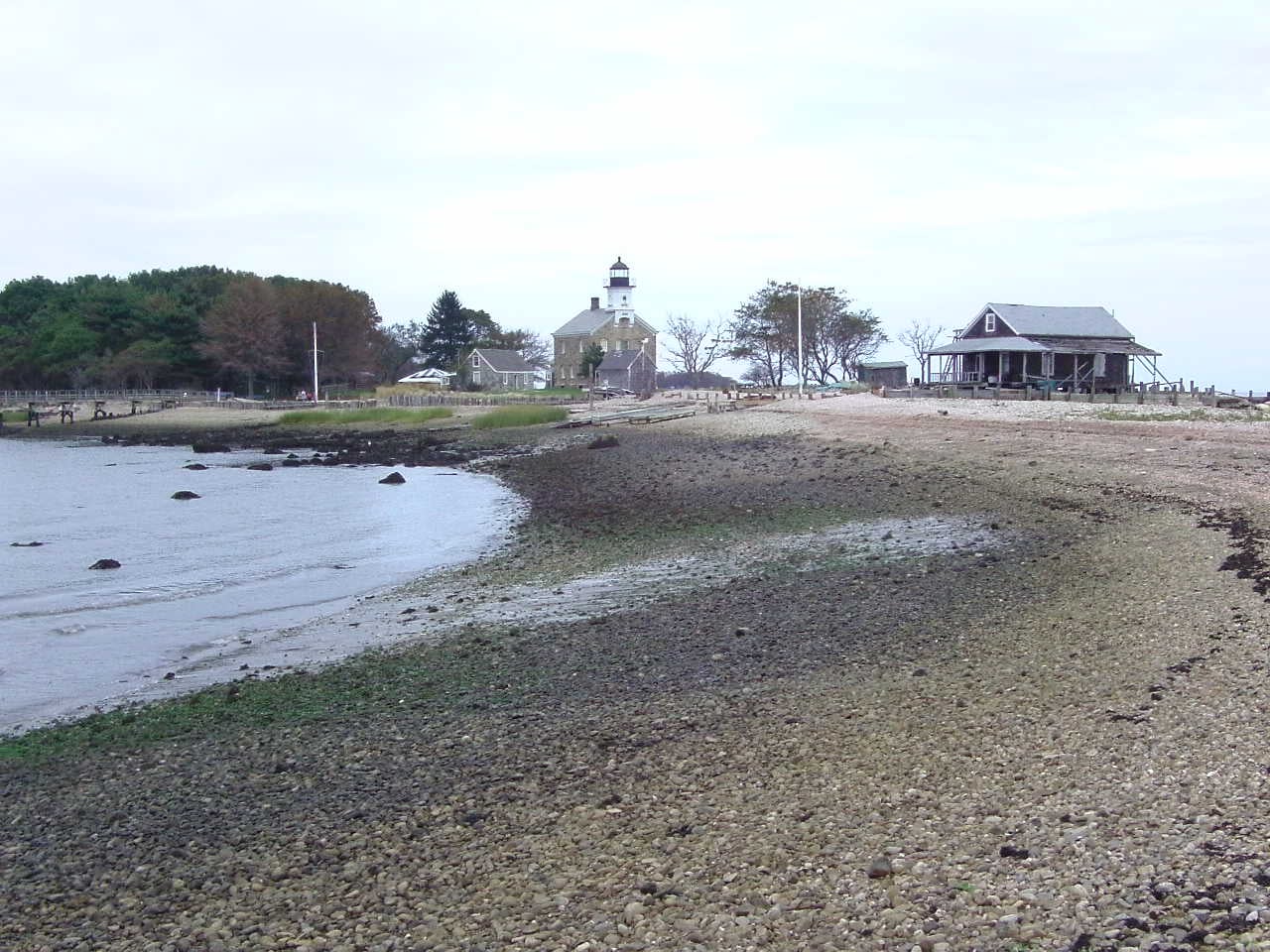
Admiralty Head Lighthouse was constructed in 1903 on the south end of Whidbey Island, at the site of Fort Casey — one of three fortifications built to defend Puget Sound under the "Triangle of Fire" coastal defense plan of the late nineteenth century. The lighthouse marked the eastern approach to Admiralty Inlet, the narrow passage connecting the Strait of Juan de Fuca to Puget Sound, through which all deep-draft vessel traffic bound for Seattle and Tacoma had to pass.
The structure built in 1903 was actually a replacement for an earlier 1861 lighthouse on the same site, which had been demolished to make way for Fort Casey's artillery emplacements. The 1903 building is notable for its architectural quality — a Spanish Colonial Revival design with a white stucco exterior unusual among Pacific Northwest lighthouses of the era.
The lighthouse's active life was short. In 1922, only nineteen years after completion, the light was deactivated and the Fresnel lens removed and transferred to New Dungeness Lighthouse, still active today on the Dungeness Spit. The decision was driven by changed navigational priorities and the increasing use of the fort for military purposes. The building served various military uses within Fort Casey for decades after deactivation.
Washington State Parks acquired Fort Casey in 1956 and has managed Admiralty Head Lighthouse as a historic site since then. The lighthouse was restored and reopened as a seasonal museum with interpretive exhibits; a major renovation completed in 2024 added new exhibits on the lighthouse's history and the navigational role of Admiralty Inlet. Washington State Parks reports over 50,000 annual visitors to Fort Casey State Park, which also includes intact artillery batteries, underground magazines, and a gun emplacement museum.
Sources
- https://en.wikipedia.org/wiki/Admiralty_Head_Light
- https://parks.wa.gov/news/2024/admiralty-head-lighthouse-opens-mid-april-new-exhibits
- https://parks.wa.gov/find-parks/state-parks/fort-casey-historical-state-park
Female apparition at lighthouse tower topFigure at upper railingDisembodied female voiceScratching soundsDisappearing figures in fort structures
Paranormal accounts associated with Admiralty Head Lighthouse center on a female apparition reported at the upper levels of the tower. Multiple accounts, documented in local ghost-story collections, describe seeing a woman's figure at the top of the lighthouse or leaning over the upper external railing. No historical figure has been identified as the source of these reports; the lighthouse's brief staffed history and the absence of documented deaths at the station leave the identity of the supposed figure unresolved.
Separate reports from Fort Casey's concrete fortification structures — bunkers, battery emplacements, and underground passages — describe a disembodied female voice screaming, scratching sounds within walls or passages, and figures that appear and vanish. These accounts are distinct from the lighthouse tower reports and may reflect the fort's use across multiple eras, including its period as an army training base and later as a state park property.
The lighthouse tower reports and the fort reports are sometimes conflated in local ghost-story accounts, but they involve different locations within the large state park complex. Washington State Parks' interpretation of the site focuses on the military and maritime history; the paranormal reputation circulates primarily through regional ghost tourism sources.
The lack of an identified historical figure and the relatively thin sourcing — primarily a single Whidbey Island real estate and lifestyle publication — means the Fort Casey paranormal tradition is less documented than lighthouse haunting accounts at sites with named keepers and historical records.
Where this legend is told