Est. 1895 · Barre Granite Industry · Silicosis and Industrial Disease · Immigrant Stonecutter Craft · Memorial Sculpture
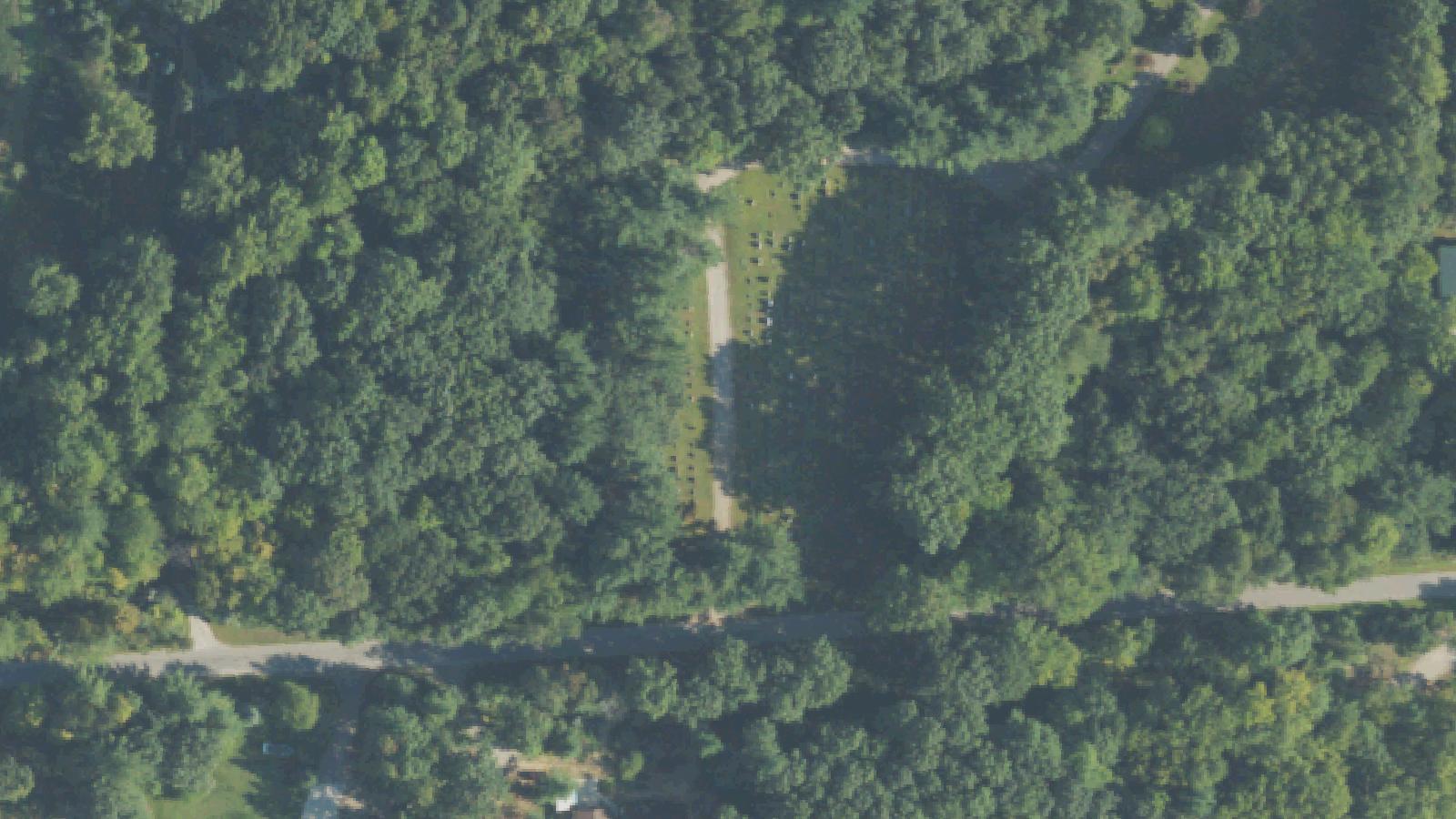
Hope Cemetery opened in 1895 on Maple Avenue in Barre, Vermont, a city built on the granite trade. By the late 19th century Barre's quarries and sheds had drawn thousands of skilled carvers from Italy, Scotland, and elsewhere in Europe, and the cemetery became both a burial ground and a showcase for their work.
Nearly every one of the roughly 10,000 monuments is cut from Barre gray granite quarried a few miles away. Some are conventional headstones. Others are full sculptural compositions the carvers designed for themselves and their families. Among the most photographed are the Brusa bed, where a husband and wife are depicted reclining together under a granite coverlet, and a life-size granite soccer ball marking the grave of a young man who loved the game.
The craft came at a steep cost. Before ventilation and dust-suppression reforms, the fine silica dust thrown off by carving lodged in the workers' lungs and caused silicosis, known locally as granite cutter's consumption. Many of Barre's stonecutters died in their thirties and forties, and a number of them carved their own memorials before the disease took them. The concentration of these graves makes Hope Cemetery a direct record of an industrial occupation that killed the people who built it.
The cemetery covers about 65 acres and remains an active municipal burying ground. It is open to the public during daylight hours and is widely regarded as one of the finest open-air collections of memorial granite carving in the United States.
Sources
- https://en.wikipedia.org/wiki/Hope_Cemetery
- https://www.atlasobscura.com/places/hope-cemetery
Sense of being watchedPhantom whispersPhantom footstepsShadow figures
Hope Cemetery's reputation as an unsettling place after dark comes less from a single ghost story than from its setting: acres of life-size human figures carved in gray granite, many of them likenesses of the dead, standing in close ranks under the trees. Visitors report a persistent feeling of being watched as they walk the drives, especially as the light goes flat at dusk.
The more specific accounts describe faint whispering with no source, footsteps on the gravel behind walkers who turn to find no one, and dark shapes that seem to move between the taller monuments at the edge of vision. Some visitors connect these reports to the stonecutters themselves, many of whom died young of silicosis and carved their own memorials, suggesting a burying ground unusually full of people who shaped their own resting place.
The phenomena are anecdotal and are reported chiefly by visitors rather than documented by investigators. What is not in dispute is the source of the atmosphere: a working-class industrial cemetery where the craft on display is also a record of the disease that killed its makers.