Museum Visit
Self-Guided Tour of the Comandancia and Courtyard
Walk the ten period rooms, view the well in the rear courtyard, and explore the city-operated museum.
- Duration:
- 1 hr
HauntBound archive · catalog record
Reported phenomena, as catalogued
+ 1 further entry on record
Built in 1749 as the residence of the Presidio San Antonio de Bexar's commanding officer, this National Historic Landmark is said to be haunted by a young girl thrown down its 37-foot well.
105 Plaza de Armas, San Antonio, TX 78205
Research updated May 2026
Age
All Ages
Cost
$
Modest admission fee for adults; discounts for children, seniors, military.
Access
Limited Access
Historic interior with uneven floors, thresholds, and a stone courtyard; partial access only.
Equipment
Photos OK
Est. 1749 · Built 1749 as the Comandancia of the Presidio San Antonio de Bexar · Only surviving Spanish colonial aristocratic residence in Texas · Restored 1929-1931 by the City of San Antonio and Conservation Society · National Historic Landmark (1970)
The Spanish Governor's Palace was completed in 1749 on the west side of what is now Plaza de Armas. Despite its later name, the building was originally the Comandancia — the residence and working offices of the captain of the Presidio San Antonio de Bexar, the Spanish military garrison that protected the surrounding missions and the villa of San Fernando. The keystone above its front entrance is carved with the date 1749 and the coat of arms of Spanish King Ferdinand VI.
As Spanish, then Mexican, and then Texan civil authority passed through San Antonio, the building was used variously as a residence, a school, a tailor shop, a saloon, and a series of private dwellings, with major modifications and disrepair through the 19th and early 20th centuries.
In 1928 the city of San Antonio purchased the building at the urging of the San Antonio Conservation Society and undertook a major restoration completed in 1931. The restoration recovered the original ten-room floor plan, rebuilt the rear courtyard, and revealed an interior stone well. The National Geographic Society called it 'the most beautiful building in San Antonio.'
The Spanish Governor's Palace was designated a National Historic Landmark on April 15, 1970, and it remains a city-owned house museum. It is the only surviving aristocratic residence from the Spanish colonial period in Texas.
Sources
Ghost stories at the Spanish Governor's Palace are reported to date back more than a century. According to Ghost City Tours and local oral tradition, the most-told legend involves a young girl — variously described as a governess or domestic servant — who was killed by robbers and whose body was thrown into the deep stone well in the rear courtyard. The well is documented in the building's restoration history; visitors and staff report mysterious gurgling sounds rising from it and the apparition of a 'Lady in Grey' at the rear windows of the house.
In October 2019, the local CBS affiliate KSAT covered a paranormal investigation team's visit to the Palace and reported their experiences, including unexplained voices, equipment anomalies, and physical sensations attributed to interaction with what investigators interpreted as residual presences. The KSAT story, by a major local broadcaster, is unusual among San Antonio haunted-site claims for being primary news coverage rather than tour-operator marketing.
Additional reports include apparitions of Spanish soldiers in the rear courtyard, Native American figures seen briefly in the front rooms, and cold spots near the courtyard fountain. As with most colonial-era haunted sites, claims are experiential and folkloric; the sensitivity flag for indigenous content is observed, and accounts of Native American apparitions are framed as visitor reports rather than ethnographic claim.
Notable Entities
Media Appearances
Walk the ten period rooms, view the well in the rear courtyard, and explore the city-operated museum.
Some links on this page may earn HauntBound a small commission when you book, at no extra cost to you. Our editorial picks are independent. Full disclosure
This San Antonio tour includes Spanish Governor's Palace on its route.
Every HauntBound history is researched from documented sources. We clearly separate verified historical fact from paranormal folklore.
Free Guide
10 verified stops, rated for families, mapped in order. Free.
One email to confirm, then the guide link. Unsubscribe anytime.
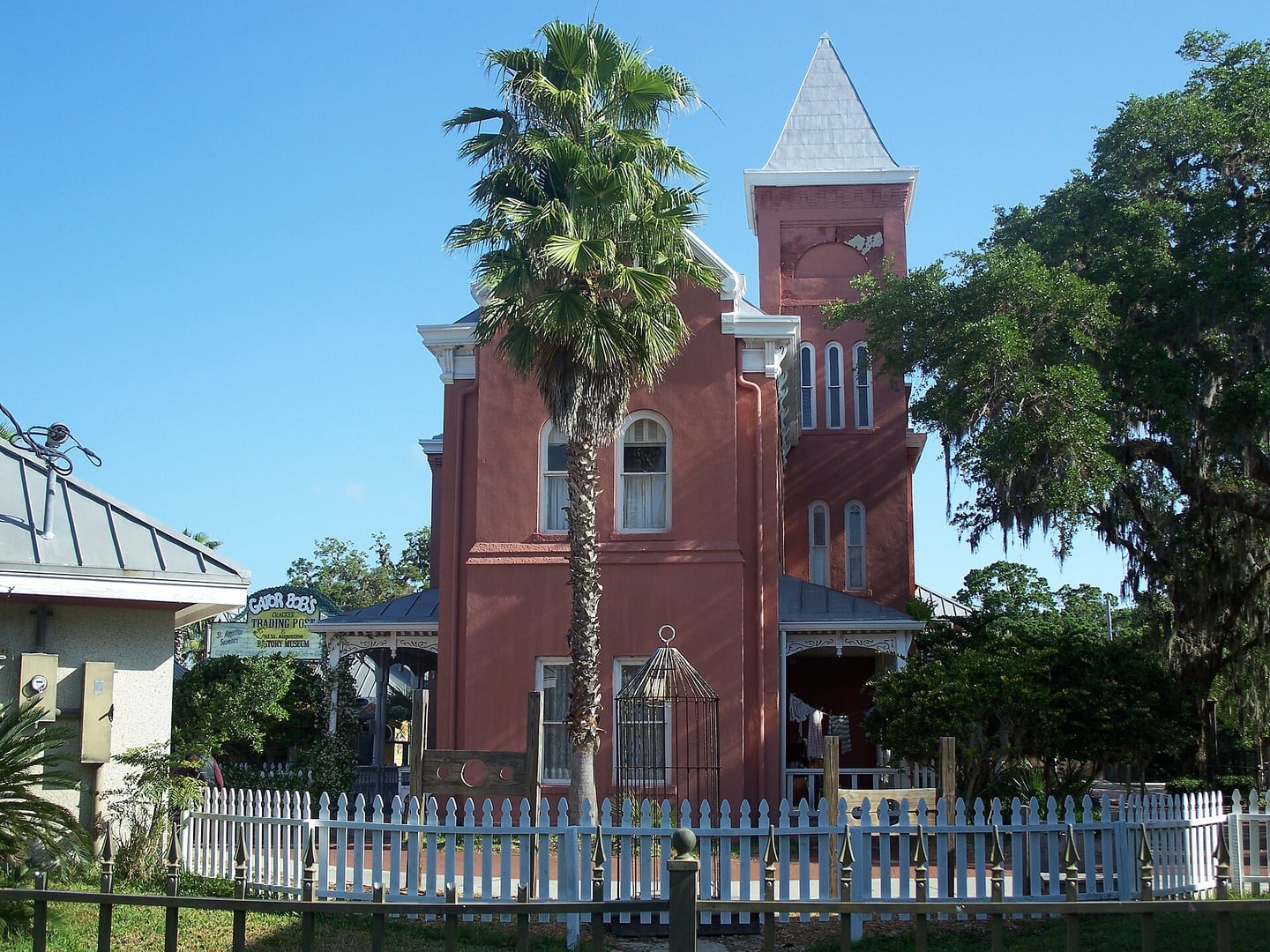
St. Augustine, FL
The Old St. Johns County Jail at 167 San Marco Avenue in St. Augustine, Florida was commissioned by railroad magnate Henry Flagler and constructed in 1891. Designed by the same architectural firm later used for Alcatraz, the facility housed prisoners under conditions so severe — one bucket per cell as a toilet, minimal diet, and labor in Flagler's fields — that it was closed in 1953. Eight documented executions occurred on site before the county converted the building to a tourist attraction in 1954.
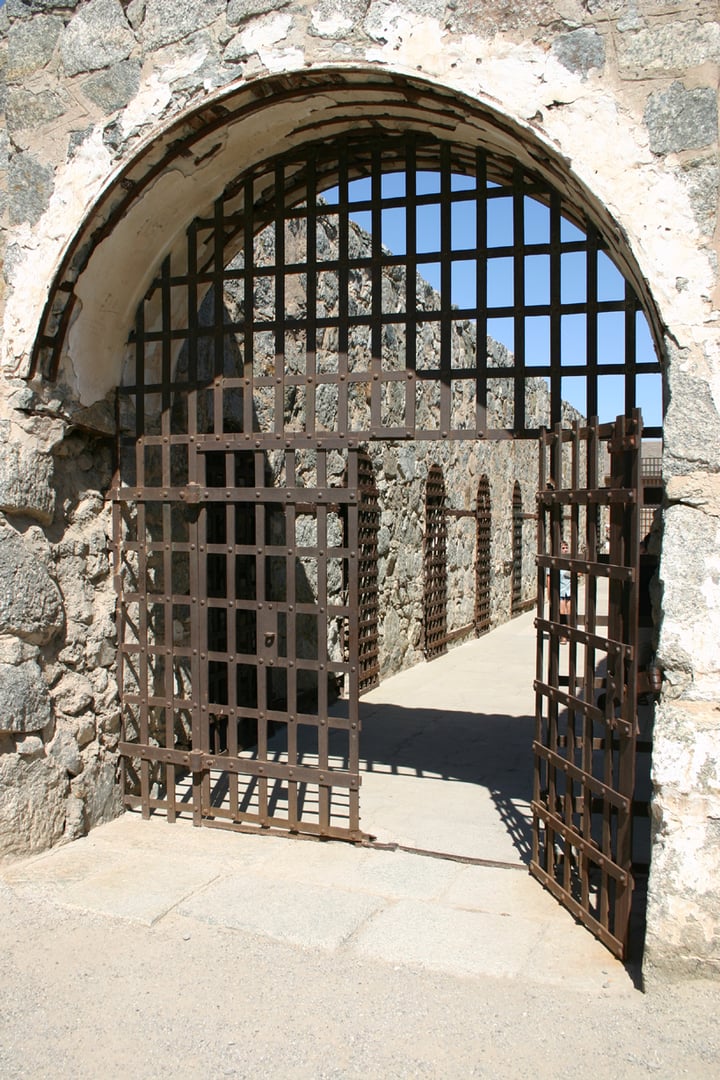
Yuma, AZ
Yuma Territorial Prison operated from 1876 to 1909 on a bluff overlooking the Colorado River in Yuma, Arizona. It held 3,069 prisoners during its 33-year operation, including 29 women. The facility became a state historic park and has been voted by USA Today readers as the Best Haunted Destination in the nation.
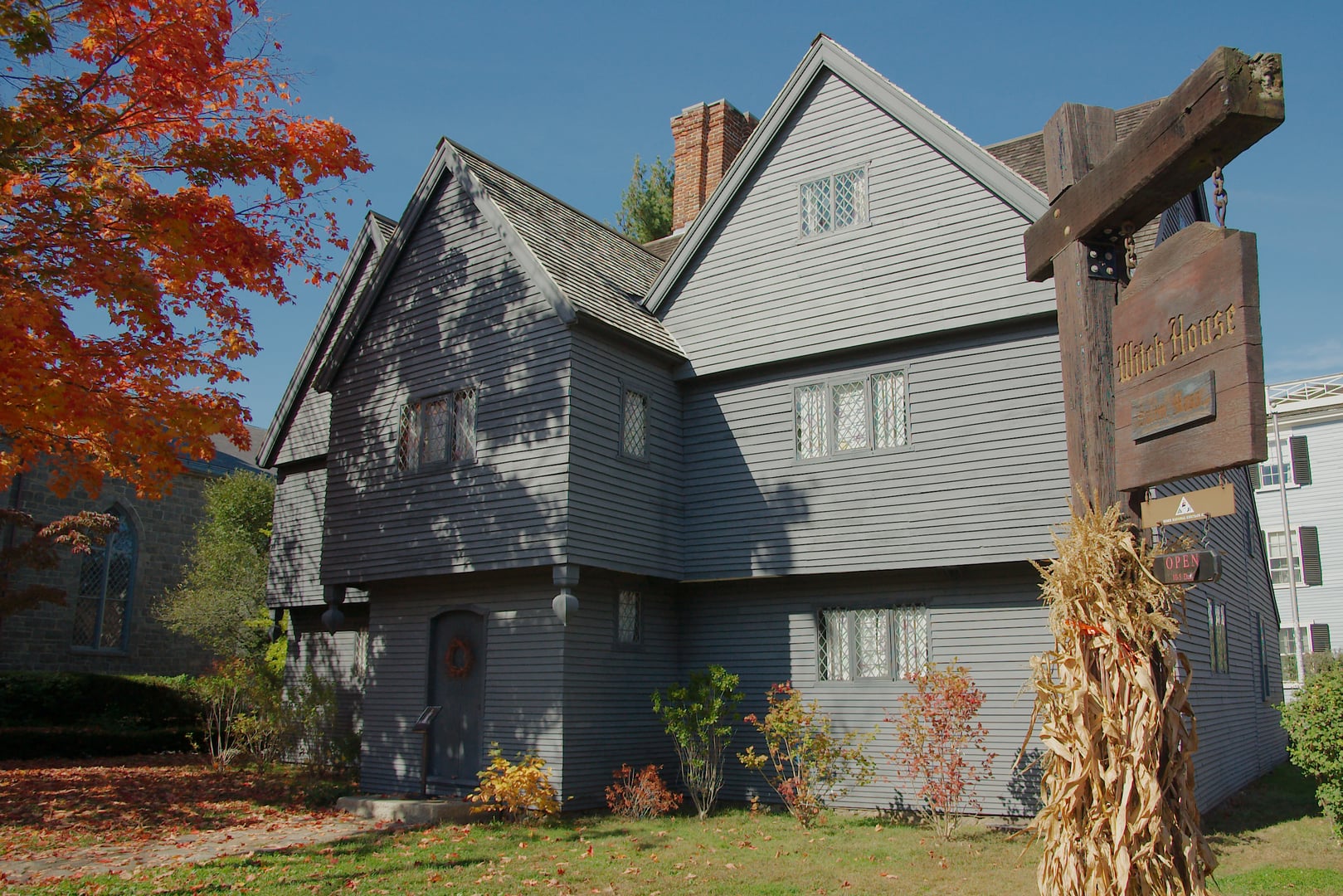
Salem, MA
The Jonathan Corwin House at 310 Essex Street is the only surviving structure in Salem with direct ties to the 1692 Salem witch trials. Built circa 1675 and purchased by Corwin that same year, the house served as the site of pretrial examinations for several of the accused. The property has operated as a museum since 1948 under City of Salem ownership.