Drive-By
Ghost-Town Drive-By
View the remaining cemetery and lone surviving structure from the public county road north of Andrews. The intermittent salt lake is visible to the south.
- Duration:
- 30 min
HauntBound archive · catalog record
Reported phenomena — as catalogued
A West Texas ghost town and 12-grave cemetery on an alkali playa north of Andrews, where a smallpox-era graveyard once stood on the shore and local lore describes a 'lady in white' and phantom riders.
CR 1900 (north shore of Shafter Lake), Andrews, TX 79714
Research updated June 2026
Age
All Ages
Cost
Free
Free to view from public roads; the surrounding land is private ranch property held by descendants of the town's first postmaster. Do not trespass.
Access
Limited Access
Remote dirt-road playa flats; rough, unpaved, often muddy or salt-crusted.
Equipment
Photos OK
Est. 1907 · Andrews County seat contender (lost to Andrews c. 1910) · Early-1900s West Texas land-boom ghost town · Named for U.S. Army officer William Rufus Shafter
Shafter Lake sits on the north shore of a shallow, intermittent alkali playa lake about ten miles north of Andrews in West Texas. Originally called Salt Lake, the town was platted in August 1907 after businessman J. F. Bustin helped promote a settlement on the site. It was renamed for William Rufus Shafter, the U.S. Army officer credited with surveying the region in 1875.
The community grew quickly during the early-twentieth-century West Texas land boom, reaching a population of roughly 500 by 1910. At its peak it supported a bank, three churches, a school, two hotels, a general store, and a blacksmith, and its newspaper editor promoted the town widely across the Midwest.
A bitter rivalry developed with nearby Andrews over which community would become the seat of Andrews County. After a contested election around 1910, Shafter Lake lost by a narrow margin. The loss, combined with hard times, drove residents away; by 1912 the town was largely deserted, with most former residents relocating to Andrews.
A community cemetery had been established on the south side of the lake during the town's brief life; its oldest legible markers date to 1909. When the town emptied, many remains were disinterred and reburied elsewhere, mostly in Andrews. By 1980 only a dilapidated cemetery of about a dozen graves and a single surviving building remained. The surrounding land is now a working ranch maintained by descendants of the town's first postmaster.
Sources
Shafter Lake's haunted reputation is rooted in its ghost-town history and the relocation of its early graves. According to regional folklore collected by Texas ghost-tourism sites, a 'lady in white' was said to walk the original lakeside cemetery, and some storytellers link her presence to the eventual decision to disinter and rebury the dead elsewhere (River City Ghosts; Texas Escapes).
A second strand of lore describes a phantom troop of mounted soldiers seen galloping across the salt flats on full-moon nights in the fall. Anonymous accounts collected by the Shadowlands index tie the riders to cavalry that once patrolled the region, though this association is uncorroborated and conflates several separate stories; the historical William Shafter was a U.S. Army officer, not the Confederate commander some retellings imagine.
The lake itself adds to the eerie atmosphere: it is a shallow, salty playa that fills and dries unpredictably, leaving a glittering salt crust that can throw odd reflections under moonlight. As with many West Texas ghost towns, the documented history of sudden boom, county-seat defeat, epidemic-era burials, and abandonment provides the emotional backbone for the supernatural tales that attached to the site.
Notable Entities
View the remaining cemetery and lone surviving structure from the public county road north of Andrews. The intermittent salt lake is visible to the south.
Some links on this page may earn HauntBound a small commission when you book, at no extra cost to you. Our editorial picks are independent. Full disclosure
Every HauntBound history is researched from documented sources. We clearly separate verified historical fact from paranormal folklore.
Free Guide
10 verified stops, rated for families, mapped in order. Free.
One email to confirm, then the guide link. Unsubscribe anytime.
 Aerial survey · USDA NAIP
Anson, TX
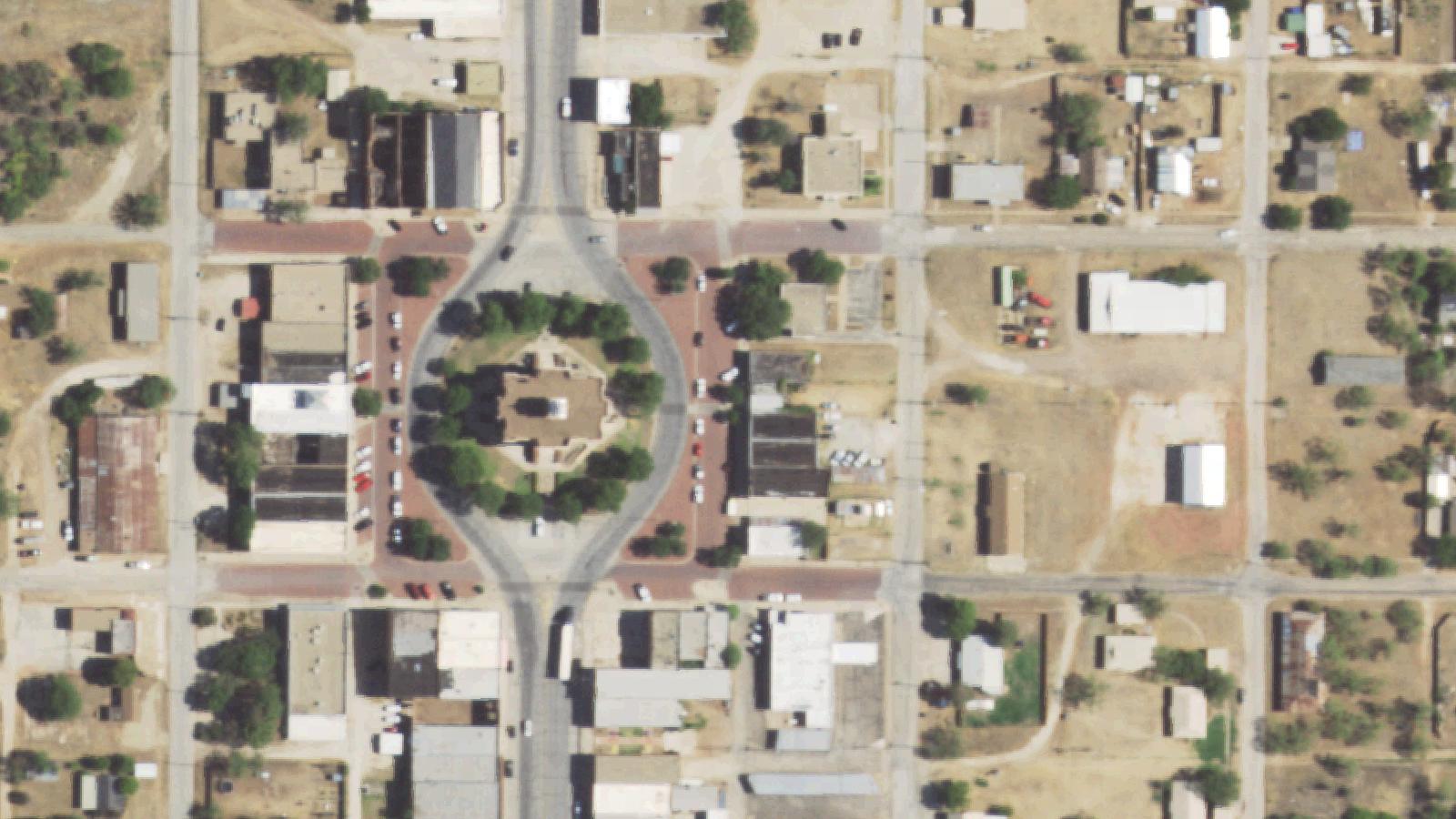
The Anson Lights are a long-documented 'ghost light' phenomenon on a dirt road beside Mount Hope Cemetery just outside Anson, the seat of Jones County in West Texas. The light has drawn carloads of visitors for decades and was featured on the TV series Unsolved Mysteries.
 Aerial survey · USDA NAIP
Athens, TX
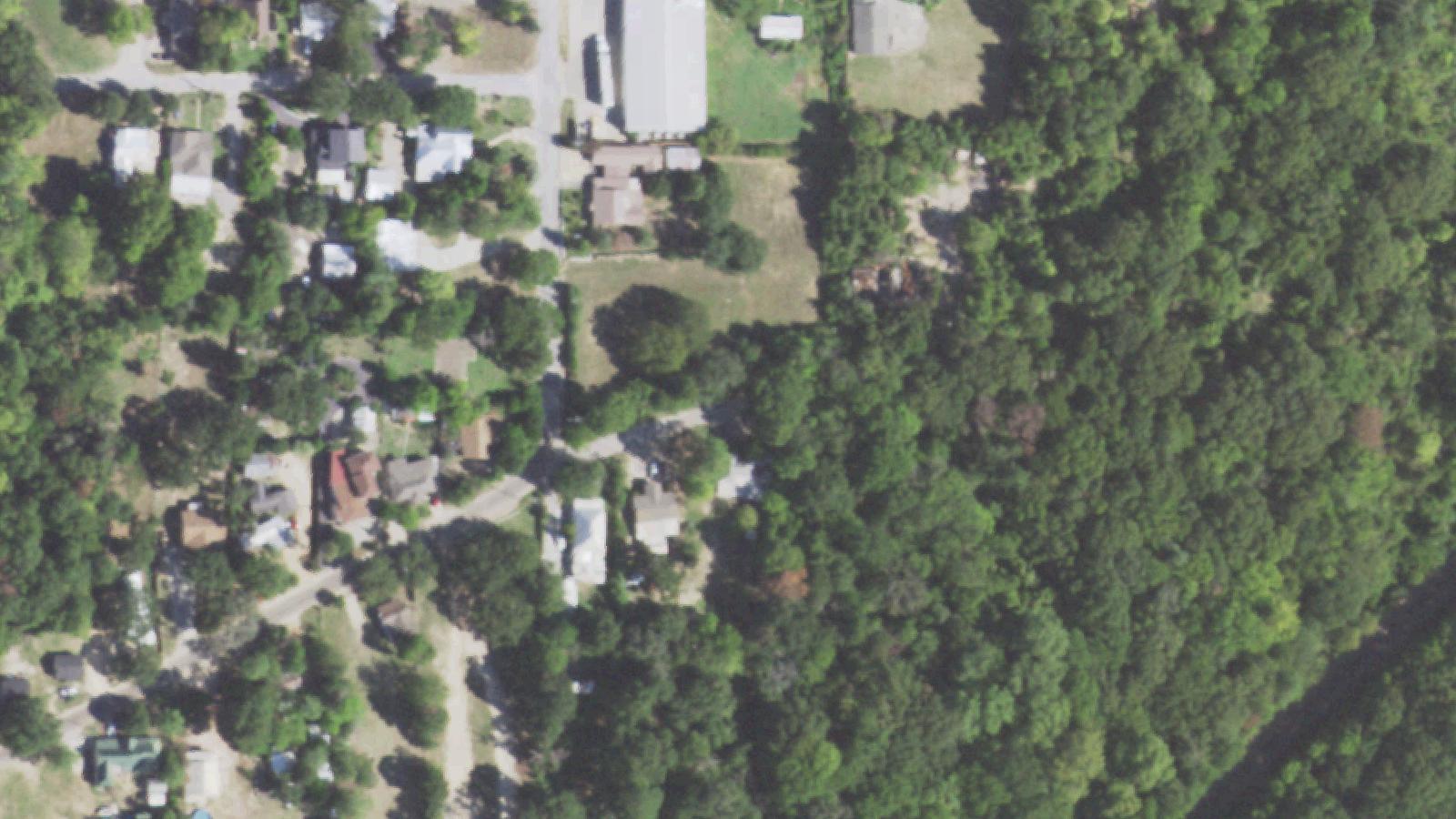
The Monkey Bridge legend in Athens, Texas centers on a circus that traveled through the early town. In the most plausible version of the story, a circus wagon overturned near the bridge and some monkeys escaped into the surrounding woods. The full elaboration — including a man named Reverend Fuller who allegedly collected the monkeys for dark purposes and underground pentagram tunnels — has been thoroughly debunked by local researchers and geologists.
 Aerial survey · USDA NAIP
Port Neches, TX
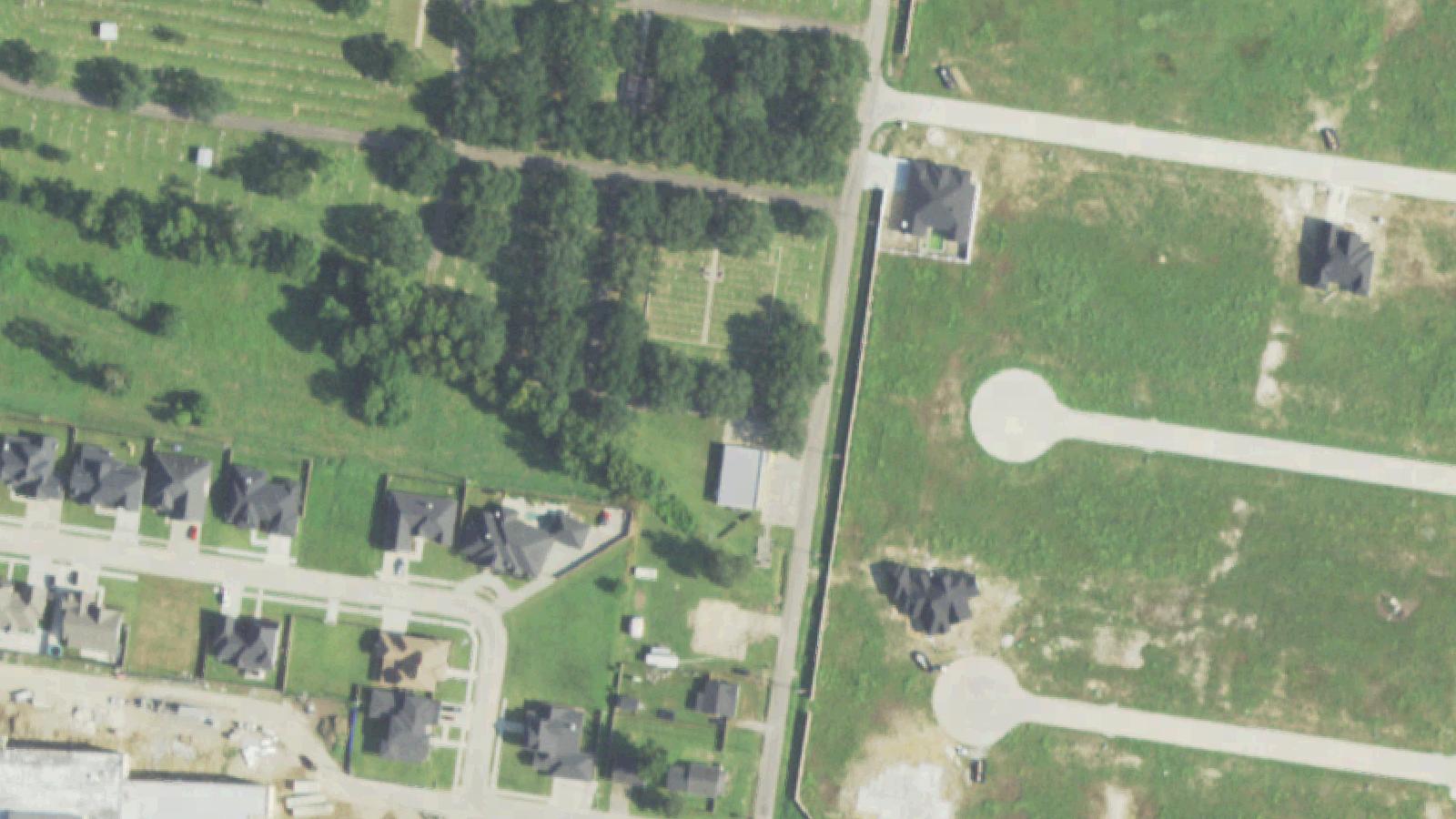
Sarah Jane Road is a low marsh road in Port Neches, in Jefferson County's industrial Golden Triangle. It is the setting of one of Southeast Texas's most retold ghost legends, but the name actually honors Sarah Jane Sweeney Block, a real local woman who lived to age 99.