Est. 1836 · Site of at least 11 public hangings during the Republic of Texas era (1836–1845) · Located near original Harris County jail at 315 Capitol St · Downtown Houston haunted tour stop
The Republic of Texas existed from 1836, when Texas declared independence from Mexico, through 1846, when Texas was annexed into the United States. During the Republic years, Houston served briefly as the capital — Sam Houston, the republic's first president, governed from the city — before the capital moved to Austin in 1839.
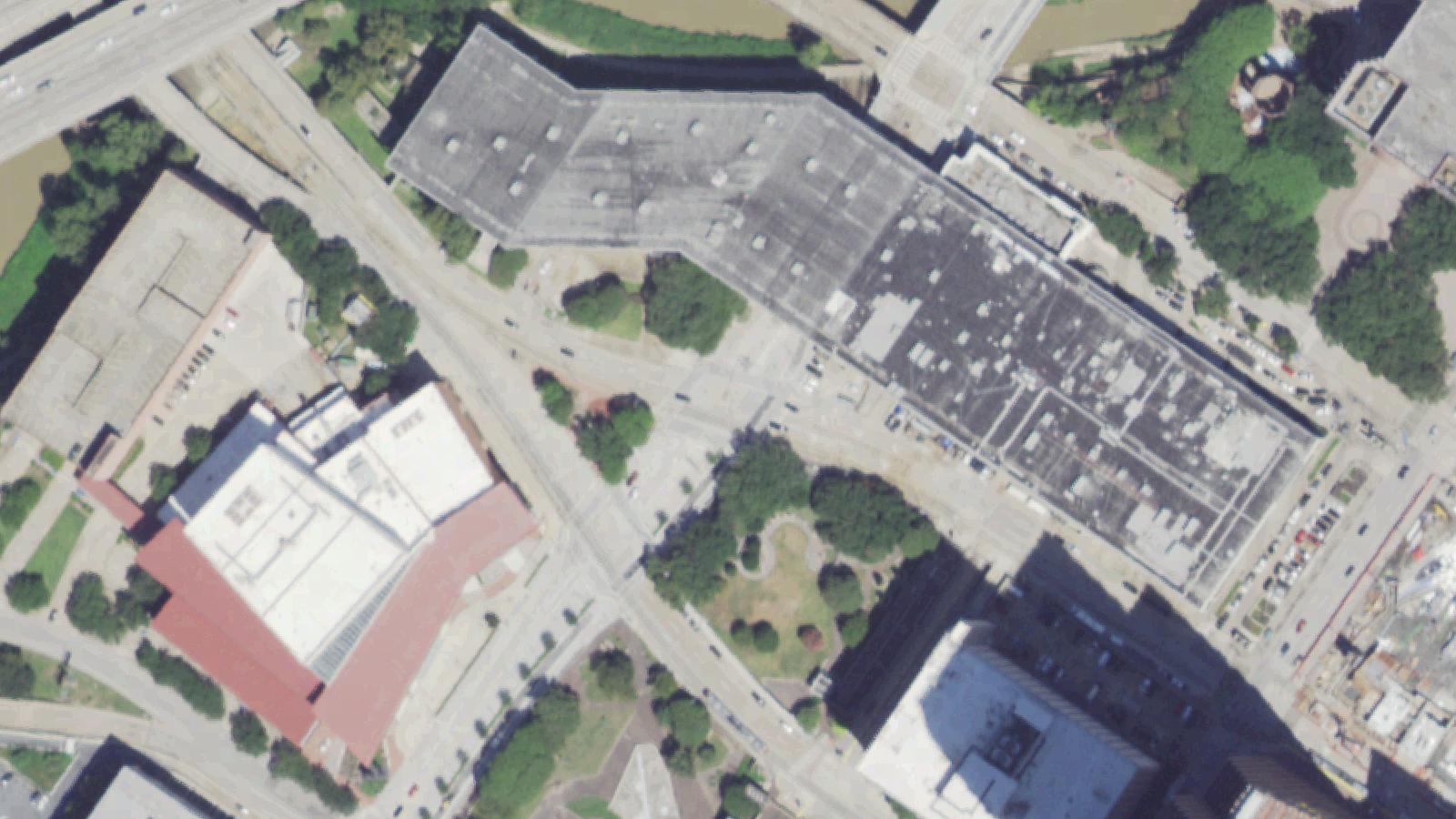
Criminal justice in the Republic period operated with limited formal infrastructure. The Harris County jail at 315 Capitol was one of the earliest detention facilities in the city, and public hangings were conducted nearby as the primary form of capital punishment. The Houston Press documented the hanging oak in a 2012 article on the history of public executions in Houston, describing the tree as the site of at least eleven documented hangings during the Republic of Texas era.
The Houstorian blog — a Houston preservation and urban history site — connected the Capitol Street jail and the hanging oak in its coverage of downtown Houston's dark history, noting the tree's position relative to the old jail site at 315 Capitol. Houston Historical Tours includes the oak as a stop on its downtown haunted walking tour.
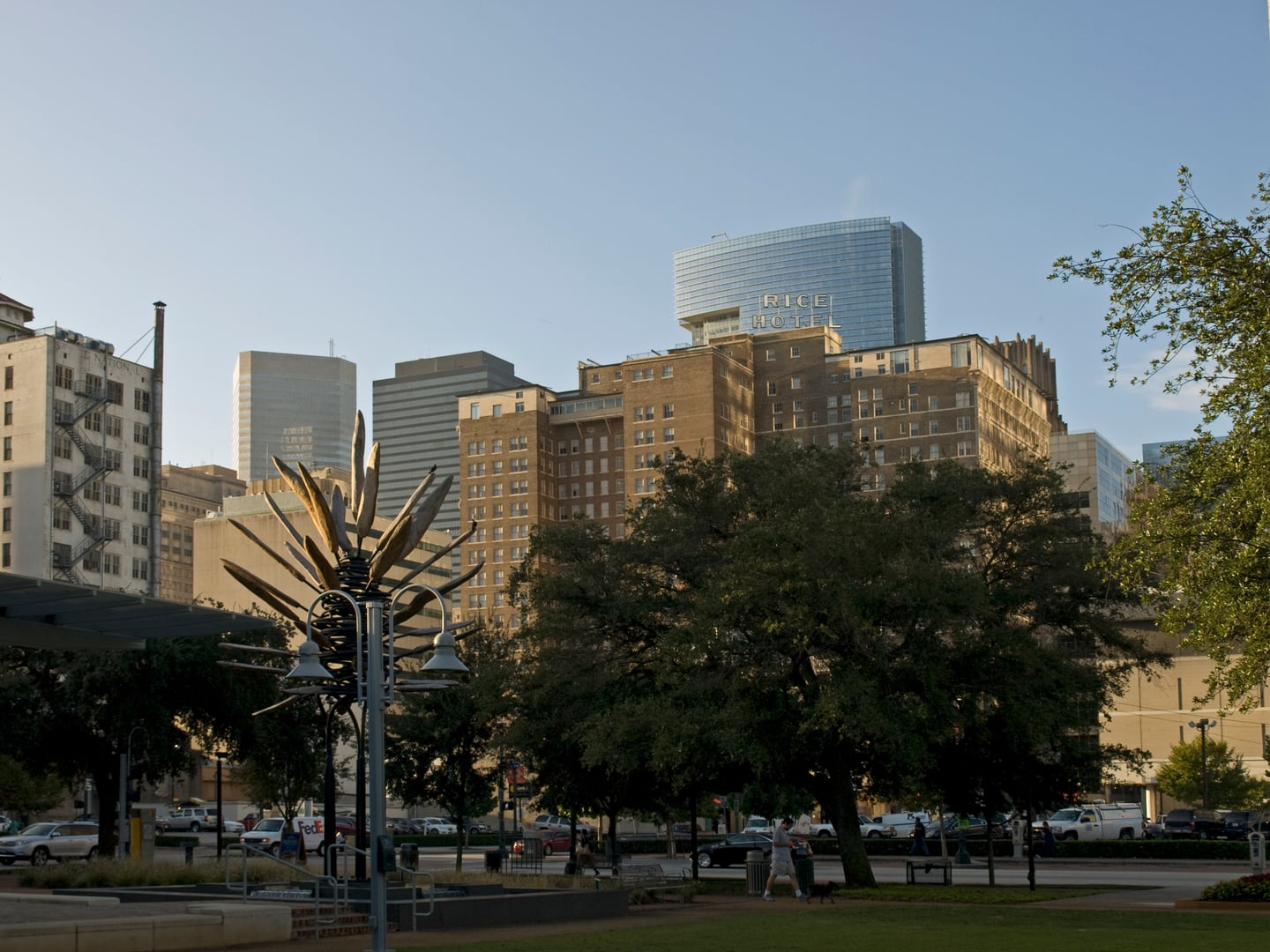
The tree remains standing. Its exact age is not documented in available sources, but live oaks in the Houston area can survive for several centuries under favorable conditions, and the Capitol-Bagby corner is close enough to the 315 Capitol jail address to be consistent with the historical accounts.
Sources
- https://www.houstonpress.com/news/the-hanging-oaks-of-houston-6711178/
- https://houstorian.org/news/2021/ghosts-of-market-square
- https://www.houstonhistoricaltours.com/haunted.html
- https://www.atlasobscura.com/places/old-hanging-oak
Heavy sensation and feeling of being watched near the oakUnexplained sounds at the corner in evening hours
The hanging oak's paranormal reputation is an extension of its documented historical function. A tree under which at least eleven men were publicly executed in the first decade of the city's existence carries an obvious weight in the local imagination, and Houston's ghost-tour operators have incorporated it into their routes accordingly.
Houston Historical Tours describes the corner as one of the more reliably 'active' stops on its haunted walking tour, with accounts of a heavy, watched feeling and unexplained sounds near the tree in the evening hours. These reports are not attributed to any specific named individual among the executed but rather to an accumulated presence from the site's execution history.
The Houstorian blog's coverage of downtown dark history frames the corner as significant primarily for its documented record — the junction between the 315 Capitol jail site and the Capitol-Bagby corner creates a zone where one of Houston's earliest and most concentrated uses of state violence took place. The ghost accounts, such as they are, have more purchase because the history underneath them is verifiable.
Houston Press documented the city's hanging oaks in a standalone feature, placing the Capitol-Bagby tree in the context of other documented execution sites in Houston's history.
Where this legend is told