Rural Texas Cemetery · Navarro County
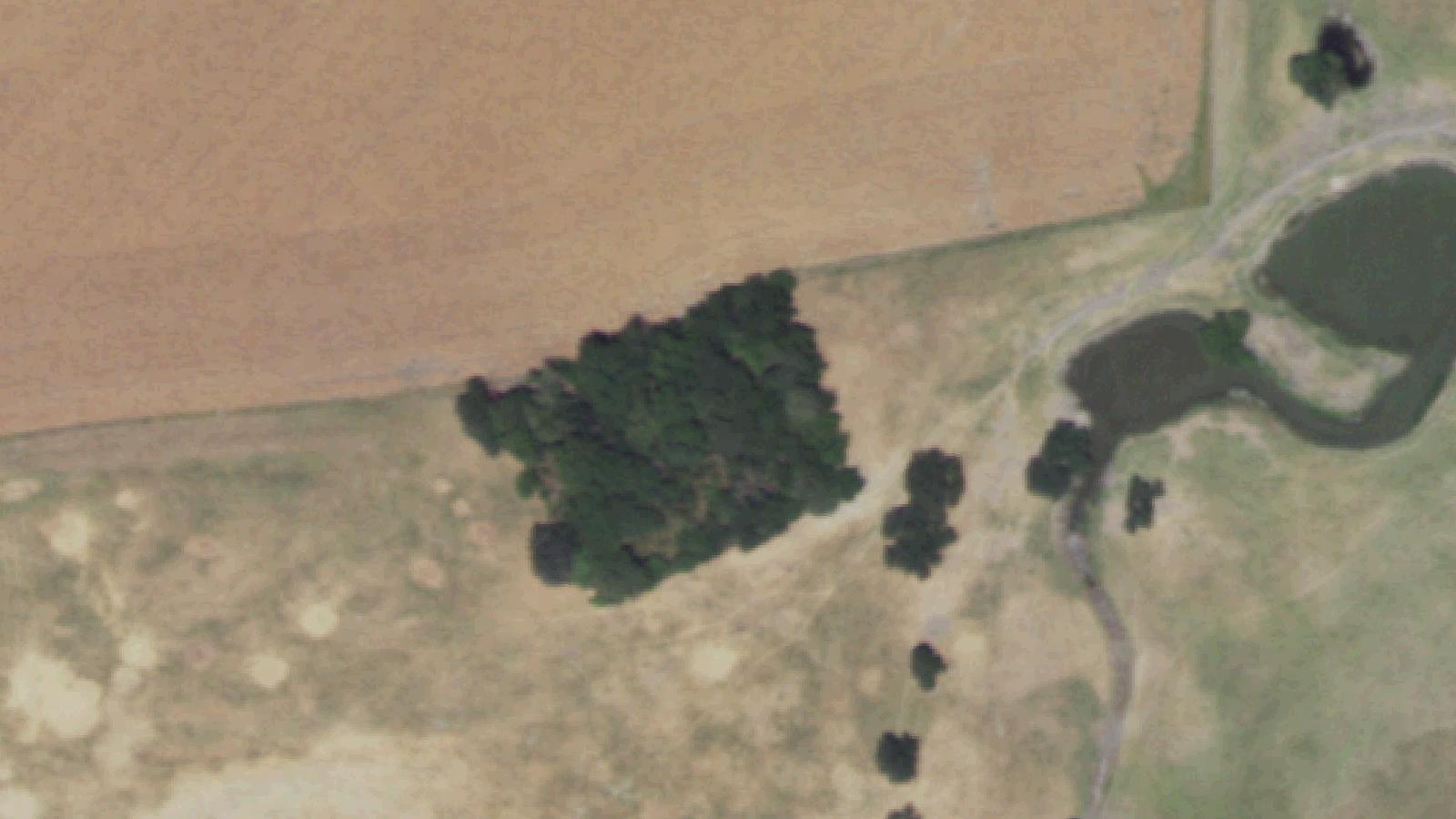
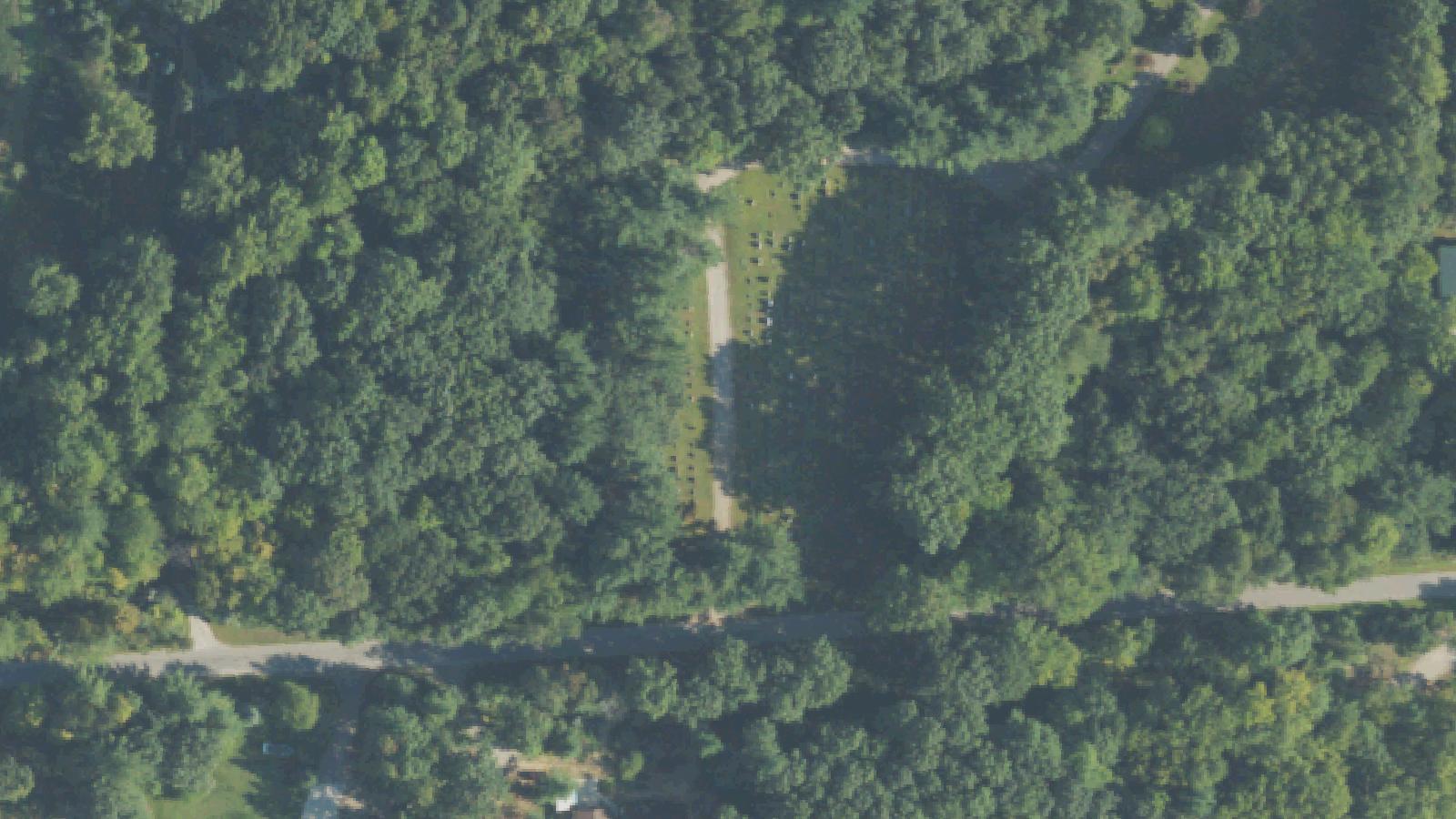
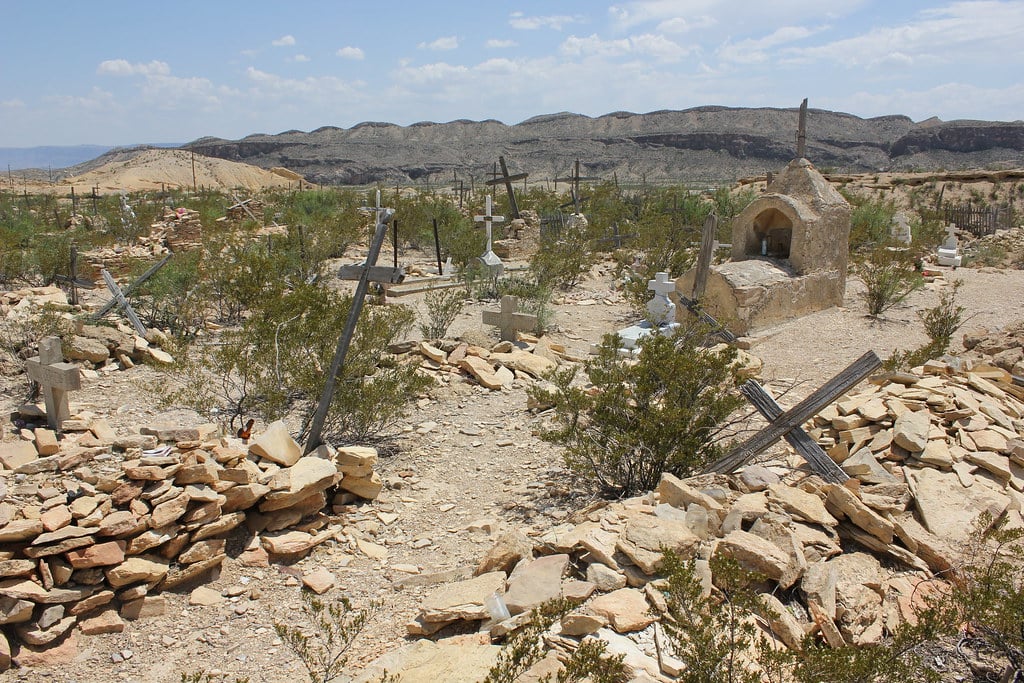
Lone Oak Cemetery occupies a plot of rural Navarro County land south of Blooming Grove, Texas, a small agricultural community incorporated in 1854. The cemetery sits approximately two miles down an unpaved road, set apart from the town's main burial grounds. Rural Texas cemeteries of this type were often established by family groups or small community associations in the 19th and early 20th centuries, sited on donated acreage near the people who would use them.
No construction date, founding history, or notable burial records for Lone Oak Cemetery were located in the Texas Historical Commission's online records or regional genealogical databases during research for this entry. Find A Grave lists the cemetery without an established date or founding organization.
Blooming Grove itself was settled in the mid-1800s as an agricultural community in the Blackland Prairie region of North Texas. The area's rural character has been largely preserved, with small farms and unpaved county roads still the dominant landscape feature south of town.
Sources
- https://www.findagrave.com/cemetery/4914/lone-oak-cemetery
- https://txnavarr.genealogyvillage.com/cemetery/lone_oak/index.htm
- https://texashistoricalmarkers.weebly.com/lone-oak-cemetery1.html
- https://billiongraves.com/cemetery/Lone-Oak-Cemetery/102989
Phantom soundsPhantom voices
The Shadowlands submission for Lone Oak Cemetery is brief: down the old dirt road, about two miles out, there are strange noises. Late at night, visitors hear whispering. The barbed wire near the cemetery flicks.
Aggregator sources have expanded on this with additional accounts — disembodied voices near headstones, an unseen presence walking directly behind visitors, and at least one account of a woman claiming to have made an audio recording she interpreted as a spirit communicating with her.
These accounts exist primarily on paranormal aggregator sites rather than in local news archives or corroborated investigative reports. The cemetery's rural isolation and the acoustics of night on the open Blackland Prairie — wind through fence wire, insect and animal sounds unfamiliar to urban visitors — provide a natural context for auditory misattribution.
The barbed wire detail from the earliest circulated account is specific enough to be worth noting: the sound of fence wire moving is distinctive, and the claim that it flicks near the cemetery boundary rather than throughout the surrounding pasture gives the report a degree of locational precision that generic accounts lack.