Est. 1885 · Fourth Gillespie County Jail · Operated 1885–1939 · Recorded Texas Historic Landmark · Part of Pioneer Museum historic complex
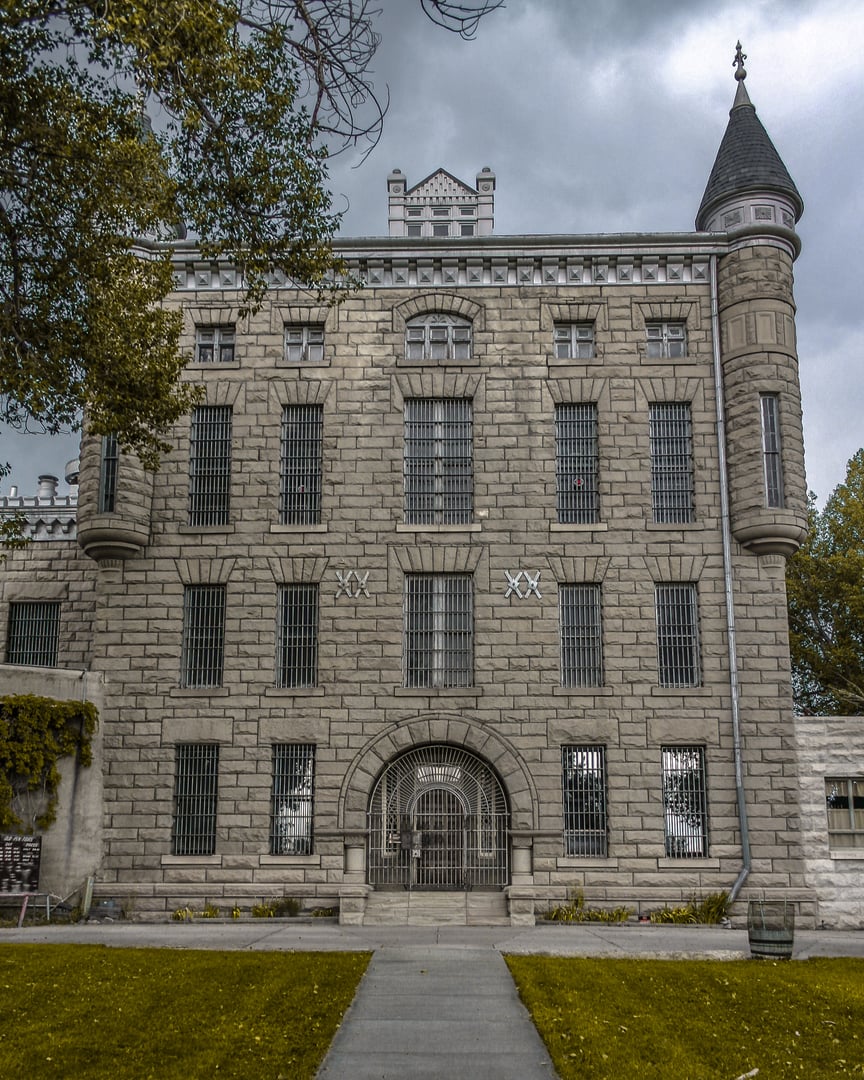
The Gillespie County Jail of 1885 was the fourth county lockup to serve Fredericksburg, the county seat of Gillespie County — organized in 1848 by German immigrant settlers. The third jail burned in 1885, and its replacement was constructed the same year at 117 W San Antonio Street, directly behind the courthouse.
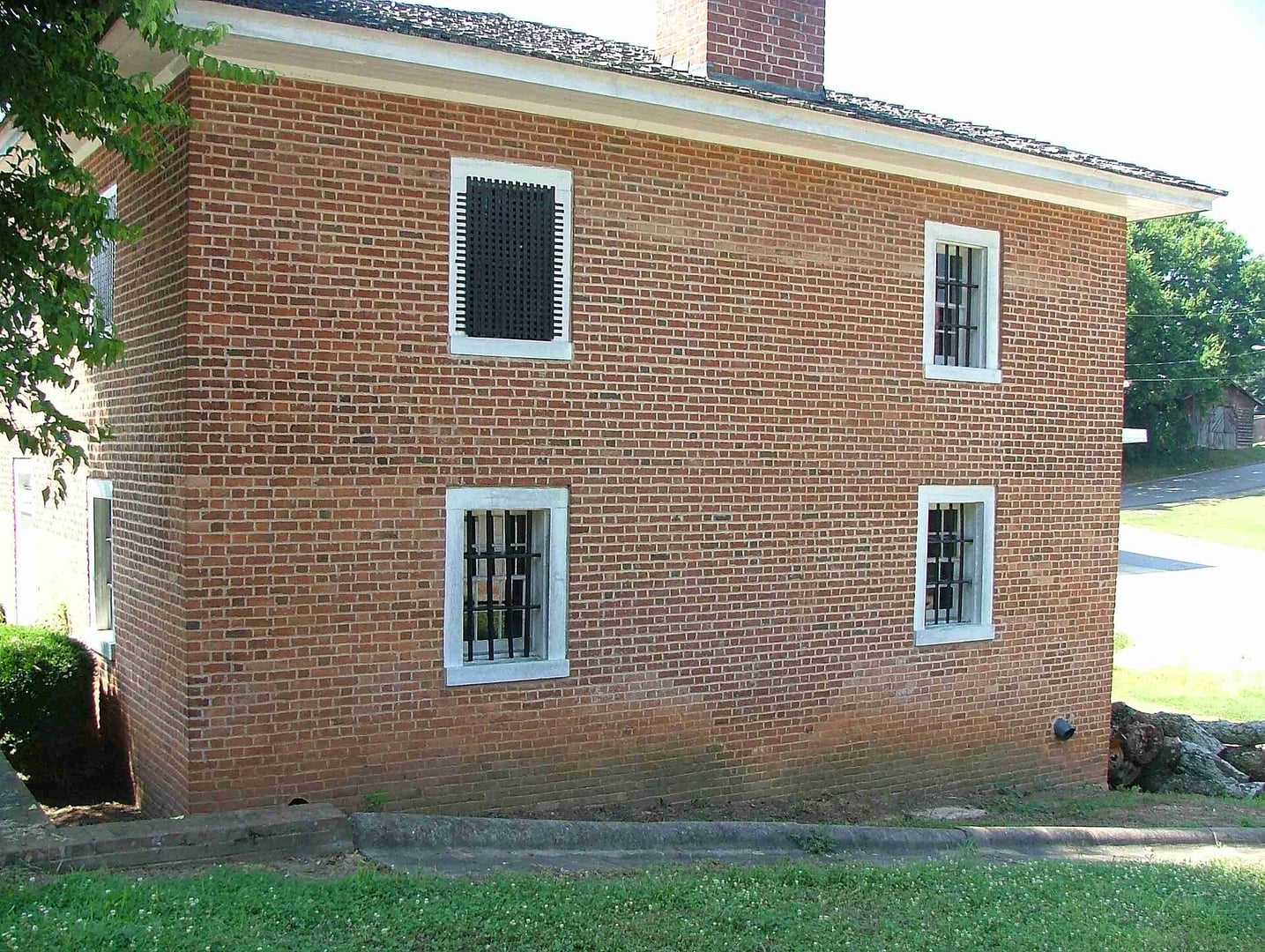
The two-story limestone structure measures 25 feet wide, 35 feet deep, and stands 20 to 22 feet high. The ground floor contained four rooms — one holding cell and living quarters for the jailer and family. The second floor housed the primary cell block: two steel-clad cells, a maximum-security cell at the rear, and heavy solid steel plate doors at the entrance. The surrounding perimeter wall was originally topped with embedded broken glass to prevent escapes.
The jail held what contemporaneous accounts described as 'some of the worst criminals in Texas' and operated until August 10, 1939, when the county transferred its last inmate to a new facility. The building then came under the stewardship of Gillespie County and the Gillespie County Historical Society.
Today the jail is part of the Pioneer Museum, which encompasses ten historic structures on the site. Regular public access is provided on the first Saturday of each month. The structure is a Recorded Texas Historic Landmark.
Sources
- https://www.pioneermuseum.org/historic-jail
- https://www.hmdb.org/m.asp?m=94291
Spectral footsteps on stairs and second-floor cell blockShadowy figure photographed in locked cell area (September 2021)General unease in maximum-security rear cell
The Gillespie County Jail's paranormal lore is modest by scale but specific in detail. The Haunted Fredericksburg operation, which has run after-dark tours of the jail since at least 2021, documented a photograph taken during a September 2021 tour that the tour operators describe as showing a shadowy figure moving behind a table inside the locked second-floor area — one of the most cited pieces of claimed photographic evidence from the site.
Visitors on the ghost walk component spend approximately 30 minutes in the darkened cell block, and reports of spectral footsteps on the wooden stairs and in the steel-clad cells are consistent across multiple participant accounts. The maximum-security rear cell, designed to hold the most dangerous prisoners during the jail's 1885–1939 operational period, draws the most attention from investigators.
The structure's combination of isolation — steel doors, a glass-topped perimeter wall, and two stories of confined cells — and its documented history of holding violent offenders makes it a well-suited subject for paranormal interest, even without elaborate legend. The jail is included in the Haunted Fredericksburg Ghost Walk as one of the primary stops.
Where this legend is told